Male Fertility Decline in 2026: Causes, Lifestyle Risks, and Prevention
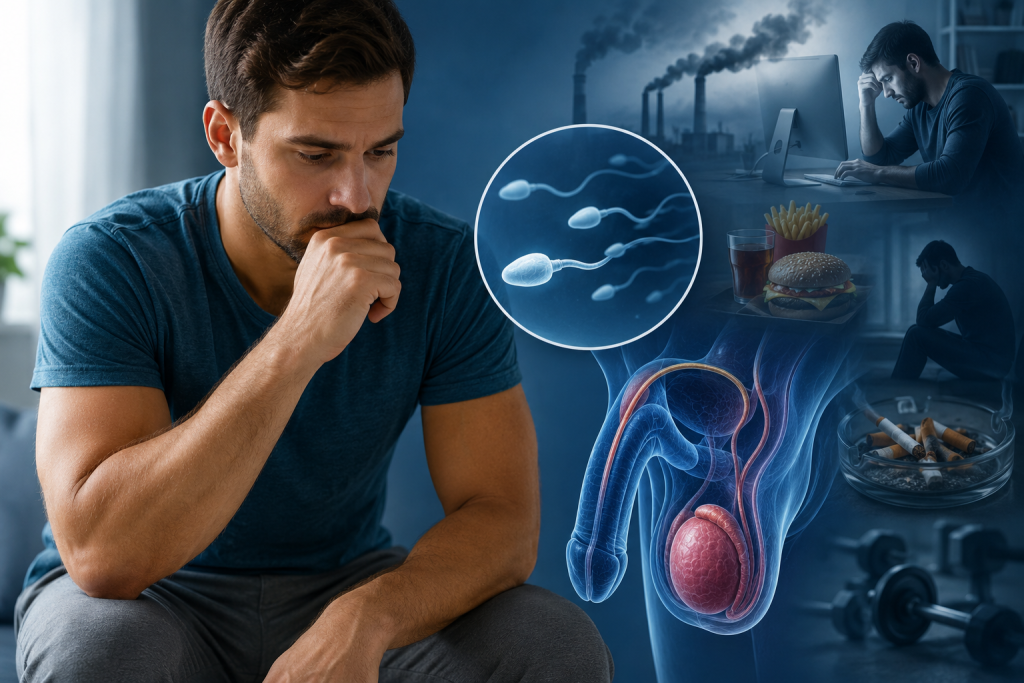
Male fertility decline in 2026 has become an increasingly important global health concern. Studies over the past few decades have shown a steady decline in sperm count, sperm quality, and overall male reproductive health. While fertility challenges were once mainly associated with women, experts now recognize that male factors contribute to a large percentage of infertility cases worldwide. Modern lifestyle habits, environmental exposure, stress, and health conditions are all playing a role in declining male fertility.
Understanding the causes, lifestyle risks, and prevention strategies can help men protect their reproductive health and improve their chances of fatherhood.
Understanding Male Fertility
Male fertility depends on the production of healthy sperm that can successfully fertilize an egg. Fertility is influenced by:
- Sperm count
- Sperm motility (movement)
- Sperm shape and quality
- Hormone levels
- Overall physical health
When any of these factors are affected, fertility may decline.
Why Male Fertility Decline Is Rising in 2026
Health experts are increasingly concerned about the rising number of men experiencing fertility problems. Learn more
Several trends contributing to male fertility decline in 2026 include:
- Sedentary lifestyles
- Increased stress levels
- Poor diet habits
- Environmental toxins
- Obesity
- Hormonal disruption
- Excessive screen time
- Sleep deprivation
Modern lifestyles are placing new pressure on male reproductive health.
Common Causes of Male Fertility Decline
Several medical and lifestyle-related factors can reduce fertility.
1. Low Testosterone Levels
Testosterone is essential for sperm production and reproductive function.
Low testosterone may lead to:
- Reduced sperm production
- Low sex drive
- Erectile dysfunction
- Fatigue
- Reduced muscle mass
Hormonal imbalance has become increasingly common in younger men.
2. Poor Diet and Nutrition
Nutrition strongly affects reproductive health.
Diet-related fertility risks:
- Processed foods
- Excess sugar
- Trans fats
- Nutrient deficiencies
- Low antioxidant intake
Healthy sperm production depends on vitamins, minerals, and balanced nutrition.
3. Obesity and Weight Gain
Excess body fat can affect hormone balance and fertility.
Obesity may:
- Lower testosterone
- Increase estrogen levels
- Reduce sperm quality
- Increase inflammation
Maintaining healthy weight supports reproductive health.
4. Chronic Stress
Stress affects hormone production and sexual health.
Effects of stress:
- Increased cortisol levels
- Lower testosterone
- Reduced libido
- Poor sleep quality
Long-term stress can negatively impact fertility over time.
5. Sleep Deprivation
Sleep is essential for hormone regulation.
Poor sleep may:
- Reduce testosterone production
- Increase fatigue
- Affect sperm quality
- Raise stress hormones
Modern lifestyles often reduce sleep quality and duration.
6. Smoking and Alcohol Use
Smoking and excessive alcohol can damage sperm cells.
Smoking may cause:
- Reduced sperm count
- Poor sperm movement
- DNA damage
Alcohol can also lower testosterone and affect fertility.
7. Environmental Toxins
Exposure to harmful chemicals is another concern in male fertility decline in 2026.
Potential toxins include:
- Pesticides
- Plastics containing BPA
- Air pollution
- Industrial chemicals
- Heavy metals
These substances may disrupt hormones and damage sperm health.
8. Excessive Heat Exposure
Sperm production works best at cooler temperatures.
Heat-related risks:
- Hot tubs
- Saunas
- Tight clothing
- Prolonged laptop use on the lap
Excess heat may temporarily lower sperm quality.
9. Sedentary Lifestyle
Physical inactivity can contribute to fertility problems.
Lack of exercise may:
- Increase obesity risk
- Lower testosterone
- Reduce circulation
- Affect metabolic health
Regular movement supports hormone balance.
Signs of Male Fertility Problems
Some men experience noticeable symptoms.
Common warning signs:
- Low libido
- Erectile problems
- Testicular pain
- Hormonal changes
- Difficulty conceiving
However, some men may have fertility issues without obvious symptoms.
How Male Fertility Is Diagnosed
Doctors may recommend:
- Semen analysis
- Hormone testing
- Physical examination
- Ultrasound imaging
- Genetic testing
Early evaluation can identify treatable issues.
Prevention Strategies for Male Fertility Decline
Protecting fertility often involves lifestyle improvements.
1. Eat a Fertility-Friendly Diet
Healthy foods can support sperm production.
Recommended foods:
- Fruits and vegetables
- Fish rich in omega-3
- Nuts and seeds
- Whole grains
- Lean proteins
Antioxidants may help protect sperm from damage.
2. Exercise Regularly
Moderate physical activity supports hormone balance.
Benefits:
- Improved testosterone
- Better circulation
- Weight control
- Reduced stress
Avoid excessive overtraining, which may reduce testosterone.
3. Manage Stress Levels
Reducing stress can improve reproductive health.
Helpful methods:
- Meditation
- Exercise
- Better sleep habits
- Relaxation techniques
- Therapy when needed
4. Improve Sleep Quality
Aim for 7–9 hours of sleep each night.
Good sleep supports:
- Testosterone production
- Hormone balance
- Energy levels
- Sperm health
5. Avoid Harmful Substances
Reducing exposure to toxins can help protect fertility.
Avoid:
- Smoking
- Drug use
- Excessive alcohol
- Environmental chemicals when possible
6. Maintain Healthy Weight
Weight management improves hormone regulation and fertility outcomes.
The Role of Technology and Modern Living
The digital lifestyle may indirectly contribute to male fertility decline in 2026 through:
- Reduced physical activity
- Poor sleep patterns
- Increased stress
- Long hours sitting
- Heat exposure from electronics
Balancing technology use with healthy habits is important.
When to See a Doctor
Men should seek medical advice if:
- Pregnancy does not occur after one year
- Sexual symptoms develop
- Hormonal changes appear
- Testicular discomfort occurs
Early intervention can improve fertility outcomes.
Read: Understanding Migraine Triggers and Management Strategies
Final Thoughts
Male fertility decline in 2026 is becoming a serious health concern influenced by lifestyle habits, environmental exposure, stress, and hormonal imbalance. Fortunately, many fertility risks can be reduced through healthier choices, proper medical care, and early prevention. By understanding the causes and taking proactive steps, men can better protect their reproductive health and overall well-being for the future.