Signs and Symptoms of Degenerative Disc Disease Explained
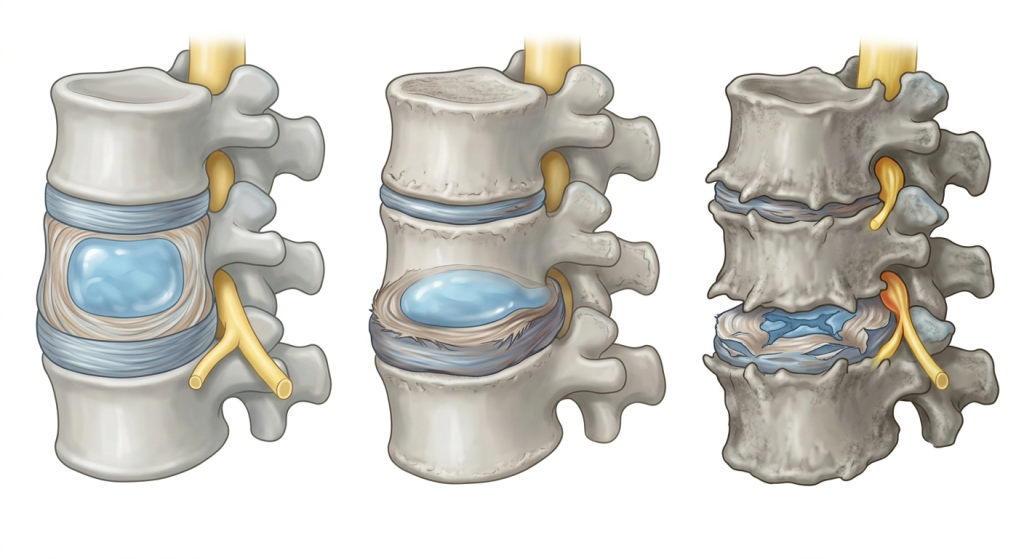
Degenerative Disc Disease (DDD) is a common spinal condition that develops as the discs between the vertebrae gradually wear down over time. Despite the name, it is not technically a disease but rather a condition associated with aging, spinal stress, and disc deterioration. Understanding the signs and symptoms of degenerative disc disease is important because early recognition can help reduce pain, improve mobility, and prevent complications.
The spinal discs act as cushions between the bones of the spine. As these discs lose flexibility, hydration, and strength, they become less effective at absorbing shock. This can lead to discomfort, stiffness, nerve irritation, and reduced movement.
What Is Degenerative Disc Disease?
Degenerative Disc Disease occurs when one or more spinal discs begin to break down. Healthy discs are soft and flexible, allowing the spine to move comfortably. Over time, discs may become thinner, weaker, or damaged.
DDD most commonly affects:
- The lower back (lumbar spine)
- The neck (cervical spine)
The condition may affect people differently. Some experience severe pain, while others have few or no symptoms. Learn more
Causes of Degenerative Disc Disease
Several factors contribute to disc degeneration.L
Common causes include:
- Aging
- Repetitive spinal stress
- Injury or trauma
- Poor posture
- Obesity
- Smoking
- Heavy lifting
- Sedentary lifestyle
Aging is the most common cause because spinal discs naturally lose water content over time.
Signs and Symptoms of Degenerative Disc Disease
Recognizing the symptoms early can help with diagnosis and treatment.
1. Chronic Back Pain
Persistent back pain is one of the most common symptoms.
Characteristics of pain:
- Dull or aching pain
- Pain that comes and goes
- Pain worsening with sitting
- Discomfort after lifting or bending
Lower back pain is especially common in lumbar DDD.
2. Neck Pain
When DDD affects the cervical spine, neck pain may develop.
Symptoms may include:
- Stiff neck
- Pain with movement
- Reduced flexibility
- Pain spreading to shoulders
Neck discomfort can become chronic over time.
3. Pain That Worsens While Sitting
Sitting places pressure on spinal discs.
Many people notice:
- Increased pain during prolonged sitting
- Relief when standing or walking
- Discomfort during driving
Pressure on damaged discs often triggers symptoms.
4. Pain That Improves with Movement
Unlike some spinal conditions, DDD pain may improve with gentle movement.
Helpful activities:
- Walking
- Light stretching
- Changing positions frequently
Movement may reduce stiffness and improve circulation.
5. Numbness and Tingling
Damaged discs may irritate nearby nerves.
Nerve-related symptoms include:
- Tingling in arms or legs
- Numbness
- Burning sensations
- Electric-shock-like pain
These symptoms depend on the location of disc degeneration.
6. Muscle Weakness
Nerve compression can weaken surrounding muscles.
Weakness may affect:
- Arms
- Hands
- Legs
- Feet
Severe weakness should be evaluated by a doctor.
7. Reduced Flexibility and Mobility
DDD can make spinal movement difficult.
Common issues:
- Trouble bending
- Stiffness after rest
- Difficulty twisting
- Limited neck movement
Daily activities may become uncomfortable.
8. Pain That Radiates to Other Areas
Disc degeneration can affect nearby nerves.
Radiating pain may spread to:
- Buttocks
- Hips
- Thighs
- Arms
- Shoulders
This pain may resemble sciatica in some cases.
9. Flare-Ups of Severe Pain
DDD symptoms may worsen periodically.
Triggers may include:
- Heavy lifting
- Poor posture
- Physical overuse
- Sudden twisting movements
Pain flare-ups may last days or weeks.
How Degenerative Disc Disease Progresses
Disc degeneration often develops gradually.
Changes may include:
- Disc dehydration
- Loss of disc height
- Bulging discs
- Bone spur formation
- Joint inflammation
Progression varies from person to person.
Risk Factors for Degenerative Disc Disease
Several factors increase risk.
Common risk factors:
- Aging
- Smoking
- Obesity
- Physically demanding jobs
- Family history
- Sedentary lifestyle
Smoking reduces blood flow to spinal discs, accelerating degeneration.
Complications of Degenerative Disc Disease
Without proper management, DDD can lead to complications.
Possible complications:
- Herniated discs
- Sciatica
- Chronic pain
- Nerve compression
- Reduced mobility
- Spinal instability
Severe cases may affect quality of life.
How Degenerative Disc Disease Is Diagnosed
Doctors use several methods to confirm DDD.
Diagnostic tools include:
- Physical examination
- Medical history review
- X-rays
- MRI scans
- CT scans
MRI scans are especially useful for evaluating spinal discs.
Treatment Options for Degenerative Disc Disease
Treatment focuses on pain management and improving movement.
1. Physical Therapy
Physical therapy strengthens muscles that support the spine.
Benefits:
- Improved posture
- Better flexibility
- Reduced pain
- Increased stability
Core-strengthening exercises are especially helpful.
2. Pain Relief Medications
Doctors may recommend:
- Anti-inflammatory drugs
- Muscle relaxants
- Pain relievers
Medication may help during flare-ups.
3. Exercise and Stretching
Regular movement supports spinal health.
Helpful exercises:
- Walking
- Swimming
- Gentle yoga
- Stretching routines
Low-impact exercise can reduce stiffness.
4. Weight Management
Maintaining healthy weight reduces pressure on spinal discs.
Benefits:
- Less spinal strain
- Improved mobility
- Reduced inflammation
5. Heat and Cold Therapy
Simple home treatments may relieve symptoms.
Heat helps:
- Relax muscles
- Improve circulation
Cold helps:
- Reduce inflammation
- Numb pain
6. Lifestyle Changes
Healthy habits can slow progression.
Recommended changes:
- Improve posture
- Avoid smoking
- Lift properly
- Stay active
- Reduce prolonged sitting
7. Injections and Advanced Treatments
Some people may require:
- Steroid injections
- Nerve blocks
- Advanced pain management procedures
These treatments may reduce inflammation temporarily.
8. Surgery for Severe Cases
Surgery is usually considered only when conservative treatments fail.
Surgical options may include:
- Spinal fusion
- Artificial disc replacement
- Decompression surgery
Surgery may help relieve nerve pressure and improve stability.
Can Degenerative Disc Disease Be Prevented?
While aging cannot be stopped, healthy habits may lower risk.
Prevention tips:
- Maintain healthy weight
- Exercise regularly
- Avoid smoking
- Use proper posture
- Lift safely
- Strengthen core muscles
Spinal care is important at every age.
When to See a Doctor
Seek medical attention if you experience:
- Persistent back or neck pain
- Numbness or weakness
- Difficulty walking
- Severe stiffness
- Loss of bladder or bowel control
Early treatment may prevent complications.
Read: What Causes Frozen Shoulder and How Is It Treated?
Final Thoughts
Understanding the signs and symptoms of degenerative disc disease can help people recognize the condition early and seek proper treatment. Although DDD is common with aging, lifestyle changes, exercise, physical therapy, and medical care can help reduce pain and improve spinal health. Managing symptoms early can support better mobility, comfort, and long-term quality of life.