Tech Neck: Causes, Symptoms, and How to Prevent It

In today’s digital world, smartphones, tablets, laptops, and computers have become part of everyday life. While technology offers convenience and connectivity, excessive screen use has also created a growing health problem known as tech neck. This condition develops when people repeatedly look down at screens for long periods, placing excessive stress on the neck and upper spine. Understanding tech neck, its symptoms, causes, and prevention methods is important for protecting posture and long-term spinal health.
Tech neck is becoming increasingly common among adults, teenagers, and even children due to rising screen time. Poor posture habits combined with prolonged device use can gradually lead to chronic neck pain, headaches, muscle tension, and reduced mobility.
What Is Tech Neck?
Tech neck is a repetitive stress condition caused by prolonged forward head posture while using digital devices. The human head naturally weighs around 10–12 pounds when aligned correctly with the spine. However, when the head tilts forward to look at a screen, the pressure on the neck increases significantly. Learn more
Head tilt pressure examples:
- 15 degrees: about 27 pounds of pressure
- 30 degrees: about 40 pounds
- 45 degrees: about 49 pounds
- 60 degrees: about 60 pounds
This added stress forces neck muscles and spinal structures to work harder than they were designed to.
Common Causes of Tech Neck
Several daily habits contribute to tech neck.
Common causes include:
- Looking down at smartphones
- Poor computer screen positioning
- Slouching while sitting
- Long hours of desk work
- Poor posture while gaming
- Using tablets in bed
- Limited physical movement
As screen time increases, posture-related strain becomes more common.
Symptoms of Tech Neck
Tech neck symptoms often develop gradually and worsen over time.
Common symptoms include:
- Neck pain and stiffness
- Shoulder tension
- Upper back pain
- Headaches
- Reduced neck mobility
- Muscle spasms
- Tingling in arms or hands
- Poor posture
Some people may also experience fatigue and difficulty concentrating due to muscle strain.
How Tech Neck Affects the Body
Tech neck affects more than just the neck muscles.
It can impact:
- Cervical spine alignment
- Shoulder muscles
- Upper back posture
- Spinal discs
- Nerves
Long-term strain can gradually alter natural spinal curves.
Forward Head Posture and Tech Neck
One of the biggest effects of tech neck is forward head posture.
Signs of forward head posture:
- Head positioned in front of shoulders
- Rounded shoulders
- Slouched upper back
- Tight neck muscles
Forward head posture increases stress on the spine and contributes to chronic discomfort.
Tech Neck and Headaches
Neck tension can trigger headaches.
Why headaches occur:
- Tight neck muscles
- Increased tension at the base of the skull
- Poor circulation
- Muscle fatigue
These headaches often worsen after long periods of screen use.
Shoulder and Upper Back Pain
Tech neck commonly affects the shoulders and upper back.
This may cause:
- Muscle tightness
- Burning sensations
- Reduced flexibility
- Shoulder stiffness
Poor posture weakens supportive muscles over time.
Can Tech Neck Cause Long-Term Damage?
If ignored, tech neck may contribute to chronic spinal problems.
Possible long-term complications:
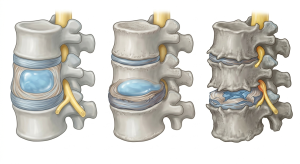
- Degenerative disc disease
- Chronic neck pain
- Herniated discs
- Nerve compression
- Postural abnormalities
- Reduced mobility
Early correction can help prevent worsening symptoms.
Who Is Most at Risk for Tech Neck?
Certain groups are more vulnerable.
High-risk individuals include:
- Office workers
- Students
- Gamers
- Remote workers
- Frequent smartphone users
Children and teenagers are also increasingly affected due to prolonged device use.
How to Prevent Tech Neck
Fortunately, several habits can reduce the risk of tech neck.
1. Raise Devices to Eye Level
Holding screens higher reduces neck bending.
Benefits:
- Better spinal alignment
- Less neck strain
- Improved posture
Avoid constantly looking downward at phones.
2. Improve Sitting Posture
Proper sitting posture protects the spine.
Healthy posture tips:
- Keep shoulders relaxed
- Sit with back support
- Keep feet flat on the floor
- Maintain neutral spine position
Avoid slouching during device use.
3. Take Frequent Breaks
Movement helps reduce muscle tension.
Recommended:
- Stand every 30–60 minutes
- Stretch regularly
- Walk briefly
Short breaks improve circulation and reduce stiffness.
4. Stretch the Neck and Shoulders
Stretching helps relax tight muscles.
Helpful stretches:
- Neck tilts
- Chin tucks
- Shoulder rolls
- Chest stretches
Regular stretching improves flexibility and posture.
5. Strengthen Posture Muscles
Strong muscles help support proper alignment.
Helpful exercises:
- Planks
- Rows
- Wall angels
- Core strengthening
Posture exercises can reduce future strain.
6. Adjust Workstations Ergonomically
A proper workstation setup helps prevent posture problems.
Important adjustments:
- Screen at eye level
- Chair with back support
- Keyboard positioned comfortably
- Elbows at 90 degrees
Ergonomics reduce stress on the neck and spine.
Exercises for Tech Neck Relief
Regular exercises can improve symptoms.
Recommended exercises:
- Chin tuck exercise
- Cat-cow stretch
- Shoulder blade squeeze
- Upper trapezius stretch
Consistency is important for improvement.
Tech Neck in Children and Teenagers
Young people are spending more time on digital devices than ever before.
Risks include:
- Developing poor posture habits early
- Reduced physical activity
- Increased spinal strain
Encouraging healthy posture habits early may reduce future problems.
When to See a Doctor
Seek medical advice if symptoms include:
- Severe neck pain
- Persistent headaches
- Numbness or tingling
- Weakness in arms
- Limited neck movement
Professional evaluation may help identify more serious issues.
Read: How Poor Posture Contributes to Chronic Back Pain
Final Thoughts
Tech neck is becoming one of the most common posture-related problems in the digital age. Prolonged screen use and poor posture habits place excessive stress on the neck, shoulders, and spine, leading to discomfort and long-term health issues. By improving posture, limiting screen strain, exercising regularly, and using ergonomic setups, people can reduce the risk of tech neck and protect their spinal health for the future.