How Poor Posture Contributes to Chronic Back Pain
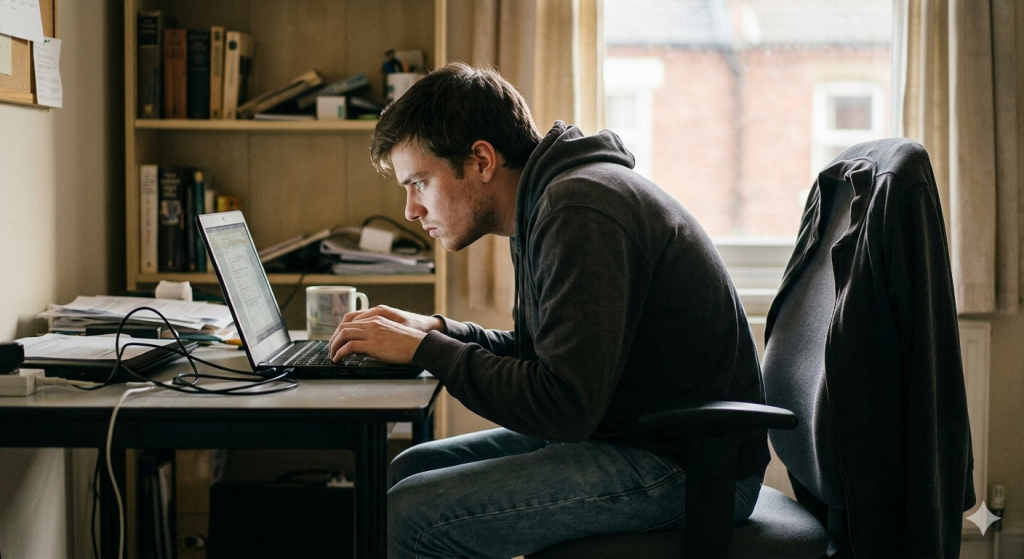
Poor posture is one of the most common yet overlooked causes of chronic back pain. In today’s digital world, many people spend long hours sitting at desks, looking down at phones, or standing incorrectly without realizing the impact on their spine. Over time, these unhealthy positions place excessive stress on muscles, joints, ligaments, and spinal discs. Understanding how poor posture contributes to chronic back pain can help people prevent discomfort and improve long-term spinal health.
Back pain affects millions of people worldwide and is one of the leading causes of reduced mobility and missed workdays. While injuries and medical conditions can contribute to pain, poor posture is often a major factor that gradually damages spinal alignment and muscle balance.
What Is Poor Posture?
Posture refers to the way the body is positioned while sitting, standing, walking, or lying down. Good posture keeps the spine aligned and distributes body weight evenly. Poor posture occurs when the body is repeatedly held in unhealthy positions that strain the spine and surrounding muscles. Learn more
Common examples of poor posture include:
- Slouching while sitting
- Leaning forward at a desk
- Looking down at a phone for long periods
- Rounded shoulders
- Standing unevenly
- Sleeping in unsupported positions
These habits may seem harmless at first but can cause long-term problems.
Understanding Chronic Back Pain
Chronic back pain is pain that lasts for more than 12 weeks or repeatedly returns over time. It can affect:
- The lower back
- The upper back
- The neck and shoulders
Pain may range from mild discomfort to severe stiffness and reduced mobility.
How Poor Posture Affects the Spine
The spine is designed to maintain natural curves that support balance and movement. Poor posture changes these curves and places extra pressure on the spine.
This can lead to:
- Muscle strain
- Disc pressure
- Joint irritation
- Nerve compression
- Reduced flexibility
Over time, these changes contribute to chronic back pain.
1. Increased Pressure on Spinal Discs
One major reason poor posture contributes to chronic back pain is increased stress on spinal discs.
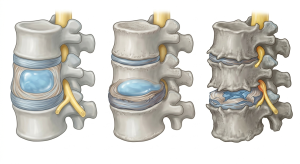
Spinal discs act as cushions between vertebrae. Slouching or sitting improperly increases pressure on these discs, especially in the lower back.
Possible effects:
- Disc degeneration
- Bulging discs
- Herniated discs
- Chronic lower back pain
Long periods of sitting can worsen these problems.
2. Muscle Imbalance and Strain
Poor posture forces certain muscles to work harder than others.
Common muscle problems:
- Tight chest muscles
- Weak core muscles
- Overworked neck muscles
- Tight hip flexors
Muscle imbalance reduces spinal support and increases pain risk.
3. Forward Head Posture and Neck Pain
Modern technology has increased a posture issue known as forward head posture.
Causes include:
- Looking down at phones
- Poor computer screen positioning
- Slouching while sitting
When the head moves forward, neck muscles must support additional weight.
This may cause:
- Neck pain
- Shoulder tension
- Headaches
- Upper back pain
The farther the head leans forward, the greater the strain.
4. Rounded Shoulders and Upper Back Pain
Rounded shoulders often develop from prolonged sitting or computer use.
Effects include:
- Upper back tightness
- Reduced shoulder mobility
- Muscle fatigue
- Poor breathing posture
Over time, upper back muscles become strained and painful.
5. Weak Core Muscles
The core muscles support the spine and maintain stability.
Poor posture often weakens:
- Abdominal muscles
- Lower back muscles
- Pelvic support muscles
Weak core muscles reduce spinal support and contribute to chronic pain.
6. Reduced Flexibility and Mobility
Poor posture can gradually limit movement.
Symptoms may include:
- Stiffness
- Reduced bending ability
- Difficulty standing straight
- Pain after sitting too long
Lack of movement worsens muscle tightness.
7. Poor Posture While Sleeping
Sleeping posture also affects spinal health.
Poor sleep positions may:
- Twist the spine
- Strain neck muscles
- Increase lower back pain
Supportive mattresses and pillows help maintain alignment.
Common Posture Habits That Cause Back Pain
Several daily habits increase posture-related pain risk.
Harmful habits include:
- Sitting for long periods
- Using laptops without support
- Carrying heavy bags on one shoulder
- Wearing unsupportive footwear
- Standing unevenly
- Lack of exercise
Small habits repeated daily can create long-term strain.
Signs Your Posture Is Causing Back Pain
Many people do not realize posture is the source of their discomfort.
Warning signs:
- Frequent back stiffness
- Neck tension
- Shoulder pain
- Headaches
- Pain after desk work
- Difficulty standing upright
Early correction can prevent worsening symptoms.
Long-Term Effects of Poor Posture
Ignoring posture problems can lead to chronic conditions.
Potential complications:
- Degenerative disc disease
- Sciatica
- Chronic muscle pain
- Spinal misalignment
- Reduced mobility
- Joint wear and tear
Poor posture can affect overall quality of life.
How to Improve Posture and Reduce Back Pain
Improving posture can significantly reduce discomfort and support spinal health.
1. Sit Properly
Healthy sitting posture:
- Feet flat on floor
- Back supported
- Shoulders relaxed
- Knees at hip level
Avoid slouching or leaning forward.
2. Strengthen Core Muscles
Core exercises improve spinal support.
Helpful exercises:
- Planks
- Bridges
- Pelvic tilts
- Abdominal strengthening
Strong muscles help maintain proper alignment.
3. Stretch Regularly
Stretching helps reduce muscle tension.
Helpful stretches:
- Chest stretches
- Neck stretches
- Hamstring stretches
- Hip flexor stretches
Regular flexibility training improves posture.
4. Adjust Workstations
Ergonomic workspaces support better posture.
Important adjustments:
- Screen at eye level
- Supportive chair
- Keyboard positioned correctly
- Feet supported
Proper workstation setup reduces strain.
5. Take Frequent Breaks
Movement is essential for spinal health.
Recommended:
- Stand every 30–60 minutes
- Walk briefly
- Stretch regularly
Prolonged sitting increases pressure on the spine.
6. Maintain Healthy Weight
Excess body weight places extra stress on the back.
Healthy weight management supports spinal alignment and reduces strain.
Exercises That Help Correct Posture
Effective posture exercises:
- Chin tucks
- Shoulder blade squeezes
- Wall angels
- Cat-cow stretches
- Yoga poses for alignment
Consistency is key for improvement.
When to See a Doctor
Seek medical attention if you experience:
- Persistent back pain
- Numbness or tingling
- Severe stiffness
- Difficulty walking
- Pain that worsens over time
Professional evaluation may help identify underlying conditions.
Read: Signs and Symptoms of Degenerative Disc Disease Explained
Final Thoughts
Understanding how poor posture contributes to chronic back pain is important for protecting long-term spinal health. Poor posture places excessive stress on the spine, muscles, and joints, gradually leading to discomfort and reduced mobility. Fortunately, posture-related back pain can often be improved through exercise, stretching, ergonomic adjustments, and healthy daily habits. Small changes in posture today can help prevent chronic pain and improve overall quality of life in the future.