Best Foods for Women’s Reproductive Health and Fertility
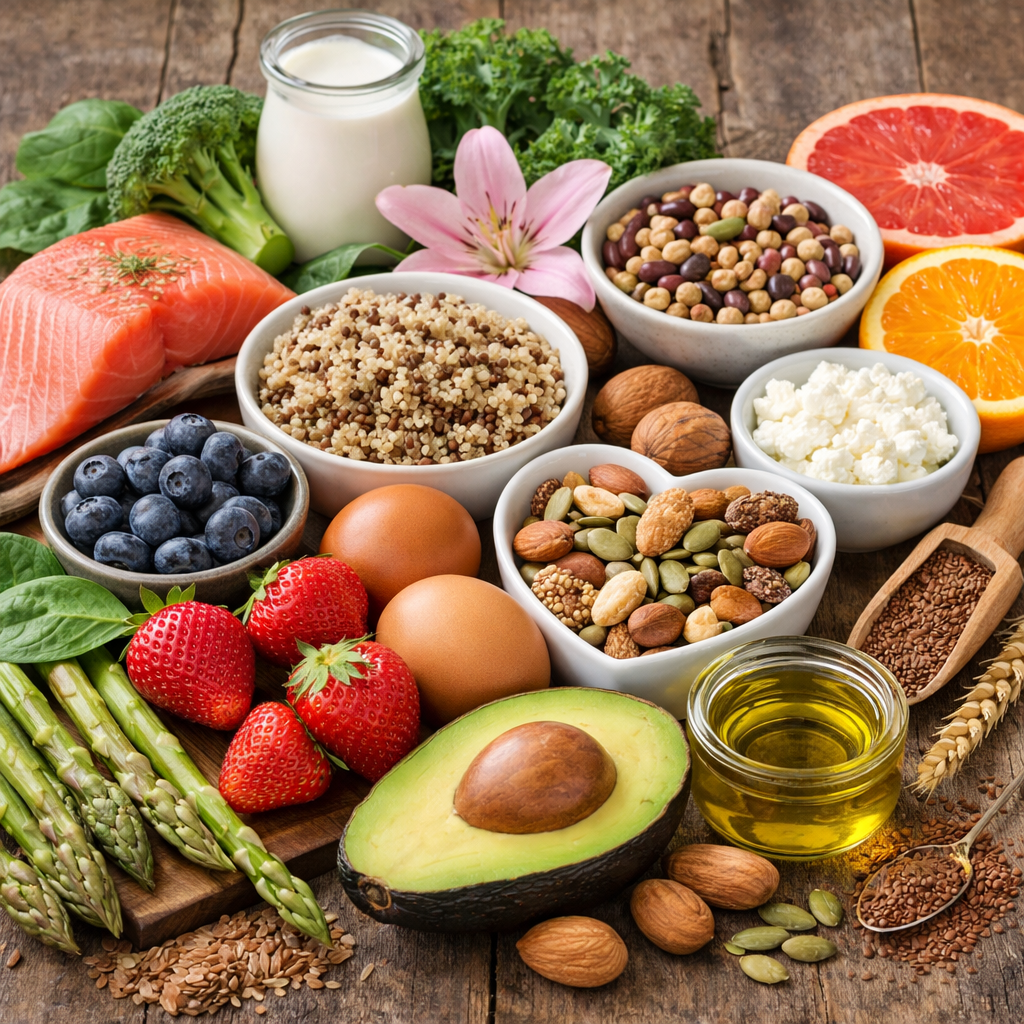
Best foods for women’s reproductive health and fertility can play a powerful role in supporting hormonal balance, improving egg quality, and enhancing the chances of conception. While fertility is influenced by many factors such as age, genetics, and lifestyle, nutrition remains one of the most important areas women can control naturally. Eating the right foods helps the body maintain healthy hormone production, regulate menstrual cycles, and prepare the reproductive system for pregnancy.
A well-balanced diet can also reduce inflammation, support ovulation, and improve overall reproductive wellness. Women who are trying to conceive or simply want to improve long-term reproductive health can benefit greatly from making smart dietary choices every day.
Why Nutrition Matters for Reproductive Health
The female reproductive system depends on a steady supply of nutrients to function properly. Hormones such as estrogen and progesterone need healthy fats, vitamins, and minerals for proper production. Deficiencies in certain nutrients may interfere with ovulation, menstrual regularity, and fertility. Learn more
Healthy nutrition can help:
- Balance reproductive hormones
- Improve egg quality
- Support regular ovulation
- Reduce inflammation
- Improve uterine health
- Maintain a healthy body weight
- Increase chances of conception
The foods you eat can directly influence your reproductive system.
Leafy Green Vegetables
Leafy greens are among the best foods for reproductive health because they are rich in essential vitamins and minerals.
Best choices include:
- Spinach
- Kale
- Swiss chard
- Broccoli
- Collard greens
These vegetables provide:
- Folate
- Iron
- Calcium
- Vitamin C
- Antioxidants
Folate is especially important because it supports healthy cell growth and reduces the risk of birth defects during early pregnancy.
Fatty Fish
Fatty fish contains omega-3 fatty acids that support hormone balance and improve blood flow to reproductive organs.
Excellent options:
- Salmon
- Sardines
- Mackerel
- Trout
Omega-3s may help:
- Reduce inflammation
- Improve egg quality
- Regulate hormones
- Support healthy cervical mucus
Women should aim for low-mercury fish to maximize benefits while minimizing risks.
Whole Grains
Whole grains help regulate blood sugar levels, which can improve fertility, especially in women with hormonal imbalances.
Good options:
- Brown rice
- Oats
- Quinoa
- Whole wheat
- Barley
Whole grains provide:
- Fiber
- B vitamins
- Magnesium
- Selenium
Stable blood sugar helps reduce insulin spikes that may disrupt ovulation.
Berries
Berries are rich in antioxidants that protect reproductive cells from damage.
Best berries:
- Blueberries
- Strawberries
- Raspberries
- Blackberries
Antioxidants help:
- Protect eggs from oxidative stress
- Support hormone function
- Improve immune health
- Reduce inflammation
Oxidative stress can negatively affect fertility, making antioxidant-rich foods valuable.
Nuts and Seeds
Nuts and seeds contain healthy fats, protein, and important fertility-supporting nutrients.
Best choices:
- Walnuts
- Almonds
- Sunflower seeds
- Pumpkin seeds
- Flaxseeds
- Chia seeds
These foods provide:
- Vitamin E
- Zinc
- Selenium
- Omega-3 fats
Vitamin E may improve uterine lining health and support reproductive function.
Eggs
Eggs are one of the best fertility-supporting foods because they contain high-quality protein and choline.
Benefits include:
- Supports hormone production
- Improves egg health
- Provides vitamin D
- Supports fetal development
The yolk contains many fertility-friendly nutrients, so whole eggs are more beneficial than egg whites alone.
Avocados
Avocados provide healthy monounsaturated fats that support hormone production.
Benefits:
- Improve hormone balance
- Support ovulation
- Reduce inflammation
- Improve nutrient absorption
Healthy fats are essential because reproductive hormones are made from dietary fats.
Beans and Lentils
Plant-based protein can support fertility while reducing inflammation.
Best options:
- Lentils
- Chickpeas
- Black beans
- Kidney beans
They provide:
- Iron
- Folate
- Protein
- Fiber
Iron deficiency can affect ovulation, making legumes an important dietary addition.
Dairy Products
Some studies suggest full-fat dairy may support fertility better than low-fat options.
Healthy choices:
- Greek yogurt
- Milk
- Cheese
- Cottage cheese
Dairy provides:
- Calcium
- Protein
- Vitamin D
- Healthy fats
Moderation is important, as excessive intake may not provide additional benefits.
Citrus Fruits
Citrus fruits contain vitamin C, which helps improve hormone balance and reproductive health.
Best fruits:
- Oranges
- Grapefruits
- Lemons
- Limes
Benefits include:
- Supports iron absorption
- Protects reproductive cells
- Strengthens immunity
- Improves collagen production
Vitamin C can also support healthy cervical tissue.
Water
Hydration is often overlooked in fertility health.
Proper hydration helps:
- Improve cervical mucus
- Support hormone transport
- Enhance circulation
- Remove toxins
Women should drink enough water daily to keep the reproductive system functioning efficiently.
Foods to Limit for Better Fertility
Certain foods may negatively affect reproductive health.
Limit:
- Processed foods
- Excess sugar
- Trans fats
- Sugary drinks
- Excess alcohol
- Excess caffeine
Too much processed food can increase inflammation and interfere with hormone balance.
Lifestyle Habits That Support Fertility
Nutrition works best when combined with healthy habits.
Helpful habits:
- Exercise regularly
- Maintain healthy weight
- Sleep well
- Manage stress
- Avoid smoking
- Reduce alcohol
A healthy lifestyle can significantly improve reproductive health.
When to See a Doctor
Diet can improve fertility, but some women may need medical evaluation if they experience:
- Irregular periods
- Severe menstrual pain
- Difficulty conceiving after 12 months
- Recurrent pregnancy loss
A healthcare provider can identify underlying fertility concerns.
Read: Breast Health Awareness: Early Signs Every Woman Should Know
Final Thoughts
Choosing the best foods for women’s reproductive health and fertility can naturally support hormone balance, egg quality, and overall reproductive wellness. Nutrient-rich foods such as leafy greens, fatty fish, berries, nuts, eggs, and whole grains can help the body function at its best.
While no single food guarantees pregnancy, a healthy diet creates the right foundation for fertility and long-term reproductive health. Small daily choices can make a meaningful difference in a woman’s journey toward better wellness and future motherhood.