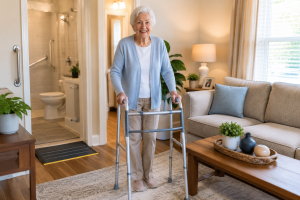
Caregiving Tips for Families Supporting Aging Parents
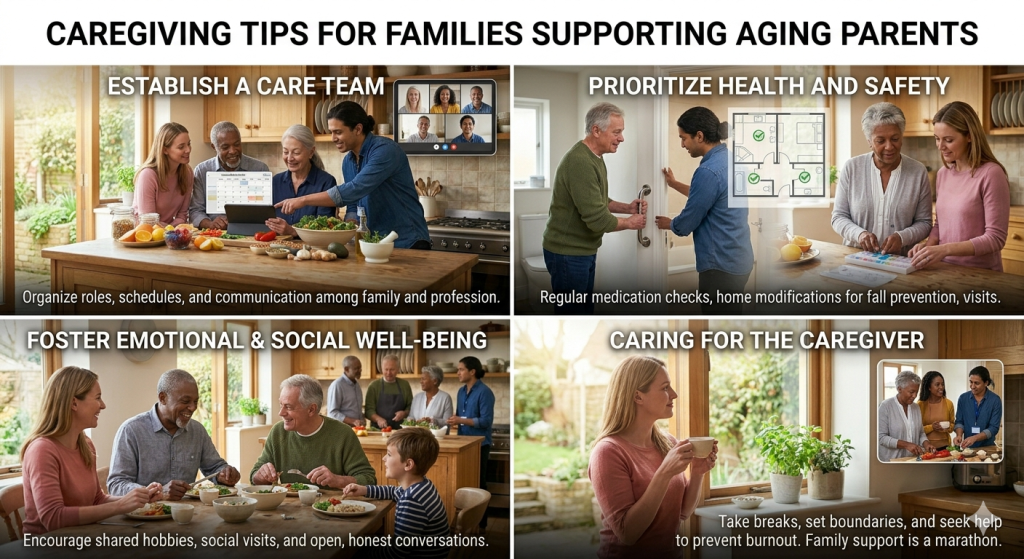
As parents grow older, many families find themselves taking on caregiving responsibilities. While caring for an aging parent can be a rewarding experience, it can also bring emotional, physical, and financial challenges. Balancing caregiving duties with work, family life, and personal well-being often requires patience, planning, and support. By understanding the needs of older adults and adopting effective caregiving strategies, families can provide compassionate care while helping their loved ones maintain dignity, independence, and quality of life.
Understanding the Changing Needs of Aging Parents
Aging can bring changes in physical health, mobility, memory, and emotional well-being. Some seniors may require minimal assistance, while others may need extensive daily support. Learn more
Common challenges faced by aging parents include:
- Reduced mobility
- Chronic health conditions
- Memory loss or cognitive decline
- Vision and hearing impairments
- Medication management difficulties
- Increased risk of falls
- Social isolation and loneliness
Recognizing these changing needs early allows families to plan appropriate care and support.
Communicate Openly and Respectfully
Effective communication is one of the most important aspects of caregiving.
Helpful communication strategies include:
- Listening carefully to concerns and preferences.
- Encouraging honest discussions about health and future plans.
- Respecting personal choices whenever possible.
- Involving parents in decisions that affect their lives.
- Speaking calmly and patiently during difficult conversations.
Maintaining open communication helps build trust and reduces misunderstandings.
Encourage Independence
While it may be tempting to do everything for an aging parent, preserving independence can improve confidence, self-esteem, and overall well-being.
Ways to support independence include:
- Allowing parents to perform tasks they can safely manage.
- Encouraging participation in household activities.
- Using assistive devices when needed.
- Promoting self-care whenever possible.
The goal is to provide support without unnecessarily limiting autonomy.
Create a Safe Home Environment
Many injuries among older adults occur at home. Simple safety improvements can help reduce risks and support independent living.
Consider:
- Removing tripping hazards such as loose rugs and clutter.
- Installing grab bars in bathrooms.
- Improving lighting throughout the home.
- Ensuring stairways have sturdy handrails.
- Using non-slip mats in wet areas.
- Keeping frequently used items within easy reach.
Regular home safety assessments can help identify potential dangers.
Stay Organized with Medical Care
Managing healthcare becomes increasingly important as parents age.
Helpful tips include:
- Maintaining a list of medications and dosages.
- Keeping medical records organized.
- Scheduling regular health checkups.
- Attending important medical appointments when appropriate.
- Monitoring symptoms and changes in health.
Good organization helps prevent errors and ensures timely medical attention.
Support Healthy Lifestyle Habits
Healthy habits can improve both physical and mental health in older adults.
Encourage:
- Nutritious meals rich in fruits, vegetables, whole grains, and lean proteins.
- Regular physical activity appropriate for their abilities.
- Adequate hydration.
- Consistent sleep routines.
- Avoidance of smoking and excessive alcohol use.
Small lifestyle improvements can have significant long-term benefits.
Watch for Signs of Cognitive Changes
Memory problems are not always a normal part of aging. Families should monitor for signs that may indicate cognitive decline.
Possible warning signs include:
- Frequent forgetfulness
- Difficulty managing finances
- Repeated questions
- Confusion about time or place
- Changes in judgment
- Difficulty following conversations
Early evaluation by a healthcare professional can help identify potential conditions and treatment options.
Address Emotional Well-Being
Older adults may experience stress, anxiety, grief, or depression due to life changes, health issues, or the loss of loved ones.
Support emotional health by:
- Encouraging social interaction.
- Spending quality time together.
- Listening without judgment.
- Promoting hobbies and enjoyable activities.
- Seeking professional support when necessary.
Emotional well-being is just as important as physical health.
Share Caregiving Responsibilities
Caregiving should not fall entirely on one family member whenever possible.
Ways to distribute responsibilities include:
- Creating a caregiving schedule.
- Assigning specific tasks to different family members.
- Sharing transportation duties.
- Coordinating meal preparation.
- Managing finances collaboratively.
A team approach can reduce stress and prevent caregiver burnout.
Learn About Available Resources
Many community resources can help support both seniors and caregivers.
These may include:
- Home healthcare services
- Adult day care programs
- Senior centers
- Meal delivery services
- Transportation assistance
- Respite care programs
- Caregiver support groups
Taking advantage of available resources can improve care quality and reduce caregiver strain.
Plan for Future Care Needs
Long-term planning can help families prepare for future challenges.
Important topics to discuss include:
- Healthcare preferences
- Living arrangements
- Financial planning
- Legal documents
- Power of attorney
- Advance healthcare directives
Early planning ensures that important decisions reflect the wishes of the aging parent.
Take Care of Yourself as a Caregiver
Caregivers often focus so much on their loved ones that they neglect their own health and well-being.
To avoid burnout:
- Take regular breaks.
- Maintain healthy eating and exercise habits.
- Get enough sleep.
- Stay connected with friends and family.
- Seek support when needed.
- Accept help from others.
A healthy caregiver is better able to provide effective and compassionate care.
Recognize When Additional Help Is Needed
As health needs become more complex, professional assistance may become necessary.
Signs that additional support may be needed include:
- Frequent falls
- Medication errors
- Difficulty performing daily activities
- Worsening memory problems
- Caregiver exhaustion
- Increased medical needs
Seeking professional help is not a failure—it is often the best way to ensure safety and quality care.
Build a Positive Caregiving Relationship
Successful caregiving involves more than managing physical needs. It also means preserving dignity, respect, and meaningful connections.
Focus on:
- Celebrating accomplishments
- Encouraging independence
- Sharing enjoyable activities
- Showing patience and compassion
- Respecting personal preferences
These efforts can strengthen family relationships and improve the caregiving experience for everyone involved.
Read: Social Isolation in Seniors: Risks and Prevention Strategies
Conclusion
Supporting aging parents is one of the most important roles many families will undertake. While caregiving can be challenging, thoughtful planning, open communication, and access to appropriate resources can make the journey more manageable. By prioritizing safety, health, independence, and emotional well-being, families can help their aging parents maintain a high quality of life while creating meaningful and rewarding experiences together. Compassionate caregiving not only supports older adults but also strengthens family bonds for generations to come.