Senior Safety at Home: Essential Tips for Independent Living
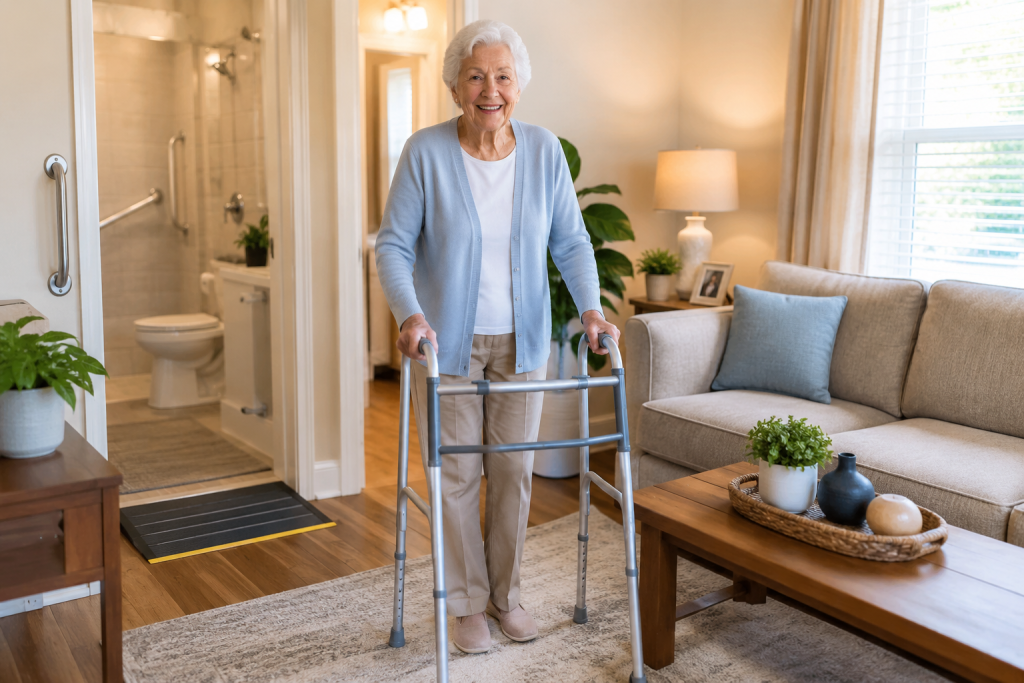
As people age, maintaining independence becomes increasingly important for preserving confidence, dignity, and quality of life. For many seniors, staying in their own homes allows them to remain connected to familiar surroundings and routines. However, aging can also bring physical, sensory, and cognitive changes that increase the risk of accidents and injuries at home. By making thoughtful adjustments and adopting safe habits, older adults can continue to live independently while minimizing potential hazards.
Why Home Safety Matters for Seniors
Home is where most seniors spend a significant amount of their time. Unfortunately, it is also where many accidents occur. Falls, burns, medication errors, and household hazards can lead to serious injuries, hospitalization, and a loss of independence. Creating a safe living environment not only reduces these risks but also promotes peace of mind for both seniors and their families. Learn more
Prevent Falls by Removing Hazards
Falls are among the leading causes of injury in older adults. Many falls occur due to environmental hazards that can easily be addressed.
To reduce fall risks:
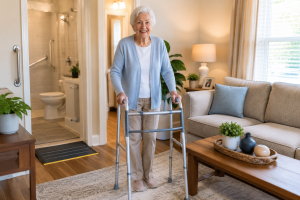
- Remove loose rugs or secure them with non-slip backing.
- Keep walkways free of clutter, cords, and furniture.
- Repair uneven flooring and loose floorboards.
- Ensure stairways have sturdy handrails on both sides.
- Install non-slip mats in bathrooms and kitchens.
- Wear supportive, non-slip footwear indoors and outdoors.
Regularly reviewing the home for tripping hazards can significantly reduce the likelihood of falls.
Improve Home Lighting
Poor lighting makes it difficult to see obstacles and can increase the risk of accidents.
Enhance visibility by:
- Installing bright lighting in hallways, staircases, and entryways.
- Using nightlights in bedrooms, bathrooms, and corridors.
- Replacing burnt-out bulbs promptly.
- Adding motion-sensor lights near entrances and outdoor pathways.
- Positioning light switches at easily accessible locations.
Good lighting helps seniors navigate their homes safely, especially during nighttime hours.
Make the Bathroom Safer
Bathrooms can be particularly dangerous because of slippery surfaces and limited space.
Consider these safety modifications:
- Install grab bars near toilets and inside showers.
- Use a shower chair for added stability.
- Place non-slip mats inside and outside the bathtub.
- Consider a walk-in shower or walk-in bathtub.
- Use a handheld showerhead for easier bathing.
These adjustments can greatly reduce the risk of slips and falls.
Organize Medications Properly
Many seniors take multiple medications, making proper medication management essential.
Helpful strategies include:
- Using a weekly pill organizer.
- Keeping an updated list of all medications.
- Setting alarms or reminders for medication schedules.
- Storing medicines in a cool, dry place.
- Reviewing medications regularly with a healthcare provider.
Proper medication management helps prevent missed doses, overdoses, and harmful drug interactions.
Maintain Fire and Electrical Safety
Older adults may face increased risks from household fires and electrical hazards.
Protect yourself by:
- Testing smoke detectors monthly.
- Installing carbon monoxide detectors.
- Avoiding overloaded electrical outlets.
- Keeping flammable items away from heat sources.
- Turning off appliances when not in use.
- Having a fire extinguisher readily accessible.
Every household should also have a clearly defined emergency evacuation plan.
Keep Frequently Used Items Within Reach
Reaching high shelves or bending down repeatedly can increase the risk of falls and injuries.
Arrange the home so that:
- Daily essentials are stored between waist and shoulder height.
- Heavy items are placed on lower shelves.
- Step stools are sturdy and equipped with handrails if needed.
- Frequently used kitchen items are easy to access.
Reducing unnecessary climbing and stretching helps maintain safety.
Stay Physically Active
Physical activity plays a crucial role in maintaining balance, flexibility, and strength.
Suitable exercises for seniors may include:
- Walking
- Chair exercises
- Tai Chi
- Gentle yoga
- Resistance training
- Balance exercises
Regular movement helps improve mobility and reduces the risk of falls.
Prepare for Emergencies
Being prepared for unexpected situations can save lives and provide reassurance.
Important safety measures include:
- Keeping emergency phone numbers easily accessible.
- Carrying a mobile phone or personal emergency response device.
- Maintaining a supply of essential medications.
- Creating an emergency contact list.
- Informing trusted family members or neighbors about emergency plans.
Quick access to assistance can make a significant difference during emergencies.
Protect Against Scams and Fraud
Seniors are often targeted by scammers through phone calls, emails, text messages, and social media.
To stay safe:
- Never share personal or financial information with unknown callers.
- Verify requests before sending money.
- Use strong passwords for online accounts.
- Be cautious of unsolicited offers or prize notifications.
- Discuss suspicious communications with trusted family members.
Awareness and caution are key to preventing financial exploitation.
Encourage Social Connections
Isolation can negatively affect both physical and mental health. Maintaining social engagement supports emotional well-being and safety.
Ways to stay connected include:
- Joining senior community groups.
- Participating in local activities.
- Scheduling regular visits with family and friends.
- Using video calls to stay in touch.
- Volunteering or pursuing hobbies.
Strong social networks can also provide additional support during emergencies.
Regularly Review Home Safety
Needs often change with age. Conducting periodic home safety assessments helps identify new risks before accidents occur.
Review factors such as:
- Mobility changes
- Vision and hearing abilities
- Medication use
- Home accessibility
- Emergency preparedness
Updating safety measures as circumstances evolve can help seniors remain independent for longer.
Read: Signs of Developmental Delays in Babies and When to Seek Help
Conclusion
Independent living is achievable for many seniors when proper safety measures are in place. Simple modifications such as improving lighting, preventing falls, organizing medications, and preparing for emergencies can significantly reduce risks and enhance confidence. By creating a safer home environment and maintaining healthy habits, elderly men and women can continue enjoying independence, comfort, and a high quality of life well into their later years.