Social Isolation in Seniors: Risks and Prevention Strategies

Social connections are essential for emotional well-being, physical health, and overall quality of life. However, many older adults experience social isolation as they age due to retirement, loss of loved ones, health challenges, or reduced mobility. While spending time alone occasionally is normal, prolonged social isolation can have serious consequences for seniors’ mental and physical health. Understanding the risks and implementing effective prevention strategies can help older adults maintain meaningful relationships and enjoy healthier, happier lives.
What Is Social Isolation?
Social isolation occurs when a person has limited contact with family, friends, or the community. It differs from loneliness, which is the emotional feeling of being alone. A senior can be socially isolated without feeling lonely, while others may feel lonely even when surrounded by people.
Both social isolation and loneliness can negatively impact health and should be addressed proactively. Learn more
Why Seniors Are More Vulnerable to Social Isolation
Several factors can increase the risk of social isolation in older adults, including:
- Retirement from the workforce
- Loss of a spouse, family member, or close friend
- Chronic illnesses or disabilities
- Hearing or vision impairments
- Reduced mobility
- Living alone
- Lack of transportation
- Geographic distance from family members
- Limited access to technology
These circumstances can gradually reduce opportunities for social interaction and community engagement.
Health Risks Associated with Social Isolation
Social isolation affects much more than emotional well-being. Research has shown that prolonged isolation can contribute to numerous health concerns.
Increased Risk of Depression and Anxiety
Without regular social interaction, seniors may experience feelings of sadness, hopelessness, or anxiety. Emotional support from family and friends plays a critical role in maintaining mental health.
Cognitive Decline
Social engagement helps stimulate the brain and supports cognitive function. Seniors who are socially isolated may face a higher risk of memory problems, cognitive decline, and dementia.
Poor Physical Health
Isolation can contribute to unhealthy lifestyle habits such as poor nutrition, lack of exercise, and inadequate medical care. This may increase the risk of chronic conditions including:
- Heart disease
- High blood pressure
- Diabetes
- Obesity
Weakened Immune System
Chronic loneliness and stress can negatively affect immune function, making seniors more vulnerable to infections and illnesses.
Increased Risk of Premature Death
Studies suggest that severe social isolation may be associated with a higher risk of mortality, comparable to other well-known health risk factors.
Warning Signs of Social Isolation
Family members and caregivers should be aware of signs that may indicate a senior is becoming socially isolated.
Common warning signs include:
- Rarely leaving the house
- Declining invitations or social activities
- Reduced communication with family and friends
- Changes in mood or behavior
- Loss of interest in hobbies
- Poor personal hygiene
- Increased sleeping or inactivity
- Expressions of loneliness or hopelessness
Early recognition can help prevent more serious health consequences.
Prevention Strategies for Social Isolation
Fortunately, there are many ways seniors can remain socially connected and engaged.
Stay Connected with Family and Friends
Regular communication helps maintain strong relationships.
Ways to stay connected include:
- Scheduling weekly phone calls
- Participating in family gatherings
- Sending messages or emails
- Using video chat platforms
- Celebrating birthdays and special occasions together
Even brief interactions can improve emotional well-being.
Participate in Community Activities
Community involvement provides opportunities to build friendships and stay active.
Activities may include:
- Senior centers
- Religious organizations
- Book clubs
- Fitness classes
- Hobby groups
- Volunteer programs
Shared interests often lead to meaningful social connections.
Embrace Technology
Technology can help seniors stay connected regardless of physical distance.
Helpful tools include:
- Video calling apps
- Social media platforms
- Online support groups
- Virtual classes and workshops
Learning new technology skills can also provide mental stimulation and confidence.
Maintain Physical Activity
Exercise often creates opportunities for social interaction while improving overall health.
Consider:
- Walking groups
- Senior fitness classes
- Swimming programs
- Dance classes
- Community sports activities
Physical activity supports both social and physical well-being.
Consider Companion Programs
Many communities offer programs that match seniors with volunteers or companions who provide regular visits, phone calls, and social support.
These services can be especially beneficial for older adults who live alone.
Adopt a Pet
For some seniors, pets provide companionship, routine, and emotional comfort. Caring for a pet may also encourage physical activity and social interaction with others.
However, pet ownership should be considered carefully based on health, mobility, and financial factors.
Address Mobility and Transportation Challenges
Transportation barriers often limit social engagement.
Possible solutions include:
- Community transportation services
- Senior shuttle programs
- Ride-sharing services
- Assistance from family and friends
Reliable transportation can greatly expand social opportunities.
Seek Professional Support When Needed
If feelings of loneliness or depression become overwhelming, professional help may be beneficial.
Support options include:
- Mental health counseling
- Support groups
- Senior wellness programs
- Healthcare provider consultations
Early intervention can improve emotional health and quality of life.
The Role of Family and Caregivers
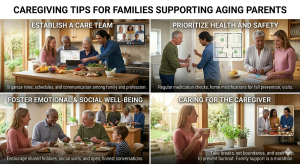
Family members and caregivers play a vital role in preventing social isolation.
Helpful actions include:
- Checking in regularly
- Encouraging participation in activities
- Helping with transportation
- Teaching technology skills
- Monitoring emotional well-being
- Including seniors in family decisions and events
Consistent support helps seniors feel valued, connected, and engaged.
Building a Socially Healthy Lifestyle
Preventing social isolation requires ongoing effort and intentional relationship-building. Seniors who remain socially active often experience better mental health, stronger cognitive function, improved physical well-being, and greater life satisfaction.
Creating daily opportunities for connection whether through family interactions, community involvement, volunteering, or hobbies can significantly enhance overall quality of life.
Read: How to Maintain a Strong Immune System After 65
Conclusion
Social isolation is a growing concern among older adults, but it is not an inevitable part of aging. By recognizing the risks and implementing effective prevention strategies, seniors can maintain meaningful relationships and enjoy healthier, more fulfilling lives. Staying connected with loved ones, participating in community activities, embracing technology, and seeking support when needed are powerful ways to combat isolation and promote successful aging. Social connections remain one of the most important ingredients for health, happiness, and well-being throughout the senior years.