The Importance of Breathing Exercises for Lung Capacity Improvement
Breathing is something most people do without thinking, yet the way we breathe has a major impact on overall health. Healthy lungs are essential for delivering oxygen to the body and removing carbon dioxide efficiently. However, factors such as aging, sedentary lifestyles, smoking, pollution, respiratory infections, and chronic lung diseases can reduce lung capacity over time.
Breathing exercises are simple but powerful techniques that help strengthen the lungs, improve airflow, and support better oxygen exchange. Whether someone is recovering from illness, managing a chronic respiratory condition, or simply aiming to improve overall wellness, regular breathing exercises can make a significant difference.
What Is Lung Capacity?
Lung capacity refers to the maximum amount of air the lungs can hold. Good lung capacity allows the body to get enough oxygen during physical activity and daily tasks. Reduced lung function can cause shortness of breath, fatigue, and difficulty performing routine activities. Learn more
Several conditions may affect lung capacity, including:
- Asthma
- Chronic Obstructive Pulmonary Disease (COPD)
- Pneumonia
- COVID-19 complications
- Pulmonary fibrosis
- Smoking-related lung damage
Improving lung capacity helps the respiratory system work more efficiently.
How Breathing Exercises Help the Lungs
Breathing exercises train the lungs and respiratory muscles to function more effectively. These exercises improve oxygen intake, strengthen the diaphragm, and help clear stale air trapped in the lungs.
Regular practice can provide multiple health benefits, including:
- Improved oxygen circulation
- Reduced shortness of breath
- Better stamina during physical activity
- Increased relaxation and stress reduction
- Enhanced respiratory muscle strength
Breathing exercises also encourage slower, deeper breathing patterns that support better lung function.
Benefits of Breathing Exercises
Improved Lung Efficiency
Deep breathing techniques help expand the lungs fully, allowing more oxygen to enter the bloodstream. This improves the body’s overall oxygen supply.
Stronger Respiratory Muscles
The diaphragm and chest muscles become stronger with consistent breathing practice. Strong respiratory muscles make breathing easier and more effective.
Reduced Stress and Anxiety
Controlled breathing helps calm the nervous system and lowers stress levels. Many people experience improved mental clarity and relaxation after breathing exercises.
Better Endurance and Physical Performance
Athletes and physically active individuals often use breathing techniques to improve stamina and exercise performance.
Support for Chronic Lung Conditions
People with chronic respiratory diseases can benefit from breathing exercises by reducing symptoms and improving daily comfort.
Common Breathing Exercises for Lung Capacity Improvement
Diaphragmatic Breathing
Also called belly breathing, this exercise focuses on strengthening the diaphragm.
How to Practice:
- Sit or lie down comfortably.
- Place one hand on the chest and the other on the stomach.
- Inhale slowly through the nose, allowing the stomach to rise.
- Exhale slowly through pursed lips.
- Repeat for several minutes.
This technique encourages deeper breathing and better oxygen exchange.
Pursed-Lip Breathing
Pursed-lip breathing helps slow breathing and keeps airways open longer.
Steps:
- Inhale slowly through the nose.
- Purse the lips as if blowing out a candle.
- Exhale slowly and gently through the lips.
This method is especially helpful for people with COPD or shortness of breath.
Deep Breathing Exercises
Deep breathing expands the lungs and helps prevent stiffness in lung tissues.
How It Works:
- Take a slow, deep breath through the nose.
- Hold the breath for a few seconds.
- Exhale fully through the mouth.
Practicing deep breathing daily can improve lung flexibility and capacity.
Box Breathing
This technique is commonly used for stress management and respiratory control.
Steps:
- Inhale for four seconds.
- Hold the breath for four seconds.
- Exhale for four seconds.
- Pause for four seconds before repeating.
Box breathing improves breathing rhythm and relaxation.
Who Can Benefit From Breathing Exercises?
Breathing exercises are beneficial for many groups of people, including:
- Individuals with asthma or COPD
- Smokers and former smokers
- Athletes
- Older adults
- People recovering from respiratory infections
- Individuals experiencing stress or anxiety
Even healthy individuals can use breathing exercises to improve overall wellness and energy levels.
Tips for Practicing Breathing Exercises Safely
To get the best results:
- Practice in a calm and comfortable environment
- Start slowly and avoid overexertion
- Maintain good posture during exercises
- Practice consistently every day
- Stop if dizziness or severe discomfort occurs
- Consult a healthcare professional if you have severe lung disease
Consistency is key to improving lung strength and breathing efficiency.
Lifestyle Habits That Support Lung Health
In addition to breathing exercises, healthy habits can further improve lung function:
- Avoid smoking and secondhand smoke
- Stay physically active
- Drink enough water
- Eat a balanced diet rich in antioxidants
- Reduce exposure to air pollution
- Maintain a healthy weight
Combining these habits with breathing exercises can support long-term respiratory health.
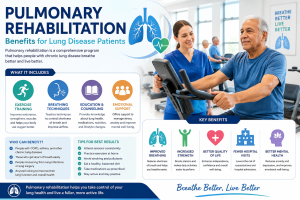
Read: Pulmonary Rehabilitation: Benefits for Lung Disease Patients
Conclusion
Breathing exercises are simple yet highly effective tools for improving lung capacity and respiratory health. They help strengthen the lungs, improve oxygen flow, reduce stress, and support better physical endurance.
Whether someone is managing a chronic lung condition or simply looking to improve overall wellness, incorporating breathing exercises into a daily routine can provide lasting health benefits. With regular practice and healthy lifestyle choices, better breathing and stronger lungs are achievable for people of all ages.