How Processed Foods Affect Long-Term Health
Processed foods have become a regular part of modern diets because they are convenient, affordable, and easy to prepare. From packaged snacks and sugary cereals to frozen meals and soft drinks, many people consume these products daily without fully understanding their effects. While occasional consumption may not cause immediate harm, regularly eating highly processed foods can gradually affect the body and increase the risk of serious health problems over time.
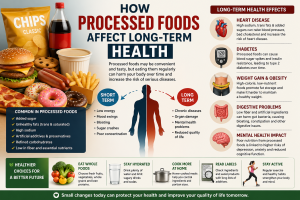
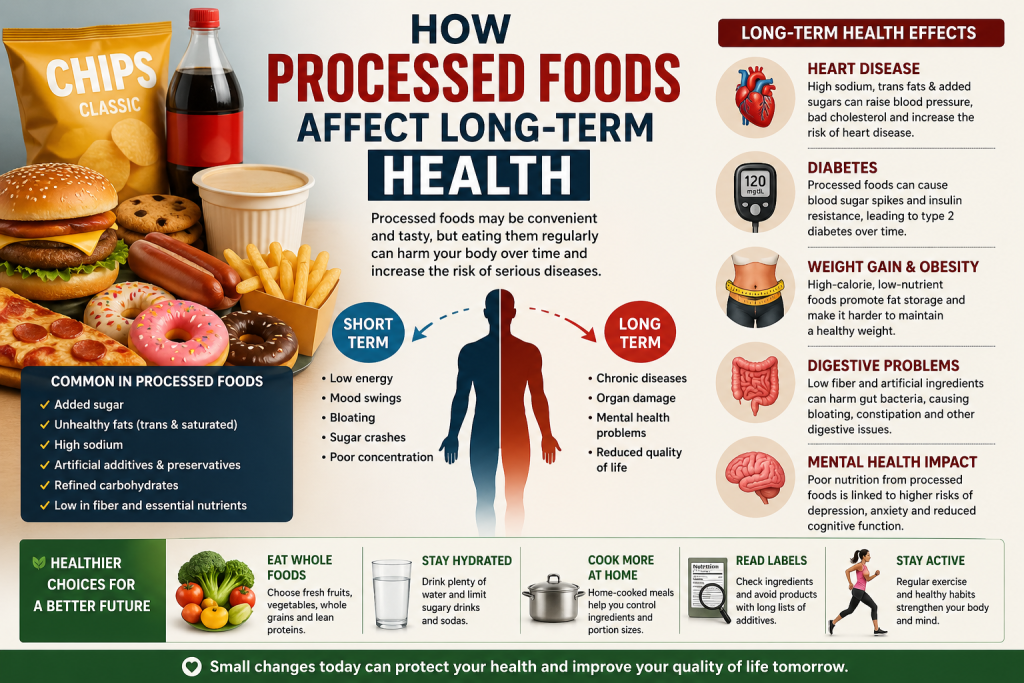
Processed foods often contain high amounts of added sugar, unhealthy fats, sodium, and artificial ingredients. These substances are used to improve taste, extend shelf life, and enhance appearance. However, excessive intake of these ingredients can place stress on the body’s organs. Diets high in sodium may contribute to high blood pressure, while too much added sugar can increase the risk of obesity and type 2 diabetes. Over time, these conditions can lead to more severe complications such as heart disease and kidney problems. Learn more
One major concern is the impact of processed foods on weight management. Many processed products are calorie-dense but low in essential nutrients. Because they are designed to be highly palatable, people often eat more than their bodies need. This can lead to gradual weight gain and metabolic changes that make it harder to maintain a healthy body weight. Excess body fat, especially around the abdomen, is associated with chronic inflammation and a greater risk of long-term disease.
Processed foods can also negatively affect digestive health. Many ultra-processed products lack dietary fiber, which is important for healthy digestion and maintaining beneficial gut bacteria. A diet low in fiber may cause constipation and disrupt the balance of the gut microbiome. Researchers now understand that poor gut health can influence immunity, mood, and even brain function. Regularly replacing fresh foods with processed alternatives may therefore affect more than just the digestive system.
Another long-term effect involves cardiovascular health. Highly processed meats, fried foods, and packaged snacks often contain trans fats and refined carbohydrates that can raise bad cholesterol levels. Over time, these changes can damage blood vessels and increase the risk of heart attack or stroke. Individuals who frequently consume processed foods may unknowingly develop health issues that remain silent for years before symptoms appear.
Mental health may also be influenced by diet. Studies suggest that diets rich in processed foods are linked with a higher risk of depression and anxiety. Artificial additives, blood sugar spikes, and nutrient deficiencies may affect brain function and emotional stability. Although food is not the only factor in mental health, consistent consumption of unhealthy foods may contribute to poor mood and reduced cognitive performance over time.
Children and teenagers may be especially vulnerable to the effects of processed foods. During growth and development, the body needs vitamins, minerals, and protein to support healthy organs and brain function. Diets dominated by fast food and packaged snacks can interfere with proper development and establish unhealthy eating patterns that continue into adulthood. This can create long-term health challenges later in life.
Reducing processed food intake does not mean eliminating convenience entirely. Choosing fresh fruits, vegetables, whole grains, lean proteins, and homemade meals more often can significantly improve long-term health. Reading food labels and limiting products with long ingredient lists can also help. Small dietary changes made consistently can protect the body and lower the risk of chronic disease in the future.
Read: The Health Effects of Skipping Breakfast Regularly
Conclusion
Processed foods may seem harmless in the short term, but frequent consumption can quietly damage health over time. From weight gain and heart disease to digestive problems and mental health concerns, the long-term effects can be serious. Making healthier food choices today can lead to better physical and mental well-being for years to come.