The Era of “Social Health”: Why Connection is the New Superfood
In recent years, we’ve obsessed over macro-nutrients, 10-step skincare routines, and hitting 10,000 steps. But in 2026, the wellness industry is pivoting toward a missing ingredient that no supplement can replace: Social Health.
While Physical Health is about your body and “Mental Health” is about your mind, Social Health is about the quality of your connections and how you integrate into your community. Here is why it’s the definitive lifestyle shift of the year.
1. Beyond the Screen: The Biological Need for “Presence”
We are more “connected” than ever via digital platforms, yet the loneliness epidemic persists. Research in 2026 shows that digital interactions often lack the sensory data, eye contact, physical proximity, and shared energy that triggers the release of oxytocin, the body’s natural stress-buffer.
- The Shift: Moving from “Social Media” (passive consumption) to “Social Living” (active participation).
- The Benefit: Real-world interaction has been shown to lower cortisol levels more effectively than solo meditation for many people Learn more.
2. “Group Flow”: The Power of Collective Movement
Individual gym sessions are being replaced by “Collective Movement.” Whether it’s a neighborhood walking club, a community dance class, or group stretching, there is a unique neurological phenomenon called Collective Effervescence.
- Why it works: When you move in sync with others, your brain rewards you with a heightened sense of belonging and “flow.” It turns a chore (exercise) into a social highlight.
- Try this: Find a local group that focuses on low-impact movement. The goal isn’t just the workout; it’s the conversation during the cool-down.
3. Micro-Communities: The “Third Place” Revival
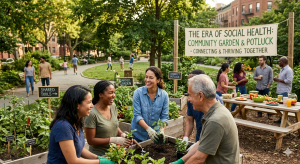
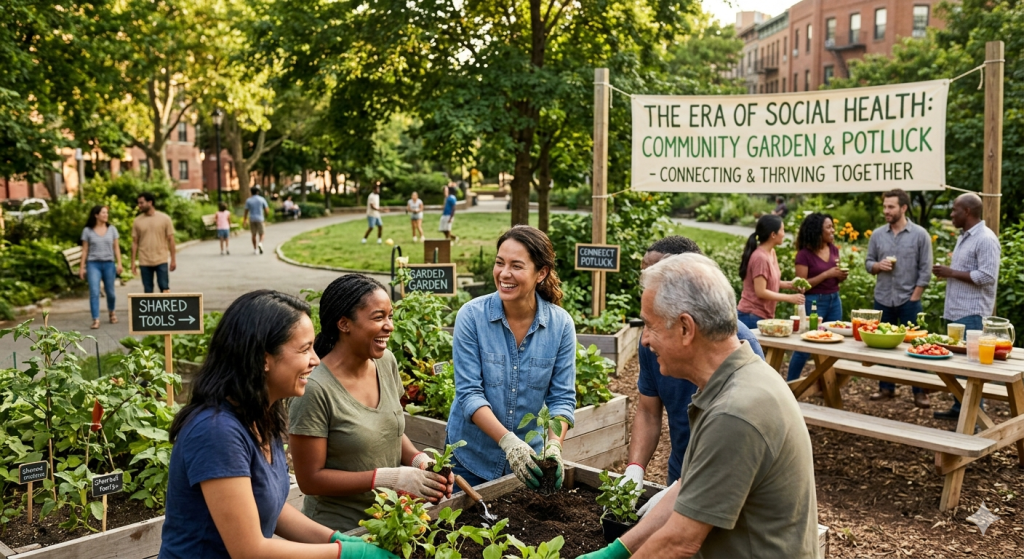
For a long time, life was lived between two places: Home and Work. “Social Health” relies on the Third Place—spots like local libraries, community gardens, or neighborhood hubs where you can exist without the pressure of being “productive” or “at home.”
- The Trend: People are intentionally seeking out “Micro-Communities” based on shared niche interests, from urban gardening to book swaps.
- The Impact: These spaces provide a sense of identity that isn’t tied to your job title or your family role.
4. Digital Boundaries for Social Success
Paradoxically, improving your social health often requires less time on your phone. In 2026, the most socially healthy individuals are those practicing intentional unavailability.
- The Strategy: Set “Phone-Free Zones” during social gatherings. By removing the distraction of notifications, you signal to others and your own nervous system that the person in front of you is the priority.
- The Result: Deeper conversations, better listening, and a genuine sense of being “seen.”
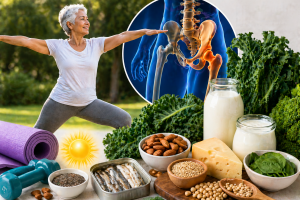
Read: Natural Ways to Strengthen Your Bones as You Age
Practical Tips to Boost Your Social Health Today:
- The “Plus One” Rule: Next time you go for a walk or visit a museum, invite one friend or neighbor.
- Volunteer Locally: Serving a common cause is the fastest way to build “Social Capital” and feel connected to your environment.
- Host a “Low-Stakes” Gathering: Don’t wait for a holiday. Invite people over for something simple, like a board game night or a potluck dinner.
The Bottom Line: You can eat all the kale in the world and sleep eight hours a night, but if you are socially isolated, your health will reflect it. In 2026, the ultimate flex isn’t a solo marathon it’s a thriving, supportive community.