The Health Effects of Skipping Breakfast Regularly
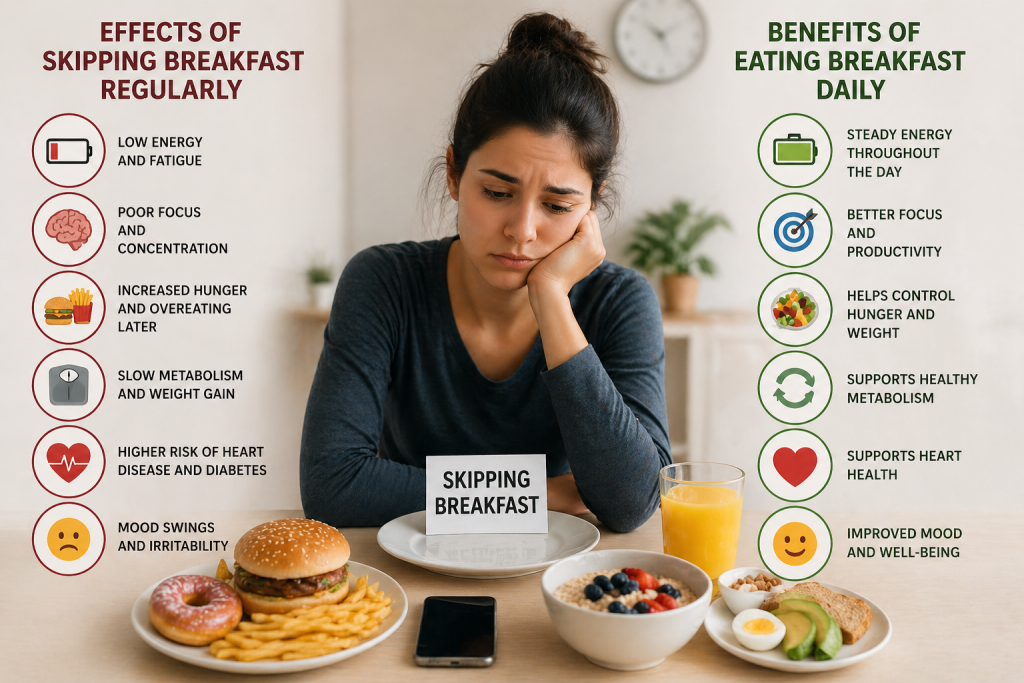
Breakfast is often described as the most important meal of the day because it provides the body with energy after several hours of overnight fasting. When people regularly skip breakfast, the body may struggle to restore glucose levels needed for normal brain and muscle function. Although some individuals skip breakfast to save time or reduce calorie intake, doing so consistently can have negative effects on overall health. The body depends on a steady supply of nutrients in the morning to support physical and mental performance throughout the day.
One of the immediate effects of skipping breakfast is reduced energy and poor concentration. After a long night without food, blood sugar levels can be low in the morning. Without breakfast, the brain may not receive enough glucose to function at its best. This can lead to fatigue, irritability, difficulty focusing, and lower productivity. Students and workers who miss breakfast regularly may notice that they feel tired earlier in the day and find it harder to stay mentally alert. Learn more
Regularly missing breakfast can also affect eating habits later in the day. People who skip breakfast often become excessively hungry before lunch, leading them to overeat or choose unhealthy snacks. This can increase cravings for sugary foods and processed carbohydrates that cause sudden blood sugar changes. Instead of reducing calorie intake, skipping breakfast may actually contribute to consuming more calories later. Over time, this pattern can make weight management more difficult and increase the risk of unhealthy eating behaviors.
Another important effect is the impact on metabolism. Skipping breakfast may slow the body’s ability to regulate blood sugar and insulin properly. Some studies suggest that people who regularly miss breakfast may have a higher risk of developing insulin resistance, obesity, and type 2 diabetes. When the body repeatedly goes without food for long periods, it can alter how it processes glucose and stores fat. This can gradually affect long-term metabolic health even in otherwise healthy individuals.
Heart health may also be influenced by breakfast habits. Research has linked regular breakfast skipping with higher levels of bad cholesterol, increased blood pressure, and greater inflammation in the body. These factors can raise the risk of cardiovascular disease over time. While breakfast alone does not determine heart health, consistently missing it may contribute to unhealthy patterns that affect the circulatory system. A balanced morning meal can support healthier blood pressure and better overall heart function.
Skipping breakfast can also affect mood and emotional wellbeing. Low blood sugar in the morning may trigger stress hormones that increase feelings of anxiety or irritability. Some people become more easily frustrated or emotionally sensitive when they have not eaten. Over time, poor morning nutrition can influence daily mood and reduce emotional balance. Eating a nutritious breakfast can help support stable energy and improve mental wellbeing throughout the day.
Read: Blood Sugar Spikes in Non-Diabetics: Why It Matters
Conclusion
Skipping breakfast regularly may seem harmless, but it can affect energy, concentration, metabolism, heart health, and mood. Missing the first meal of the day can lead to overeating later and may increase the risk of long-term health problems. Choosing a balanced breakfast that includes protein, fiber, and healthy fats can help the body function better throughout the day. Developing a healthy breakfast habit can be a simple step toward improving overall wellness and maintaining better long-term health.