Postpartum Travel: When Is It Safe to Travel After Childbirth?
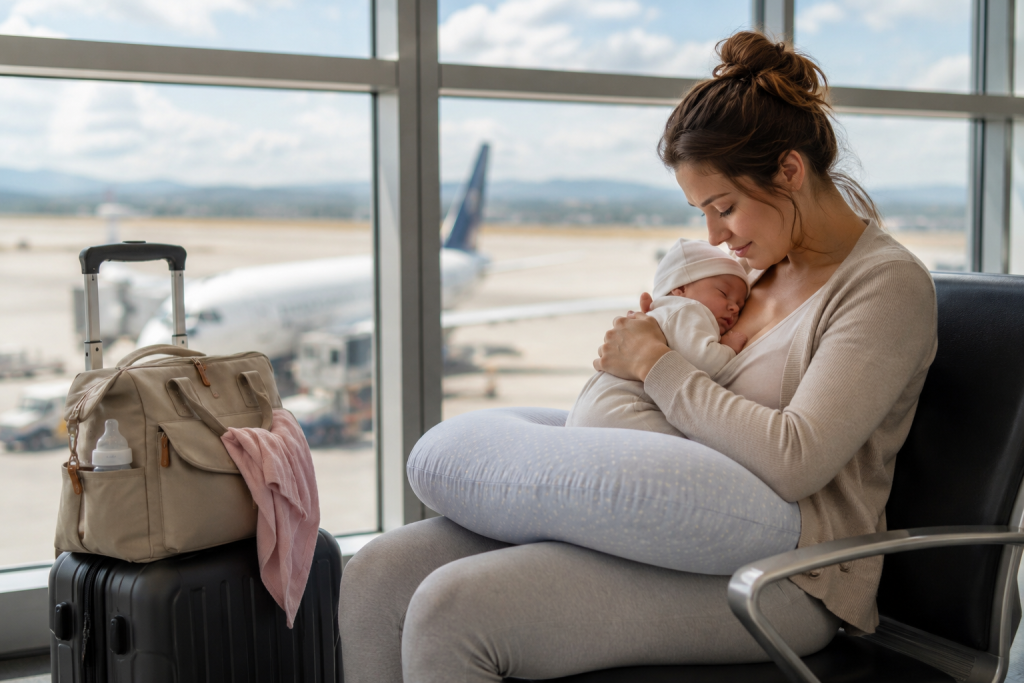
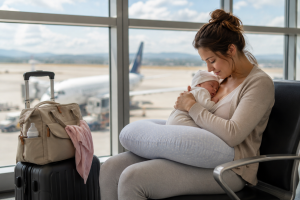
Welcoming a new baby is a life-changing experience, and many new mothers may find themselves needing or wanting to travel shortly after giving birth. Whether it’s visiting family, relocating, attending important events, or taking a well-deserved break, postpartum travel requires careful planning. Understanding when it is safe to travel after childbirth can help protect both mother and baby while ensuring a comfortable journey.
Understanding the Postpartum Recovery Period
The postpartum period, often referred to as the “fourth trimester,” begins immediately after childbirth and typically lasts about six weeks. During this time, a woman’s body undergoes significant physical and hormonal changes as it recovers from pregnancy and delivery.
Recovery varies from person to person and depends on several factors, including:
- Whether the birth was vaginal or cesarean
- Presence of delivery complications
- Overall maternal health
- Physical recovery progress
- Emotional well-being
Because every recovery is different, there is no universal timeline for postpartum travel.
When Is It Generally Safe to Travel?
After a Vaginal Birth
Women who experience uncomplicated vaginal deliveries may be able to travel short distances within a few weeks after birth if they feel physically well. However, healthcare providers often recommend waiting until after the first postpartum checkup before undertaking long-distance travel.
After a Cesarean Section
A cesarean section is major abdominal surgery. Recovery usually takes longer, and travel may need to be postponed until the incision has healed adequately and mobility has improved. Most healthcare providers recommend waiting at least four to six weeks before long-distance travel unless medically necessary.
Factors to Consider Before Traveling
Maternal Recovery
Before planning a trip, assess your physical condition. Common postpartum symptoms that may affect travel include:
- Fatigue
- Vaginal bleeding (lochia)
- Perineal discomfort
- Surgical incision pain
- Breast tenderness
- Back pain
Traveling while still experiencing significant discomfort may make the journey more challenging. Learn more
Baby’s Health and Age
Newborns have developing immune systems and may be more vulnerable to infections, especially during the first few weeks of life. Discuss travel plans with your pediatrician to ensure your baby is healthy enough for the trip.
Access to Healthcare
Consider whether healthcare services will be readily available at your destination, especially if you or your baby require ongoing medical care.
Air Travel After Childbirth
Many airlines allow mothers and infants to fly within a few weeks of birth, although policies vary. Some airlines may require medical clearance for newborns or mothers who recently delivered.
Before flying:
- Confirm airline regulations
- Consult your healthcare provider
- Carry medical records if needed
- Stay hydrated during the flight
- Walk periodically to reduce the risk of blood clots
Women who recently underwent cesarean delivery or experienced complications should obtain medical advice before flying.
Road Trips and Car Travel
Car travel may be easier to manage than air travel during the postpartum period. However, long journeys can still present challenges.
Helpful tips include:
- Taking frequent breaks
- Stretching regularly
- Staying hydrated
- Allowing time for feeding and diaper changes
- Avoiding excessively long travel days
Signs You Should Delay Travel
You may need to postpone travel if you experience:
- Heavy bleeding
- Fever
- Severe pain
- Signs of infection
- Dizziness or fainting
- High blood pressure complications
- Significant postpartum depression or anxiety symptoms
These conditions require prompt medical attention and may make travel unsafe.
Preparing for Postpartum Travel
Pack Essential Supplies
For mothers:
- Medications
- Maternity pads
- Comfortable clothing
- Water bottle
- Healthy snacks
For babies:
- Diapers
- Wipes
- Formula or feeding supplies
- Extra clothing
- Baby blanket
- Infant medications if prescribed
Plan for Rest
Avoid overloading your itinerary. New mothers often underestimate how much rest they still need during recovery.
Practice Good Hygiene
Frequent handwashing and sanitizing can help reduce exposure to germs, particularly in crowded airports, train stations, or public transportation.
Benefits of Waiting Before Traveling
Delaying travel for several weeks after childbirth allows:
- Better physical recovery
- Establishment of feeding routines
- Improved sleep patterns
- Stronger immune protection for the baby
- Reduced stress for both mother and infant
Giving yourself adequate time to recover can make future travel more enjoyable and less physically demanding.
Read more: How Different Time Zones Can Affect Your Menstrual Cycle
Conclusion
The safest time to travel after childbirth depends on your recovery, the type of delivery you had, your baby’s health, and your healthcare provider’s recommendations. While some mothers may be able to travel within a few weeks after an uncomplicated birth, others may need additional recovery time. Prioritizing your health, planning carefully, and consulting healthcare professionals can help ensure a safe and comfortable postpartum travel experience for both you and your baby.