Common Eye Allergies and How to Manage Them
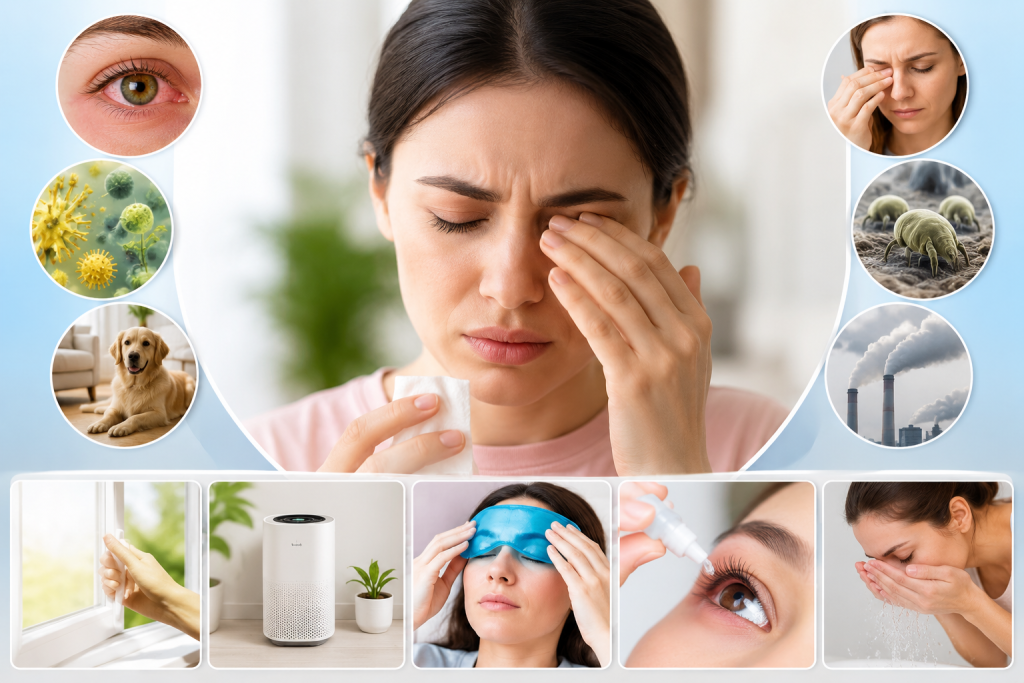
Eye allergies are a common condition that affects millions of people worldwide. They occur when the eyes react to allergens such as pollen, dust, pet dander, mold, or certain chemicals. While eye allergies are usually not serious, they can cause significant discomfort and interfere with daily activities. Understanding the causes, symptoms, and management strategies can help individuals keep their eyes healthy and comfortable throughout the year.
What Are Eye Allergies?
Eye allergies, also known as allergic conjunctivitis, occur when the immune system overreacts to a normally harmless substance. When allergens come into contact with the eyes, the body releases histamines and other chemicals that trigger inflammation, redness, and irritation.
Unlike bacterial or viral eye infections, eye allergies are not contagious. However, they can be persistent, especially during allergy seasons or in environments with high allergen exposure. Learn more
Common Types of Eye Allergies
Seasonal Allergic Conjunctivitis
This is the most common type of eye allergy and is typically triggered by airborne allergens such as pollen from trees, grasses, and weeds. Symptoms often worsen during spring, summer, or fall when pollen counts are high.
Perennial Allergic Conjunctivitis
Unlike seasonal allergies, perennial allergic conjunctivitis can occur year-round. Common triggers include dust mites, pet dander, mold spores, and indoor pollutants.
Contact Allergic Conjunctivitis
This type develops when the eyes react to substances that come into direct contact with them, such as contact lens solutions, cosmetics, eye drops, or other personal care products.
Giant Papillary Conjunctivitis
Often associated with contact lens wear, giant papillary conjunctivitis occurs when the inside of the eyelid becomes irritated due to prolonged contact with lenses or artificial eye implants.
Symptoms of Eye Allergies
Eye allergy symptoms can vary from mild to severe and may affect one or both eyes. Common symptoms include:
- Red or bloodshot eyes
- Itchy eyes
- Excessive tearing
- Burning or stinging sensation
- Swollen eyelids
- Watery discharge
- Sensitivity to light
- Feeling of grit or sand in the eyes
Many people also experience nasal allergy symptoms such as sneezing, runny nose, and congestion alongside eye irritation.
Common Triggers of Eye Allergies
Identifying triggers is one of the most effective ways to manage eye allergies. Common allergens include:
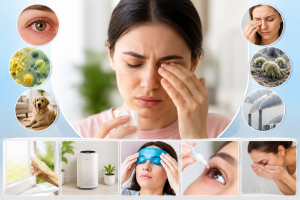
- Pollen from trees, grass, and weeds
- Dust mites
- Pet hair and dander
- Mold spores
- Cigarette smoke
- Air pollution
- Perfumes and fragrances
- Certain cosmetics
- Contact lens solutions
Keeping track of when symptoms occur can help pinpoint specific triggers.
How to Manage Eye Allergies
Avoid Exposure to Allergens
The first step in managing eye allergies is reducing contact with the substances causing the reaction.
Helpful strategies include:
- Keeping windows closed during high-pollen seasons
- Using air conditioning and air purifiers
- Washing bedding regularly in hot water
- Vacuuming frequently with a HEPA filter
- Keeping pets out of bedrooms
- Avoiding smoky environments
Avoid Rubbing Your Eyes
Although itching can be intense, rubbing the eyes can worsen symptoms by releasing more histamines and increasing inflammation.
Use Cold Compresses
Applying a clean, cold compress over closed eyelids can help reduce swelling, itching, and redness. This simple remedy often provides quick relief.
Artificial Tears
Lubricating eye drops can help wash allergens from the eye surface and reduce irritation. Preservative-free artificial tears are often recommended for frequent use.
Allergy Eye Drops
Over-the-counter or prescription allergy eye drops may help control symptoms. Some drops contain antihistamines or mast cell stabilizers that reduce allergic reactions and inflammation.
Always follow the instructions provided by your healthcare provider or pharmacist.
Manage Environmental Allergies
If you suffer from seasonal allergies, managing overall allergy symptoms can improve eye comfort. This may include allergy medications prescribed by a healthcare professional.
Special Considerations for Contact Lens Wearers
People who wear contact lenses may experience increased irritation during allergy seasons. To reduce discomfort:
- Wear glasses on high-allergen days
- Clean and replace lenses as recommended
- Consider daily disposable lenses
- Use allergy-friendly contact lens solutions
- Remove lenses if symptoms become severe
Consult an eye care professional if discomfort persists.
When to See an Eye Doctor
While eye allergies are usually manageable, medical attention may be needed if you experience:
- Severe eye pain
- Significant vision changes
- Persistent redness
- Thick yellow or green discharge
- Extreme light sensitivity
- Symptoms that do not improve with treatment
These signs may indicate an infection or another eye condition requiring professional evaluation.
Preventing Future Eye Allergy Flare-Ups
Prevention is often easier than treatment. Consider these long-term strategies:
- Monitor local pollen forecasts
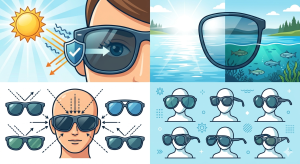
- Wear sunglasses outdoors to reduce allergen exposure
- Wash your face and hands after spending time outside
- Shower before bedtime during allergy season
- Replace old eye makeup regularly
- Maintain a clean indoor environment
Consistent preventive measures can significantly reduce the frequency and severity of eye allergy symptoms.
Read: How to Maintain Fresh Breath All Day Naturally
Conclusion
Eye allergies are a common but manageable condition that can cause itching, redness, watering, and discomfort. By identifying triggers, minimizing allergen exposure, and using appropriate treatments, most people can effectively control their symptoms and protect their eye health. Regular eye examinations and prompt medical attention for severe symptoms can help ensure clear vision and lasting comfort throughout the year.