How to Strengthen Weak Ankles After Injury

Weak ankles after an injury are a common problem, especially after sprains, ligament damage, or periods of immobilization. If not properly strengthened, the ankle can remain unstable, increasing the risk of repeated injuries. The good news is that with the right recovery approach, ankle strength, balance, and stability can be fully restored over time.
Understanding Weak Ankles After Injury
The ankle joint is supported by ligaments, tendons, and muscles that work together to provide stability. When an injury such as a sprain occurs, these structures may become stretched or weakened.
As a result, you may experience:
- Instability when walking or standing
- Frequent “rolling” of the ankle
- Pain or stiffness
- Reduced balance and coordination
- Swelling after activity
Without proper rehabilitation, these symptoms may persist long after the initial injury heals. Learn more
Why Strengthening the Ankle Is Important
Strengthening weak ankles is essential because it helps:
- Prevent repeated sprains
- Improve balance and coordination
- Restore normal walking and movement patterns
- Support sports performance
- Reduce long-term joint damage
A stable ankle also helps protect the knees, hips, and lower back from compensatory stress.
Best Ways to Strengthen Weak Ankles After Injury
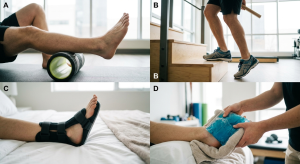
1. Start With Gentle Range of Motion Exercises
Before strengthening, it is important to restore mobility in the ankle joint.
Helpful exercises include:
- Ankle circles
- Drawing the alphabet with your toes
- Up-and-down foot movements
These exercises improve flexibility and reduce stiffness.
2. Strengthening Exercises for the Ankle
Once pain reduces, strengthening exercises should be introduced gradually.
Effective exercises include:
- Toe raises: Lift your heels while standing
- Heel walks: Walk on your heels to activate ankle muscles
- Resistance band exercises: Push and pull the foot in different directions
- Calf raises: Strengthen the calf and Achilles tendon
These exercises help rebuild muscle support around the ankle.
3. Balance and Stability Training
Balance training is one of the most important steps in ankle recovery.
Examples:
- Standing on one leg
- Using a balance board
- Standing on an unstable surface (like a cushion)
- Eyes-closed balance practice
Improving balance helps retrain the brain and muscles to stabilize the ankle properly.
4. Strengthen Surrounding Muscles
Weak ankles are often supported by strengthening the entire lower leg.
Focus on:
- Calf muscles
- Shin muscles (tibialis anterior)
- Foot muscles
Stronger surrounding muscles reduce pressure on the ankle joint.
5. Use Proper Footwear
Wearing the right shoes plays a major role in recovery.
Look for:
- Good arch support
- Firm heel support
- Cushioned soles
- Proper fit
Avoid flat or worn-out shoes that reduce stability.
6. Apply Ice and Manage Swelling
If swelling persists after activity, ice therapy can help.
Ice benefits:
- Reduces inflammation
- Relieves pain
- Speeds up recovery after exercise
Apply ice for 15–20 minutes after activity if needed.
7. Gradual Return to Physical Activity
Returning to sports or intense activity too quickly can cause re-injury.
You are ready to progress when:
- Pain is minimal or gone
- Balance has improved
- Strength has returned
- Walking feels stable
Start slowly and increase intensity over time.
8. Improve Proprioception (Body Awareness)
Proprioception is the body’s ability to sense movement and position.
Training includes:
- Balancing on uneven surfaces
- Quick direction changes
- Reaction-based movement drills
This helps prevent future ankle sprains.
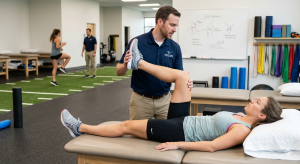
9. Manual Therapy and Professional Support
In some cases, professional treatment may be needed.
Options include:
- Joint mobilization
- Massage therapy
- Guided rehabilitation programs
- Physical therapy exercises
These treatments help speed up recovery and improve function.
10. Prevent Future Ankle Injuries
Prevention is key after recovery.
Tips include:
- Always warm up before exercise
- Strengthen ankles regularly
- Avoid uneven surfaces when possible
- Wear supportive footwear
- Maintain good balance training
Consistency helps keep the ankles strong long-term.
When to See a Doctor
Seek medical help if you experience:
- Ongoing instability
- Severe or recurring pain
- Frequent ankle rolling
- Swelling that does not improve
- Difficulty bearing weight
Early treatment can prevent chronic instability.
Read: How Exercise Therapy Improves Athletic Performance and Flexibility
Conclusion
Strengthening weak ankles after injury requires a combination of mobility work, strengthening exercises, balance training, and proper care. With consistent effort, most people can fully restore ankle stability and prevent future injuries. The key is gradual progression, patience, and regular practice of targeted exercises.