How Exercise Therapy Improves Athletic Performance and Flexibility
Athletes and physically active individuals constantly look for ways to improve strength, endurance, flexibility, and overall performance. One effective approach that supports both recovery and physical conditioning is exercise therapy. Through structured movement programs and targeted exercises, exercise therapy helps improve athletic ability, reduce injury risk, and increase flexibility for better movement and performance.
What Is Exercise Therapy?
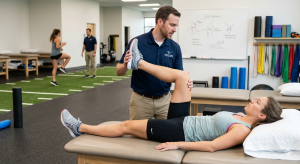
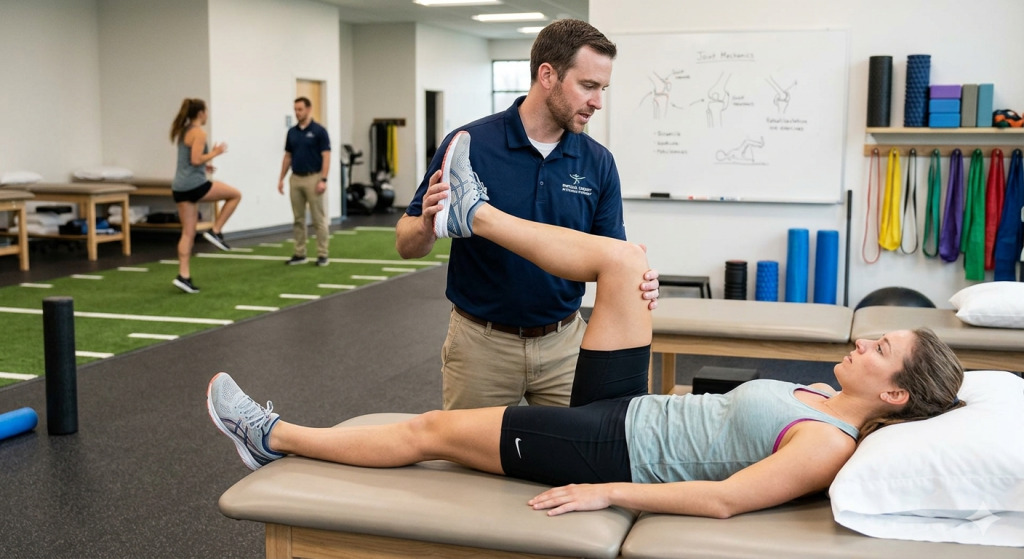
Exercise therapy is a planned program of physical activities designed to improve movement, strength, flexibility, balance, and overall body function. These exercises are often customized based on an individual’s fitness level, goals, and physical condition.
Exercise therapy is commonly used for:
- Injury recovery
- Sports performance improvement
- Muscle strengthening
- Flexibility enhancement
- Balance and coordination training
- Pain management
Athletes often include exercise therapy in their training routines to maintain peak performance. Learn more
The Importance of Athletic Performance
Athletic performance depends on several physical factors, including:
- Muscle strength
- Endurance
- Speed
- Flexibility
- Coordination
- Balance
- Reaction time
Weakness in any of these areas can affect overall performance and increase the likelihood of injury.
Exercise therapy focuses on improving these physical abilities through safe and controlled movement.
How Exercise Therapy Improves Athletic Performance
1. Increases Muscle Strength
Strong muscles provide better support for joints and improve movement efficiency during sports and physical activities.
Strength-focused exercises may include:
- Resistance training
- Bodyweight exercises
- Core strengthening routines
- Stability exercises
Improved muscle strength often leads to better speed, power, and endurance.
2. Enhances Flexibility
Flexibility is essential for smooth movement and injury prevention. Tight muscles and stiff joints can limit athletic ability and reduce range of motion.
Stretching exercises in exercise therapy help:
- Improve mobility
- Reduce muscle tension
- Increase joint flexibility
- Improve posture and movement patterns
Flexible muscles often allow athletes to move more efficiently and comfortably.
3. Improves Balance and Coordination
Many sports require precise body control and coordination. Exercise therapy often includes balance training to improve body awareness and stability.
Examples include:
- Single-leg balance exercises
- Stability ball exercises
- Agility drills
- Coordination movements
Better balance can improve sports performance and lower the risk of falls and injuries.
4. Boosts Endurance and Stamina
Exercise therapy programs may include cardiovascular conditioning exercises that improve heart and lung function.
Benefits of improved endurance include:
- Increased energy levels
- Reduced fatigue during activity
- Better overall athletic performance
Endurance training helps athletes maintain performance for longer periods.
5. Reduces Risk of Sports Injuries
Injury prevention is one of the major benefits of exercise therapy. Weak muscles, poor flexibility, and improper movement patterns often contribute to injuries.
Exercise therapy may help prevent:
- Muscle strains
- Ligament sprains
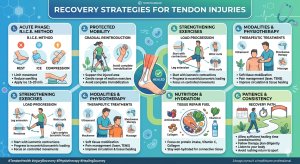
- Tendon injuries
- Joint instability
- Overuse injuries
Proper conditioning keeps the body more prepared for physical demands.
6. Supports Faster Recovery After Exercise
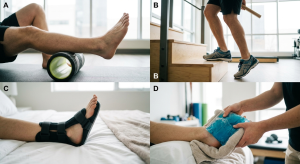
Intense physical activity can place stress on muscles and joints. Recovery exercises help reduce soreness and support muscle repair.
Recovery-focused exercise therapy may include:
- Gentle stretching
- Mobility exercises
- Low-impact movements
- Relaxation techniques
Proper recovery helps athletes return to training safely.
7. Improves Posture and Body Mechanics
Correct posture and movement patterns improve efficiency during sports and exercise.
Exercise therapy helps athletes:
- Correct muscle imbalances
- Improve spinal alignment
- Enhance movement control
- Reduce unnecessary strain on joints
Efficient movement often improves athletic performance while lowering injury risk.
Best Types of Exercises for Flexibility and Performance
Different exercise types target specific athletic goals.
Stretching Exercises
These help lengthen muscles and improve mobility.
Examples:
- Hamstring stretches
- Shoulder stretches
- Hip flexor stretches
Strength Training Exercises
These improve muscle power and stability.
Examples:
- Squats
- Lunges
- Push-ups
- Resistance band exercises
Balance and Stability Exercises
These improve coordination and body control.
Examples:
- Plank exercises
- Single-leg stands
- Bosu ball exercises
Aerobic Conditioning Exercises
These improve cardiovascular endurance.
Examples:
- Walking
- Running
- Cycling
- Swimming
Combining multiple exercise styles often provides the best results.
Importance of Warm-Up and Cool-Down
Warm-up and cool-down routines are important parts of exercise therapy.
Warm-Up Benefits:
- Increases blood flow
- Prepares muscles for activity
- Reduces injury risk
Cool-Down Benefits:
- Helps muscles relax
- Reduces stiffness
- Supports recovery
Skipping these steps may increase the risk of muscle strain.
Nutrition and Hydration for Better Performance
Exercise therapy works best when combined with proper nutrition and hydration.
Athletes should focus on:
- Protein for muscle repair
- Healthy carbohydrates for energy
- Fruits and vegetables for vitamins and minerals
- Adequate water intake
Good nutrition supports both performance and recovery.
When to Seek Professional Guidance
Professional supervision may be necessary for:
- Persistent pain during exercise
- Previous injuries
- Poor balance or coordination
- Limited flexibility
- Sports-specific training goals
Guided exercise programs help ensure safety and effectiveness.
Read: Recovery Tips After a Slip and Fall Accident
Conclusion
Exercise therapy is an effective way to improve athletic performance, flexibility, strength, balance, and endurance. By using targeted exercises and structured movement programs, athletes can enhance performance while reducing the risk of injuries. Consistency, proper technique, good nutrition, and adequate recovery all contribute to better physical conditioning and long-term athletic success.