Understanding Dry Needling for Pain Relief
Pain from muscle tension, injuries, or overuse can affect daily life, movement, and overall well-being. One treatment method that has gained attention in modern rehabilitation is dry needling. It is commonly used to relieve muscular pain, improve mobility, and support recovery from various musculoskeletal conditions.
What Is Dry Needling?
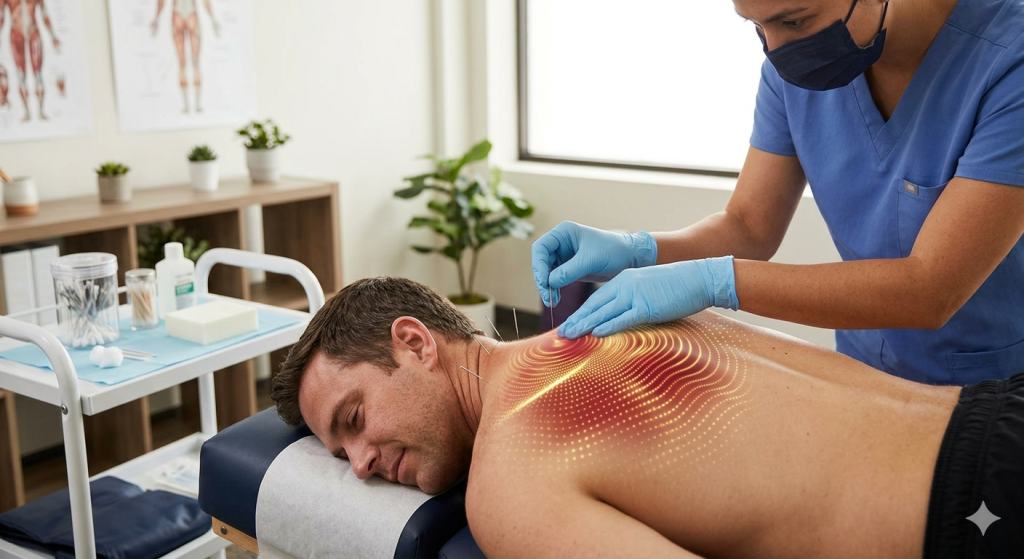
Dry needling is a therapeutic technique that involves inserting very thin, sterile needles into specific points in the muscle known as trigger points. These trigger points are tight bands of muscle fibers that can cause pain, stiffness, and restricted movement.
Unlike acupuncture, which is based on traditional Chinese medicine, dry needling is rooted in modern medical science and focuses on musculoskeletal pain and dysfunction.
How Dry Needling Works
Dry needling targets trigger points that are often responsible for localized or referred pain. When the needle is inserted into the muscle, it helps stimulate a response that can:
- Release tight muscle knots
- Improve blood flow
- Reduce inflammation
- Restore normal muscle function
- Interrupt pain signals
Some patients may experience a brief twitch response in the muscle, which is considered a normal reaction.
Conditions Treated with Dry Needling
Dry needling is commonly used for a variety of musculoskeletal problems, including:
- Neck and shoulder pain
- Lower back pain
- Sports injuries
- Tennis elbow
- Muscle spasms
- Headaches caused by muscle tension
- Knee and hip pain
- Myofascial pain syndrome
It is often used alongside other rehabilitation treatments for better results. Learn more
Benefits of Dry Needling for Pain Relief
1. Reduces Muscle Pain and Tightness
Dry needling helps relax tight muscle bands that cause discomfort and stiffness. Many patients experience immediate or gradual pain relief after treatment.
2. Improves Range of Motion
When muscles are tight, movement becomes limited. By releasing trigger points, dry needling can improve flexibility and joint mobility.
3. Enhances Blood Circulation
Improved blood flow helps deliver oxygen and nutrients to damaged tissues, supporting faster healing.
4. Speeds Up Recovery From Injuries
Dry needling can help reduce recovery time by addressing deep muscle dysfunction that may not respond to exercise alone.
5. Reduces Headaches and Referred Pain
Muscle tightness in the neck and upper back can cause tension headaches. Dry needling helps reduce these trigger points, relieving headache symptoms.
What to Expect During Treatment
During a dry needling session, a trained professional will:
- Assess the painful area
- Identify trigger points
- Insert thin needles into targeted muscles
- Gently stimulate the muscle response
- Remove the needles after a short period
The procedure is usually quick and may cause mild discomfort, but it is generally well tolerated.
Does Dry Needling Hurt?
Most people feel only a slight pinch when the needle is inserted. Some may experience a muscle twitch or mild soreness afterward, similar to post-exercise fatigue. This usually disappears within 24 to 48 hours.
Possible Side Effects
Dry needling is considered safe when performed by trained professionals. However, mild side effects may include:
- Temporary soreness
- Minor bruising
- Fatigue
- Mild bleeding at insertion points
Serious complications are rare.
Aftercare Tips
To get the best results after dry needling, patients are often advised to:
- Stay hydrated
- Perform gentle stretching
- Avoid intense exercise for 24 hours
- Apply heat if soreness occurs
- Follow prescribed rehabilitation exercises
Proper aftercare enhances treatment effectiveness.
Who Should Avoid Dry Needling?
Dry needling may not be suitable for everyone. It may be avoided in:
- Pregnant individuals (in certain areas)
- People with bleeding disorders
- Patients with needle phobia
- Individuals with skin infections at treatment sites
A healthcare professional will determine suitability.
Dry Needling vs Acupuncture
While both techniques use thin needles, they differ in purpose:
- Dry needling focuses on muscle trigger points and pain relief
- Acupuncture is based on energy pathways and traditional medicine
Both may provide pain relief, but they are based on different principles.
Read: How Exercise Therapy Improves Athletic Performance and Flexibility
Conclusion
Dry needling is an effective treatment option for relieving muscle pain, improving mobility, and supporting recovery from various musculoskeletal conditions. When combined with exercise and rehabilitation programs, it can help restore function and reduce discomfort. Although it may not be suitable for everyone, many patients experience significant benefits when it is used as part of a comprehensive pain management plan.