How Gut Health Impacts Mental Health and Mood
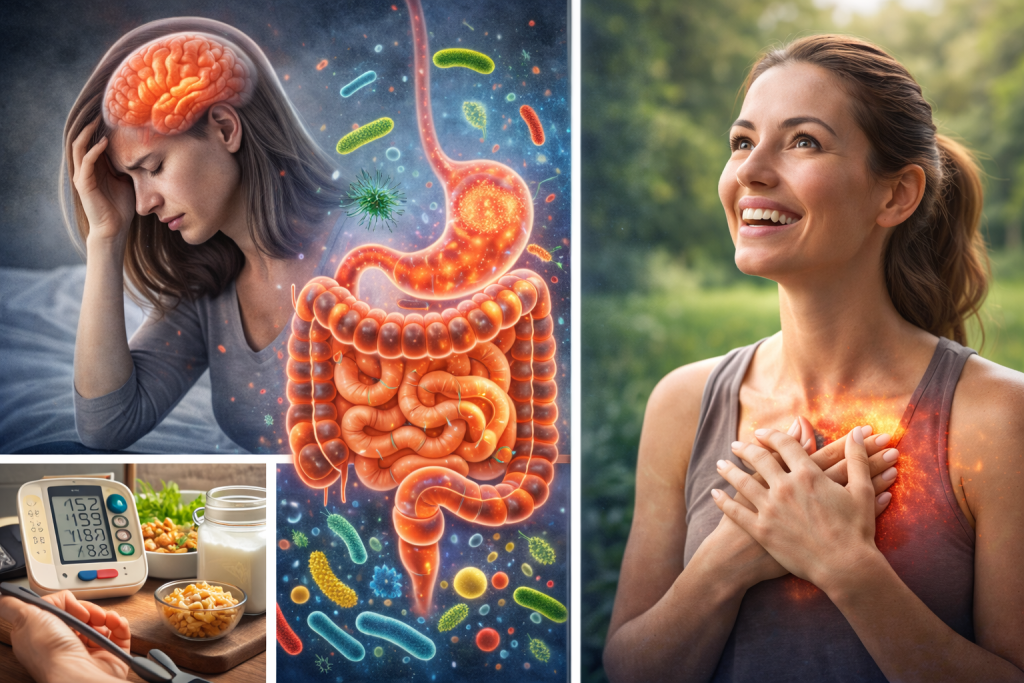
In recent years, researchers have discovered a powerful connection between the digestive system and the brain. This relationship, often called the “gut-brain axis,” shows that your gut health does far more than just digest food, it can directly influence your mood, emotions, stress levels, and even mental health conditions like anxiety and depression.
Understanding how gut health impacts mental health and mood can help you make better lifestyle choices that support both your physical and emotional well-being.
What Is Gut Health?
Gut health refers to the balance and proper functioning of microorganisms living in your digestive tract. These microorganisms are known as the gut microbiome and include:
- Bacteria
- Fungi
- Viruses
- Other microbes
A healthy gut has a balanced variety of “good” and “bad” bacteria that work together to support digestion, immunity, and brain function.
When this balance is disrupted, it can lead to inflammation, digestive problems, and even emotional changes. Learn more
The Gut-Brain Connection Explained
The gut and brain are closely linked through multiple pathways, including:
- The vagus nerve (a major communication highway between gut and brain)
- Hormones
- Immune system signals
- Neurotransmitters
This means your gut can send signals to your brain and your brain can also affect your gut.
For example, stress can upset your stomach, while gut imbalance can increase anxiety or low mood.
How Gut Health Impacts Mental Health and Mood
1. Production of “Feel-Good” Chemicals
One of the most important roles of the gut is producing neurotransmitters chemicals that affect mood.
About 90% of serotonin, a key hormone that stabilizes mood and happiness, is produced in the gut.
When gut bacteria are healthy, they help produce:
- Serotonin (happiness and calmness)
- Dopamine (motivation and reward)
- GABA (relaxation and reduced anxiety)
Poor gut health can disrupt these chemicals, leading to mood swings and emotional instability.
2. Increased Anxiety and Stress
An unhealthy gut can send distress signals to the brain, increasing stress responses.
This may result in:
- Anxiety
- Nervousness
- Irritability
- Panic feelings
- Sleep disturbances
When gut bacteria are imbalanced, the body may produce more stress hormones like cortisol, which affects emotional stability.
3. Depression and Low Mood
Studies show a strong link between poor gut health and depression.
Inflammation in the gut can affect brain function and reduce the production of mood-regulating chemicals.
Common effects include:
- Persistent sadness
- Lack of motivation
- Fatigue
- Emotional numbness
This does not mean gut issues are the only cause of depression, but they can contribute significantly.
4. Brain Fog and Poor Focus
When the gut is unhealthy, inflammation and poor nutrient absorption can affect brain performance.
This may lead to:
- Difficulty concentrating
- Memory problems
- Mental fatigue
- Slower thinking
A healthy gut supports clearer thinking and better cognitive performance.
What Causes Poor Gut Health?
Several factors can damage gut balance, including:
- Unhealthy diet (high sugar, processed foods)
- Excess antibiotics use
- Chronic stress
- Lack of sleep
- Alcohol consumption
- Low fiber intake
These habits reduce beneficial bacteria and increase harmful microbes.
Foods That Improve Gut and Mental Health
A gut-friendly diet can significantly improve mood and brain function.
Best foods include:
- Yogurt and kefir (probiotics)
- Fermented foods like kimchi and sauerkraut
- Fruits and vegetables (fiber-rich)
- Whole grains
- Nuts and seeds
- Legumes
These foods help increase good bacteria and support neurotransmitter production.
Lifestyle Habits That Support Gut and Mental Health
1. Manage Stress
Stress negatively affects gut bacteria. Practices like meditation, prayer, and deep breathing can help.
2. Get Enough Sleep
Poor sleep disrupts gut balance and mood regulation.
3. Exercise Regularly
Physical activity increases beneficial gut bacteria and reduces anxiety.
4. Stay Hydrated
Water helps digestion and supports microbial balance.
The Role of Probiotics and Prebiotics
- Probiotics are live beneficial bacteria found in foods and supplements
- Prebiotics are fibers that feed good bacteria
Together, they help restore gut balance and improve emotional well-being.
Can Improving Gut Health Improve Mental Health?
Yes, many studies suggest that improving gut health can:
- Reduce anxiety symptoms
- Improve mood stability
- Enhance focus and memory
- Support emotional resilience
However, gut health is just one part of mental health, and severe conditions should always be treated professionally.
When to Seek Medical Help
You should consult a healthcare provider if you experience:
- Persistent depression
- Severe anxiety
- Chronic digestive issues
- Sudden mood changes
A doctor can help identify whether gut-related issues or other conditions are involved.
Read: Why Young Adults Are Increasingly Developing Heart Disease
Conclusion
The connection between gut and brain health is powerful and increasingly supported by scientific research. How gut health impacts mental health and mood depends largely on the balance of bacteria in your digestive system. When your gut is healthy, your brain benefits from better mood regulation, reduced anxiety, and improved focus.
By eating a balanced diet, managing stress, and adopting healthy lifestyle habits, you can support both your gut and your mental well-being at the same time.