How Different Time Zones Can Affect Your Menstrual Cycle
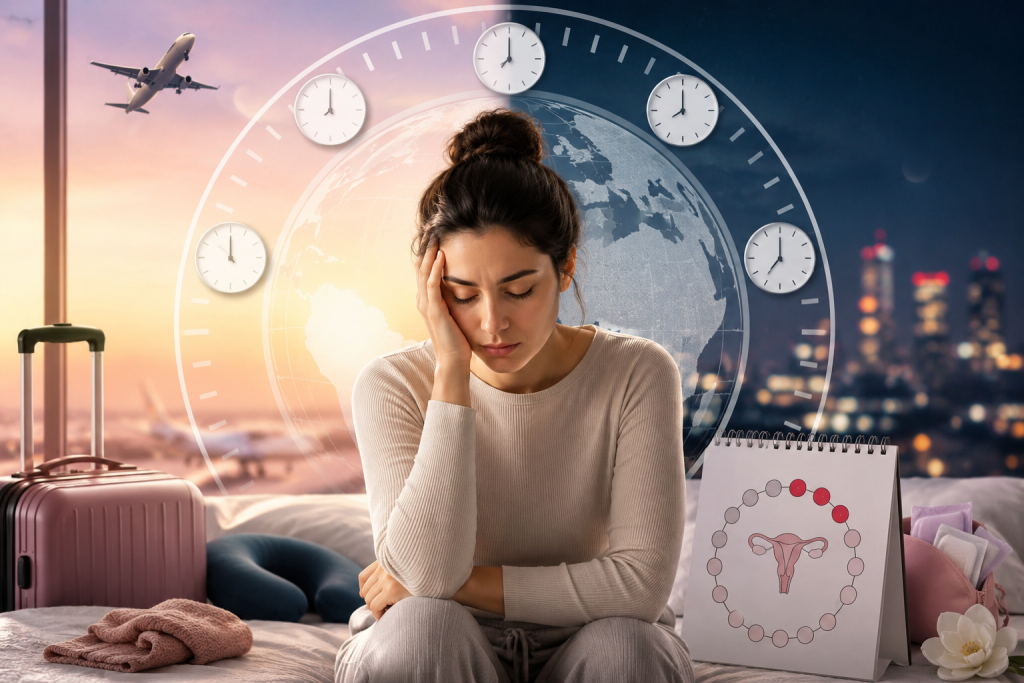
Traveling across multiple time zones can be an exciting experience, whether for business, vacation, or study abroad. However, many women notice changes in their menstrual cycle after long-distance travel. While occasional disruptions are usually temporary, understanding why they happen can help you manage your reproductive health more effectively.
Understanding Your Body’s Internal Clock
Your body operates on a natural 24-hour cycle known as the circadian rhythm. This internal clock regulates various biological processes, including sleep, hormone production, metabolism, and reproductive functions. When you travel across different time zones, your circadian rhythm can become disrupted, leading to a condition commonly known as jet lag.
The hormones responsible for regulating the menstrual cycle, including estrogen, progesterone, luteinizing hormone (LH), and follicle-stimulating hormone (FSH), are influenced by your body’s internal clock. As a result, significant changes in sleep patterns and daily routines may temporarily affect your menstrual cycle. Learn more
Common Menstrual Changes After Crossing Time Zones
1. Delayed or Early Periods
One of the most common effects of long-distance travel is a shift in menstrual timing. Some women may experience their period earlier than expected, while others may notice a delay of several days.
2. Changes in Menstrual Flow
Travel-related stress and disrupted sleep can influence hormone levels, potentially leading to lighter or heavier bleeding than usual.
3. Increased Menstrual Symptoms
Jet lag can worsen common menstrual symptoms such as:
- Fatigue
- Mood swings
- Bloating
- Headaches
- Cramping
Poor sleep quality often amplifies these discomforts.
4. Spotting Between Periods
Hormonal fluctuations caused by travel stress, irregular sleep schedules, and changes in routine may occasionally result in light spotting between menstrual cycles.
Why Time Zone Changes Affect Menstrual Health
Sleep Disruption
Sleep plays a crucial role in hormone regulation. Crossing several time zones can interfere with melatonin production, a hormone that helps regulate sleep and may also influence reproductive hormones.
Travel Stress
Traveling often involves packed schedules, airport delays, unfamiliar environments, and physical exhaustion. Stress increases cortisol levels, which can temporarily interfere with normal reproductive hormone balance.
Changes in Diet and Exercise
Many travelers experience changes in eating habits, hydration levels, and physical activity. These lifestyle changes can affect hormone production and menstrual regularity.
Dehydration and Fatigue
Long flights and travel-related fatigue can place additional strain on the body, potentially contributing to temporary menstrual irregularities.
How to Minimize Menstrual Disruptions While Traveling
Maintain a Consistent Sleep Schedule
Try to adjust your sleep pattern to your destination’s local time as quickly as possible. Prioritizing quality sleep helps your body adapt more efficiently.
Stay Hydrated
Drink plenty of water before, during, and after your trip. Proper hydration supports overall health and may help reduce bloating and fatigue.
Manage Stress
Simple relaxation techniques such as deep breathing, stretching, meditation, or light exercise can help lower stress levels and support hormonal balance.
Eat Balanced Meals
Consuming nutrient-rich foods and limiting excessive caffeine or alcohol intake can help your body adjust more smoothly to new time zones.
Track Your Menstrual Cycle
Using a menstrual tracking app can help you monitor any changes and identify patterns related to travel.
When to See a Healthcare Provider
Occasional cycle changes due to travel are usually not a cause for concern. However, you should consult a healthcare professional if you experience:
- Missed periods for several months
- Extremely heavy bleeding
- Severe pelvic pain
- Persistent irregular cycles
- Unusual symptoms that continue after returning home
These symptoms may indicate an underlying health condition unrelated to travel.
Read more: Understanding Color Blindness and Available Treatments
Conclusion
Crossing time zones can temporarily affect your menstrual cycle by disrupting your body’s internal clock, sleep patterns, and hormone regulation. You may notice changes in timing, flow, or menstrual symptoms, but these effects are generally short-lived and resolve as your body adjusts to its new schedule. By prioritizing sleep, hydration, stress management, and healthy habits, you can reduce the impact of travel on your reproductive health and enjoy a more comfortable journey.