How to Manage Chronic Neck and Upper Back Pain
Chronic neck and upper back pain is a common condition that affects people of all ages, especially those who spend long hours sitting, working on computers, or using mobile devices. Over time, poor posture, muscle strain, and lifestyle habits can lead to persistent discomfort that affects daily activities and quality of life. Understanding how to manage this condition is key to long-term relief and prevention.
What Is Chronic Neck and Upper Back Pain?
Chronic neck and upper back pain refers to ongoing discomfort or stiffness in the cervical spine (neck) and upper thoracic region (upper back) that lasts for more than three months. Unlike short-term pain caused by minor strain, chronic pain often develops gradually and may persist if the underlying cause is not addressed.
Common Causes
Several factors contribute to chronic neck and upper back pain, including:
- Poor posture (especially forward head posture)
- Prolonged sitting or desk work
- Excessive smartphone or computer use
- Muscle imbalance or weakness
- Stress and tension
- Previous injuries
- Lack of physical activity
- Improper sleeping positions
These factors can place continuous strain on muscles and joints, leading to long-term discomfort.
Symptoms to Look Out For
Common symptoms of chronic neck and upper back pain include:
- Persistent stiffness in the neck or shoulders
- Dull or sharp pain in the upper spine
- Headaches originating from the neck
- Limited range of motion
- Muscle tightness or spasms
- Pain that worsens after long periods of sitting
If symptoms persist or worsen, medical evaluation is important. Learn more
How to Manage Chronic Neck and Upper Back Pain
1. Improve Posture
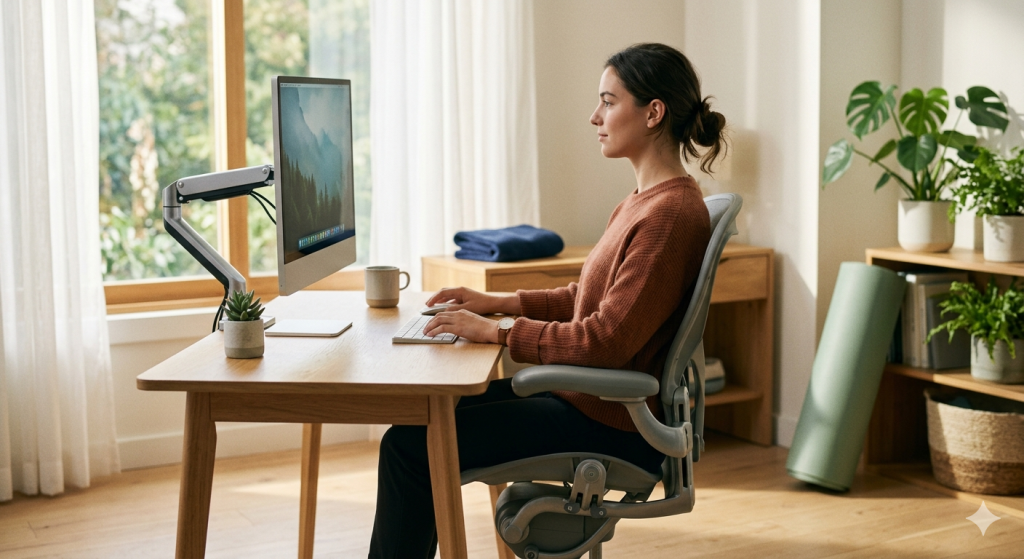
Good posture is one of the most effective ways to reduce chronic pain. Poor posture places unnecessary stress on the spine and muscles.
Posture tips:
- Keep your head aligned with your shoulders
- Avoid leaning forward while using devices
- Keep your screen at eye level
- Sit with your back properly supported
Small posture corrections can significantly reduce strain.
2. Perform Stretching Exercises
Stretching helps relieve muscle tightness and improves flexibility in the neck and upper back.
Effective stretches include:
- Neck side stretches
- Shoulder rolls
- Upper trapezius stretches
- Chest opening stretches
Regular stretching can reduce stiffness and improve movement.
3. Strengthen Neck and Upper Back Muscles
Weak muscles can contribute to poor posture and chronic pain. Strengthening exercises help support the spine and improve stability.
Helpful exercises:
- Chin tucks
- Scapular retraction exercises
- Resistance band rows
- Wall angels
Consistent strengthening improves long-term spinal health.
4. Use Heat and Cold Therapy
Therapy can help reduce pain and inflammation.
- Cold therapy: Helps reduce inflammation and numb pain
- Heat therapy: Relaxes tight muscles and improves blood flow
Applying heat for 15–20 minutes can be especially helpful for chronic stiffness.
5. Take Regular Breaks From Sitting
Long periods of sitting can worsen neck and upper back pain.
Break tips:
- Stand and stretch every 30–60 minutes
- Walk around briefly
- Adjust your sitting position regularly
Movement prevents muscle stiffness.
6. Manage Stress Levels
Stress often leads to muscle tension in the neck and shoulders, worsening pain.
Stress management techniques:
- Deep breathing exercises
- Meditation
- Light physical activity
- Adequate sleep
Reducing stress helps relax tight muscles.
7. Improve Sleeping Position
Your sleeping posture can affect spinal alignment.
Sleep tips:
- Use a supportive pillow
- Avoid sleeping on your stomach
- Keep your neck aligned with your spine
- Choose a medium-firm mattress
Proper sleep support reduces morning stiffness.
8. Consider Manual Therapy
Manual therapy techniques can help reduce pain and improve mobility.
This may include:
- Massage therapy
- Joint mobilization
- Soft tissue release techniques
These treatments help relax tight muscles and improve circulation.
9. Stay Physically Active
Regular physical activity helps maintain muscle strength and flexibility.
Recommended activities include:
- Walking
- Swimming
- Yoga
- Light strength training
Staying active prevents stiffness and supports recovery.
10. Seek Professional Help When Needed
If pain persists despite home management, professional evaluation is important. A healthcare provider may recommend:
- Structured rehabilitation programs
- Imaging tests if needed
- Advanced pain management techniques
- Posture correction therapy
Early intervention helps prevent worsening of symptoms.
When to Seek Immediate Medical Attention
Seek medical help if you experience:
- Severe or worsening pain
- Numbness or tingling in arms
- Loss of strength
- Persistent headaches
- Pain after an injury or accident
These may indicate more serious underlying issues.
Read: Treatment Options for Heel Pain and Achilles Tendon Injuries
Conclusion
Chronic neck and upper back pain can significantly affect daily life, but it is manageable with the right approach. Improving posture, exercising regularly, managing stress, and maintaining healthy movement habits are key to long-term relief. With consistent care and attention, most people can reduce pain, improve mobility, and prevent recurrence.