Treatment Options for Heel Pain and Achilles Tendon Injuries
Heel pain and Achilles tendon injuries are among the most common lower limb problems affecting athletes, runners, and even individuals with inactive lifestyles. These conditions can significantly limit walking, running, and daily movement if not properly treated. Understanding effective treatment options is essential for reducing pain, restoring mobility, and preventing long-term complications.
What Causes Heel Pain and Achilles Tendon Injuries?
Heel pain is often linked to inflammation or strain in the structures around the heel bone, while Achilles tendon injuries involve damage to the tendon connecting the calf muscles to the heel.
Common causes include:
- Overuse from running or jumping
- Poor footwear or inadequate support
- Sudden increase in physical activity
- Tight calf muscles
- Flat feet or high arches
- Aging and reduced tendon flexibility
These factors can lead to conditions such as plantar fasciitis, Achilles tendinitis, or even tendon tears.
Common Symptoms
Symptoms vary depending on the severity and type of injury but may include:
- Sharp or dull pain in the heel or back of the ankle
- Stiffness, especially in the morning
- Swelling around the Achilles tendon
- Pain that worsens with activity
- Difficulty walking or standing for long periods
- Tenderness when touching the affected area
Early recognition of symptoms helps prevent worsening of the condition. Learn more
Importance of Early Treatment
Early treatment is crucial for heel pain and Achilles tendon injuries. Delaying care can lead to chronic pain, reduced mobility, or tendon rupture in severe cases.
Early management helps:
- Reduce inflammation
- Prevent further damage
- Improve healing speed
- Restore normal movement
Treatment Options for Heel Pain and Achilles Tendon Injuries
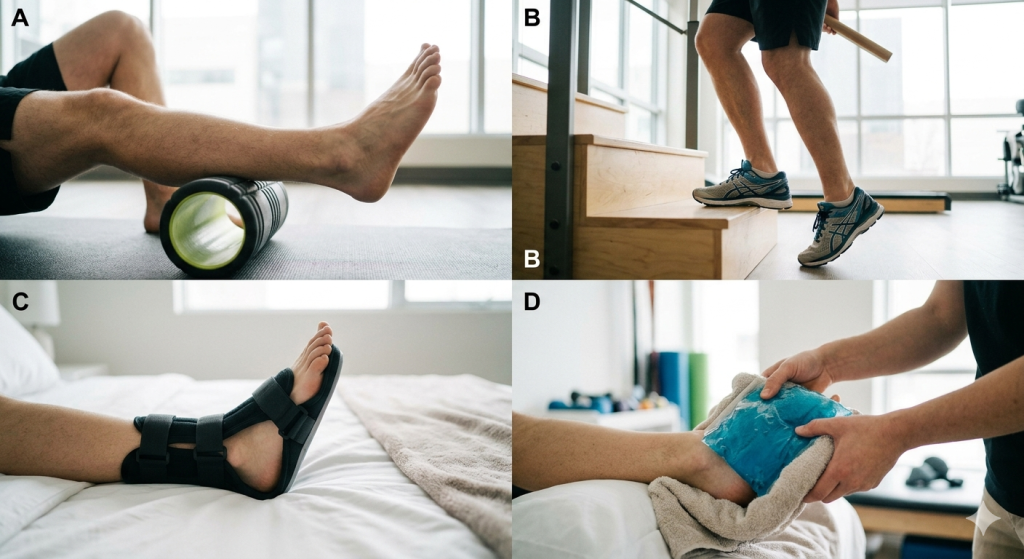
1. Rest and Activity Modification
Rest is one of the first and most important steps in recovery. Reducing activities that place stress on the heel or Achilles tendon allows tissues to heal.
Helpful Tips:
- Avoid running or jumping activities
- Reduce standing for long periods
- Switch to low-impact exercises like swimming or cycling
Complete inactivity is not always necessary, but painful activities should be avoided.
2. Ice and Heat Therapy
Cold and heat therapy are commonly used to manage pain and inflammation.
Ice Therapy:
- Reduces swelling
- Numbs pain
- Best used in early stages of injury
Heat Therapy:
- Relaxes tight muscles
- Improves blood circulation
- Useful in later stages of recovery
Applying ice for 15–20 minutes at a time is usually recommended.
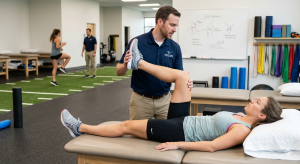
3. Stretching and Flexibility Exercises
Stretching helps reduce tension in the calf muscles and Achilles tendon, improving flexibility and reducing pain.
Common exercises include:
- Calf stretches against a wall
- Towel stretches for the foot
- Gentle Achilles tendon stretches
Regular stretching is essential for long-term recovery.
4. Strengthening Exercises
Strengthening the calf muscles and surrounding structures helps support the Achilles tendon and reduce strain.
Exercises may include:
- Heel raises
- Resistance band exercises
- Eccentric strengthening exercises
These exercises should be done gradually to avoid re-injury.
5. Proper Footwear and Orthotics
Wearing supportive footwear plays a major role in recovery and prevention.
Recommended features:
- Good arch support
- Cushioned soles
- Proper heel alignment
Custom orthotic inserts may also help correct foot mechanics and reduce pressure on the heel.
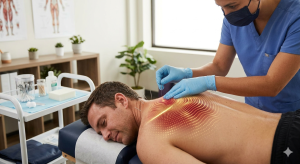
6. Manual Therapy and Massage
Hands-on therapy can help reduce muscle tightness and improve blood flow.
Benefits include:
- Reduced stiffness
- Improved flexibility
- Better circulation
- Relief from muscle tension
Massage therapy is often combined with exercise programs for better results.
7. Pain Management
Pain relief is important for maintaining mobility during recovery.
Options may include:
- Over-the-counter pain relievers
- Anti-inflammatory medications
- Topical pain relief gels
Pain should always be monitored and not ignored if it persists.
8. Physical Rehabilitation Programs
Structured rehabilitation programs help restore strength, flexibility, and function.
A typical program may include:
- Stretching routines
- Strength training
- Balance exercises
- Gait correction
Consistency is key for successful recovery.
9. Advanced Treatment Options
For severe or chronic cases, additional treatments may be required:
- Shockwave therapy
- Corticosteroid injections (in selected cases)
- Ultrasound therapy
- Platelet-rich plasma (PRP) therapy
- Surgery (in rare, severe tendon rupture cases)
These options are usually considered when conservative treatments fail.
10. Gradual Return to Activity
Returning to physical activity too quickly can worsen injuries. A gradual approach is essential.
Signs of readiness include:
- Reduced or no pain
- Improved strength
- Full range of motion
- Ability to walk comfortably
Slow progression helps prevent re-injury.
Prevention Tips
Preventing heel pain and Achilles injuries is possible with proper care:
- Warm up before exercise
- Wear appropriate footwear
- Avoid sudden increases in activity
- Stretch regularly
- Strengthen calf muscles
- Maintain healthy body weight
Prevention is always better than long-term treatment.
When to See a Doctor
Seek medical attention if you experience:
- Severe or worsening pain
- Inability to walk properly
- Sudden sharp pain in the Achilles tendon
- Persistent swelling
- No improvement after home treatment
Early professional care ensures better outcomes.
Read: Understanding Dry Needling for Pain Relief
Conclusion
Heel pain and Achilles tendon injuries can be painful and limiting, but effective treatment options are available. From rest and stretching to strengthening exercises and advanced therapies, recovery is possible with proper care. Early treatment, consistency in rehabilitation, and preventive strategies play a key role in restoring mobility and preventing future injuries.