Treatment Options for Whiplash Injuries Explained
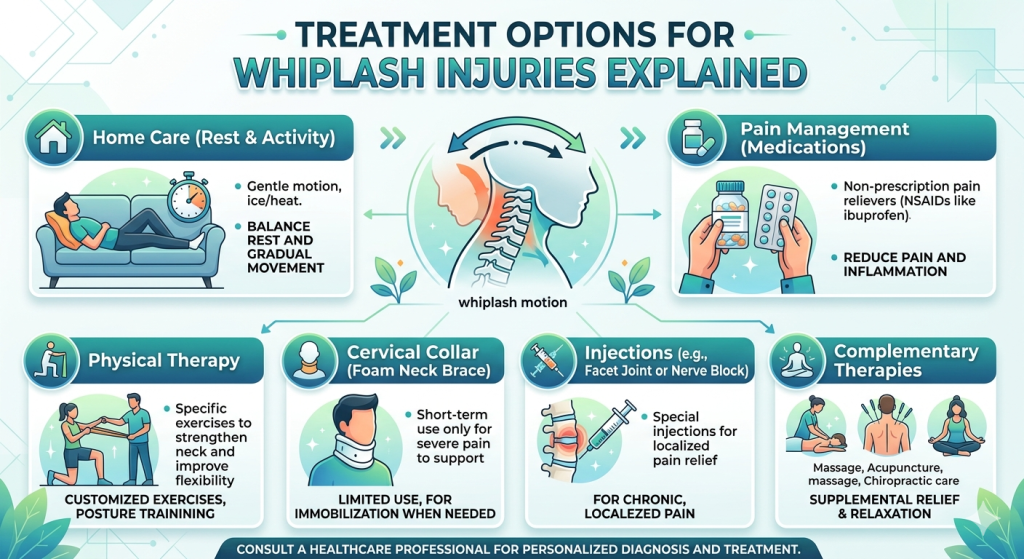
Whiplash injuries are among the most common neck injuries, especially after car accidents, sports impacts, or sudden falls. Although many people think whiplash is a minor condition, it can lead to long-term pain and discomfort if not treated properly. Understanding the available treatment options can help patients recover faster and reduce the risk of chronic complications.
What Is a Whiplash Injury?
Whiplash occurs when the neck suddenly moves back and forth rapidly, much like the cracking of a whip. This sudden motion can strain or damage muscles, ligaments, tendons, nerves, and spinal structures in the neck.
Whiplash injuries are often caused by:
- Rear-end car collisions
- Sports injuries
- Physical assaults
- Slips and falls
- Sudden impact accidents
Symptoms may appear immediately or develop within a few days after the injury. Learn more
Common Symptoms of Whiplash
The symptoms of whiplash can vary depending on the severity of the injury. Common signs include:
- Neck pain and stiffness
- Headaches, especially at the base of the skull
- Shoulder and upper back pain
- Reduced neck movement
- Dizziness
- Tingling or numbness in the arms
- Fatigue
- Difficulty concentrating
If symptoms become severe or persistent, medical attention is necessary.
Diagnosis of Whiplash Injuries
Doctors usually diagnose whiplash through physical examinations and medical history. In some cases, imaging tests may be recommended to rule out fractures or serious spinal injuries.
Diagnostic tests may include:
- X-rays
- CT scans
- MRI scans
Early diagnosis helps create an effective treatment plan.
Treatment Options for Whiplash Injuries
1. Rest and Activity Modification
Short periods of rest may help reduce pain immediately after the injury. However, prolonged bed rest is usually discouraged because gentle movement often supports faster recovery.
Patients are encouraged to avoid activities that worsen neck strain while gradually returning to normal routines.
2. Pain Relief Medications
Doctors may recommend medications to manage discomfort and inflammation, including:
- Over-the-counter pain relievers
- Anti-inflammatory drugs
- Muscle relaxants in severe cases
Medication should always be used according to professional guidance.
3. Cold and Heat Therapy
Applying ice packs during the first 24 to 48 hours may reduce swelling and inflammation. After the initial phase, heat therapy can help relax tight muscles and improve blood circulation.
Tips for Safe Use:
- Apply ice for 15–20 minutes at a time
- Use a towel barrier to protect the skin
- Avoid excessive heat exposure
4. Exercise and Rehabilitation Programs
Gentle stretching and strengthening exercises play a major role in recovery. These exercises help restore neck mobility, reduce stiffness, and improve muscle support.
Common rehabilitation exercises may include:
- Neck rotation stretches
- Shoulder rolls
- Chin tucks
- Posture correction exercises
A structured rehabilitation program can prevent long-term neck problems.
5. Manual Therapy and Massage
Hands-on treatment techniques may help relieve muscle tension and improve neck movement. Massage therapy can also reduce stress and improve circulation around injured tissues.
Many patients experience relief when manual therapy is combined with exercise programs.
6. Posture Correction
Poor posture can worsen whiplash symptoms and delay healing. Learning proper sitting, standing, and sleeping positions may reduce strain on the neck.
Helpful posture habits include:
- Keeping screens at eye level
- Using supportive pillows
- Avoiding prolonged bending of the neck
7. Neck Support Devices
Soft neck collars were once commonly used for whiplash injuries. Today, they are usually recommended only for short-term use because extended reliance may weaken neck muscles.
Medical professionals determine whether neck support devices are appropriate for individual cases.
8. Psychological Support for Chronic Cases
Some individuals develop anxiety, stress, or fear of movement after traumatic accidents. Chronic pain can also affect emotional well-being.
Counseling, relaxation techniques, and stress management strategies may help improve recovery outcomes.
Recovery Time for Whiplash Injuries
Recovery time varies from person to person. Mild cases may improve within a few weeks, while severe injuries can take several months.
Factors affecting recovery include:
- Severity of the injury
- Age and overall health
- Early treatment
- Consistency with rehabilitation exercises
Following medical advice closely often improves recovery speed.
When to Seek Immediate Medical Attention
Seek urgent medical care if whiplash symptoms include:
- Severe neck pain
- Loss of movement
- Weakness in the arms
- Difficulty breathing
- Loss of consciousness
- Persistent numbness or tingling
These symptoms may indicate more serious spinal injuries.
Preventing Whiplash Injuries
Although accidents cannot always be avoided, certain precautions can reduce the risk of whiplash:
- Wear seat belts properly
- Adjust car headrests correctly
- Practice safe driving habits
- Use protective sports equipment
- Maintain good posture
Prevention strategies can significantly lower the chances of serious neck injuries.
Read: The Role of Physiotherapy in Treating Herniated Disc Pain
Conclusion
Whiplash injuries can affect daily life, mobility, and overall comfort if left untreated. Fortunately, many treatment options are available to help reduce pain, restore movement, and support long-term recovery. Early diagnosis, proper rehabilitation, posture correction, and healthy lifestyle habits all play important roles in healing. Seeking professional care promptly can help prevent complications and improve recovery outcomes.