The Role of Physiotherapy in Treating Herniated Disc Pain
A herniated disc is one of the most common causes of lower back and neck pain, affecting people of different ages and lifestyles. It occurs when the soft inner portion of a spinal disc pushes through a crack in its tougher exterior, often irritating nearby nerves. This can lead to pain, numbness, tingling, or weakness in the back, legs, or arms.
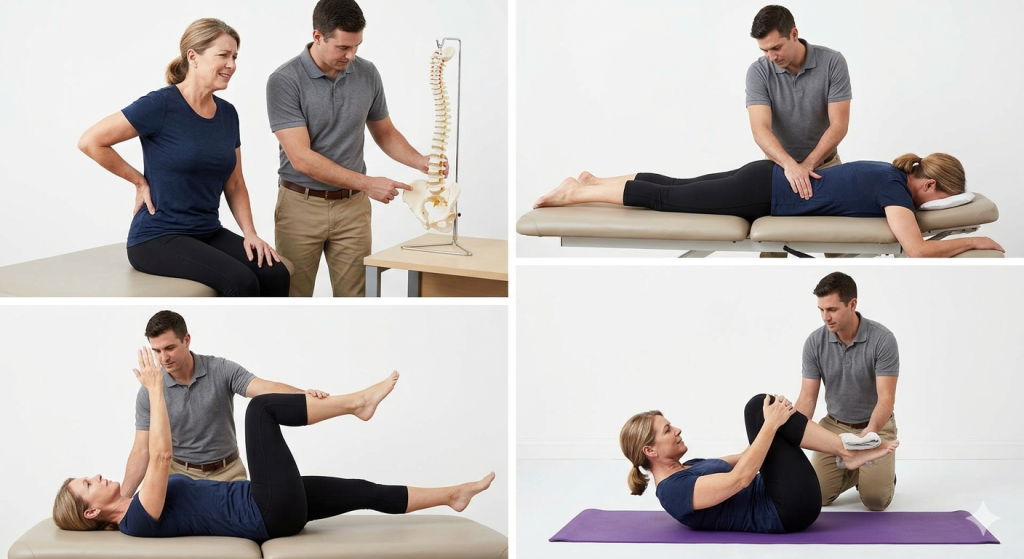
Physiotherapy plays a major role in managing and treating herniated disc pain without the immediate need for surgery. Through targeted exercises, manual therapy, and posture correction, physiotherapy helps reduce pain, improve mobility, and restore normal function.
Understanding Herniated Disc Pain
The spine is made up of vertebrae cushioned by discs that act as shock absorbers. When a disc becomes damaged due to aging, injury, or poor posture, it may bulge or rupture. This condition is often called a slipped or herniated disc.
Common symptoms include:
- Sharp or burning back pain
- Pain radiating to the legs or arms
- Numbness or tingling sensations
- Muscle weakness
- Difficulty bending or lifting
How Physiotherapy Helps
Physiotherapy focuses on treating the root cause of pain rather than just masking symptoms. It offers a safe and effective approach to recovery through several key methods:
1. Pain Reduction Techniques
Physiotherapists may use heat therapy, cold therapy, ultrasound, or electrical stimulation to reduce inflammation and relieve pain. Learn more
2. Targeted Exercise Therapy
Specific stretching and strengthening exercises help:
- Improve spinal flexibility
- Strengthen core muscles
- Reduce pressure on the affected disc
- Promote healing and stability
3. Manual Therapy
Hands-on techniques such as spinal mobilization help improve movement in stiff joints and reduce nerve compression.
4. Posture Correction
Poor posture is a major contributor to disc problems. Physiotherapists teach correct sitting, standing, and lifting techniques to prevent further injury.
5. Education and Lifestyle Guidance
Patients learn how to avoid movements that worsen pain and how to safely perform daily activities.
Common Physiotherapy Exercises for Herniated Disc
Depending on the severity, a physiotherapist may recommend:
- Pelvic tilts
- Hamstring stretches
- Cat-cow stretches
- Core strengthening exercises
- McKenzie extension exercises
These exercises help reduce pressure on spinal discs and support long-term recovery.
Benefits of Physiotherapy for Herniated Disc
- Non-surgical pain relief
- Faster recovery time
- Improved mobility and flexibility
- Reduced risk of recurrence
- Strengthened spinal support muscles
Read: Understanding Tennis Elbow and Recovery Exercises
When to Seek Physiotherapy
You should consider physiotherapy if you experience:
- Persistent back or neck pain lasting more than a few days
- Pain that radiates into arms or legs
- Difficulty performing daily activities
- Recurring back injuries
Early intervention often leads to better recovery outcomes and prevents the condition from worsening.