The Role of Probiotics in Overall Wellness
In recent years, probiotics have become one of the most talked-about topics in health and wellness. From yogurt commercials to dietary supplements, probiotics are often promoted as a key to better digestion and stronger immunity. But what exactly are probiotics, and how do they contribute to overall wellness? Understanding their role can help individuals make informed decisions about maintaining a healthy lifestyle.
What Are Probiotics?
Probiotics are live microorganisms, mainly beneficial bacteria and yeast, that support the body’s natural balance of microorganisms. These “good bacteria” are primarily found in the digestive tract, where they help maintain a healthy gut environment. While the body naturally contains both good and harmful bacteria, probiotics help restore balance when harmful bacteria become too dominant.
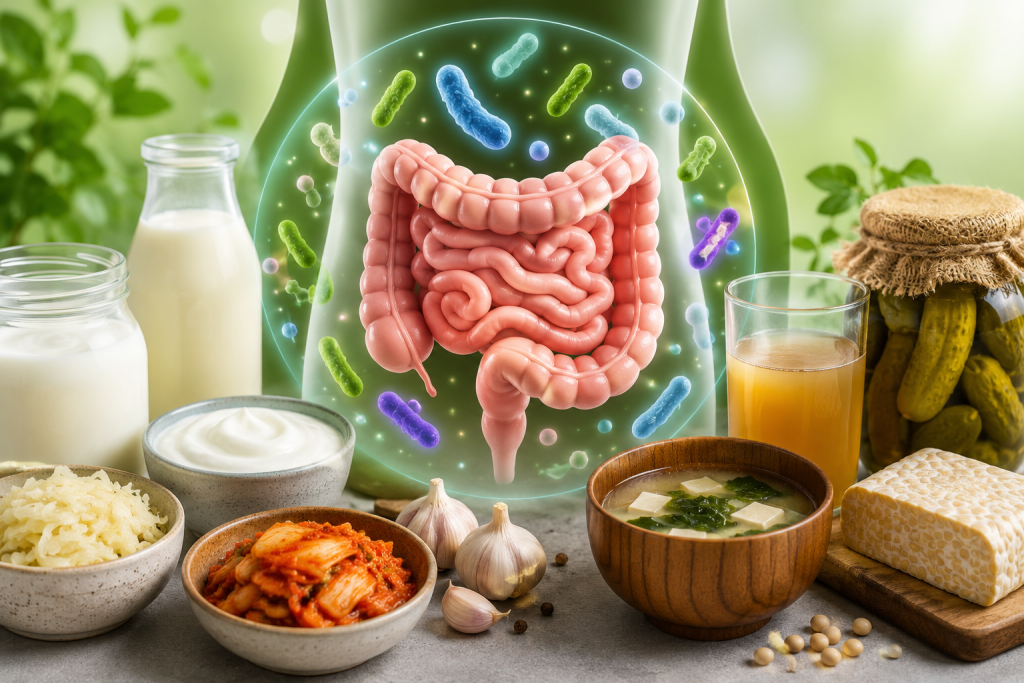
Probiotics can be found naturally in fermented foods such as yogurt, kefir, kimchi, sauerkraut, miso, and kombucha. They are also available in dietary supplement form. Learn more
How Probiotics Support Digestive Health
One of the most recognized benefits of probiotics is their positive impact on digestive health. The digestive system depends on a balanced gut microbiome to function properly. When this balance is disrupted by poor diet, stress, illness, or antibiotic use, digestive problems may occur.
Probiotics can help:
- Reduce bloating and gas
- Support regular bowel movements
- Improve symptoms of irritable bowel syndrome (IBS)
- Help manage diarrhea caused by antibiotics
- Promote healthier digestion overall
By restoring beneficial bacteria, probiotics assist the digestive system in breaking down food more effectively and absorbing nutrients efficiently.
Strengthening the Immune System
A significant portion of the immune system is connected to the gut. Healthy gut bacteria play an important role in helping the body defend itself against infections and harmful microorganisms. Probiotics may support immune function by enhancing the body’s natural defense mechanisms.
Research suggests that people who maintain a healthy gut microbiome may experience fewer infections and recover faster from certain illnesses. While probiotics are not a cure for diseases, they can contribute to a stronger immune response.
Supporting Mental and Emotional Wellness
Scientists are increasingly studying the connection between gut health and mental health, often referred to as the “gut-brain axis.” Emerging evidence suggests that the balance of bacteria in the gut may influence mood, stress levels, and emotional well-being.
Some studies indicate that probiotics may help reduce symptoms of anxiety and mild depression in certain individuals. Although more research is still needed, maintaining a healthy gut environment may positively affect mental wellness and overall quality of life.
Probiotics and Heart Health
Certain probiotic strains may also support heart health by helping lower bad cholesterol levels and maintaining healthy blood pressure. In addition, probiotics can assist in reducing inflammation, which is linked to many chronic health conditions.
Combined with a healthy diet and regular exercise, probiotics may become part of a heart-friendly lifestyle.
Foods Rich in Probiotics
Including probiotic-rich foods in daily meals is a natural way to support gut health. Common probiotic foods include:
- Yogurt with live cultures
- Kefir
- Kimchi
- Sauerkraut
- Pickles fermented naturally
- Miso soup
- Tempeh
- Kombucha
Eating a variety of these foods can help introduce beneficial bacteria into the digestive system.
Things to Consider Before Taking Probiotic Supplements
Although probiotic supplements are widely available, not all supplements are the same. Different probiotic strains serve different purposes, and effectiveness may vary between individuals.
Before starting probiotic supplements, it is advisable to:
- Choose products from trusted manufacturers
- Check for clinically studied strains
- Follow recommended dosage instructions
- Consult a healthcare professional, especially if you have existing medical conditions
People with weakened immune systems should seek medical advice before using probiotic supplements.
Read: What Eating Grapes Daily Does to Your Skin at the Genetic Level
Conclusion
Probiotics play an important role in supporting overall wellness by promoting digestive balance, strengthening the immune system, and potentially improving mental and heart health. While they are not a substitute for healthy living, probiotics can be a valuable addition to a balanced diet and wellness routine.
As research continues to uncover the many ways gut health affects the body, probiotics are likely to remain an important part of modern health discussions. Incorporating probiotic-rich foods and maintaining healthy lifestyle habits may help support long-term well-being and improved quality of life.