Natural Ways to Strengthen Your Bones as You Age
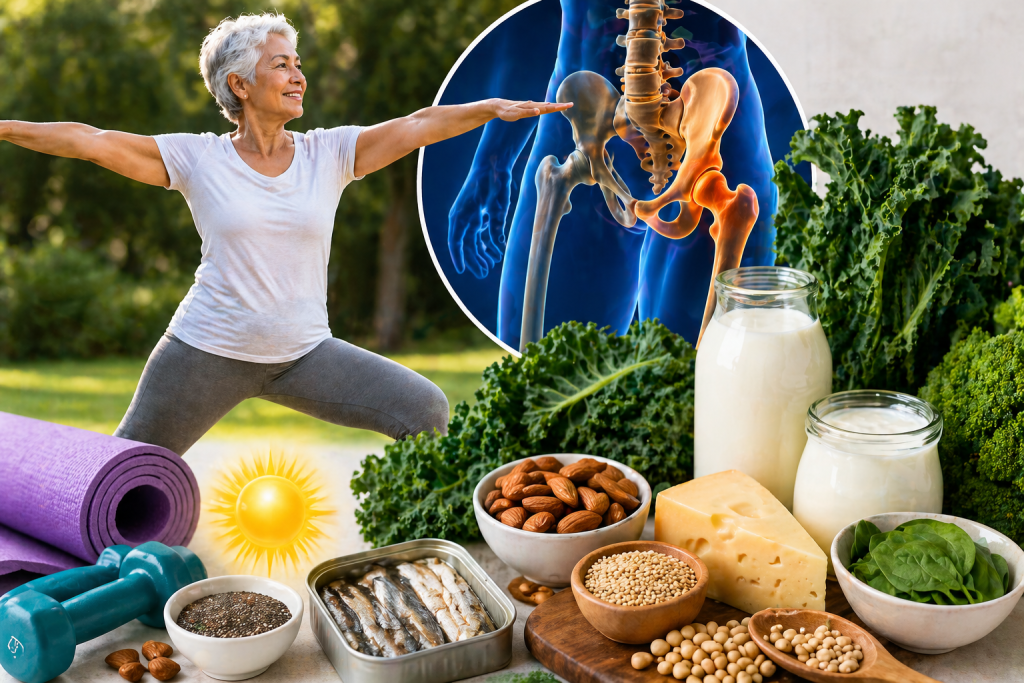
As people grow older, maintaining strong bones becomes increasingly important for overall health and independence. Bone tissue is living tissue that constantly breaks down and rebuilds itself, but with age, the body begins to lose bone mass faster than it can replace it. This gradual loss can make bones weaker, increasing the risk of fractures, poor posture, and conditions such as osteoporosis. The good news is that several natural lifestyle choices can help preserve bone strength and support healthy aging.
Understand Why Bone Health Changes With Age
Bone density usually reaches its peak in early adulthood and slowly declines afterward. Hormonal changes, especially during menopause in women, can accelerate bone loss. Men also experience a gradual decline in bone density as testosterone levels decrease with age. In addition, reduced physical activity, poor nutrition, and certain medical conditions can weaken the skeletal system over time. Understanding these changes can help people take steps early to protect their bones. Learn more
Increase Calcium Intake Naturally
Calcium is one of the most essential minerals for strong bones. The body stores most of its calcium in bones and teeth, and if dietary intake is too low, it pulls calcium from the bones to maintain normal body functions. This can gradually weaken the skeleton. Natural calcium-rich foods include:
- Milk, yogurt, and cheese
- Sardines and salmon with bones
- Leafy greens such as kale and spinach
- Almonds
- Sesame seeds
- Fortified plant-based milk
Consuming calcium from food sources is often better than relying entirely on supplements because nutrients from whole foods are absorbed more effectively by the body.
Get Enough Vitamin D
Vitamin D helps the body absorb calcium properly. Without enough vitamin D, even a calcium-rich diet may not fully support bone health. Sunlight is one of the best natural sources of vitamin D because the skin produces it when exposed to sunlight. Spending 10 to 20 minutes in the morning sun several times a week can help maintain healthy levels. Foods such as egg yolks, fatty fish, and fortified cereals can also contribute to vitamin D intake.
Low vitamin D levels are common in older adults and may increase the risk of brittle bones. Regular testing can help identify deficiency before it becomes a serious problem.
Engage in Weight-Bearing Exercise
Exercise plays a major role in maintaining bone strength. Weight-bearing activities force the body to work against gravity, stimulating bone tissue to become stronger. Helpful exercises include:
- Walking
- Dancing
- Climbing stairs
- Light jogging
- Resistance training
- Yoga
Strength training can be especially beneficial because it not only strengthens bones but also improves muscle support around joints. Strong muscles reduce the likelihood of falls, which can prevent fractures in older adults.
Eat More Protein for Bone Support
Protein is often associated with muscle health, but it is also important for bones. About half of bone structure is made of protein, which helps maintain bone mass and repair tissue. Good natural protein sources include:
- Eggs
- Fish
- Beans
- Lentils
- Nuts
- Chicken
- Greek yogurt
A balanced diet with adequate protein can help the body maintain stronger bones while supporting overall health.
Reduce Excess Salt and Processed Foods
Too much sodium can cause the body to lose calcium through urine, reducing the amount available for bone maintenance. Processed foods such as packaged snacks, instant noodles, and fast food often contain high levels of salt and unhealthy additives. Reducing these foods and choosing fresh meals can help protect bone density in the long term.
Sugary soft drinks may also affect bone health because some contain phosphoric acid, which may interfere with calcium balance when consumed excessively.
Maintain Healthy Hormone Levels
Hormones such as estrogen, testosterone, and thyroid hormones influence bone metabolism. As people age, hormone levels naturally change, which can affect bone strength. Chronic stress can also increase cortisol, a hormone that may contribute to bone loss over time. Managing stress through:
- Deep breathing
- Meditation
- Good sleep
- Physical activity
can help support a healthier hormonal balance that benefits the bones.
Avoid Smoking and Limit Alcohol
Smoking weakens bones by reducing blood supply to bone tissue and interfering with calcium absorption. Heavy alcohol intake can also reduce the body’s ability to build healthy bone cells. Avoiding tobacco and limiting alcohol can significantly lower the risk of bone thinning and fractures later in life.
Maintain a Healthy Body Weight
Being underweight can increase the risk of bone loss because the body may not have enough nutrients to maintain bone tissue. On the other hand, excessive body weight can place extra pressure on joints and increase the risk of mobility problems. Maintaining a stable healthy weight through balanced nutrition and regular movement helps support stronger bones and better physical function.
Improve Balance to Prevent Falls
Strong bones are important, but preventing injuries is equally essential. Falls are one of the leading causes of fractures in older adults. Improving balance can reduce this risk. Helpful activities include:
- Tai chi
- Stretching
- Yoga
- Leg strengthening exercises
Keeping the home environment safe by removing loose rugs and improving lighting can also help prevent dangerous falls.
Read: The Health Effects of Eating Late at Night
Conclusion
Aging does not automatically mean weak bones. With the right natural habits, it is possible to maintain bone strength and reduce the risk of fractures as the years go by. Eating calcium-rich foods, getting enough vitamin D, exercising regularly, managing stress, and avoiding harmful habits can all support healthier bones. Small daily choices can make a lasting difference in preserving mobility, independence, and quality of life as you age.