Financial Literacy for Gen Z: Navigating Your First Full-Time Salary
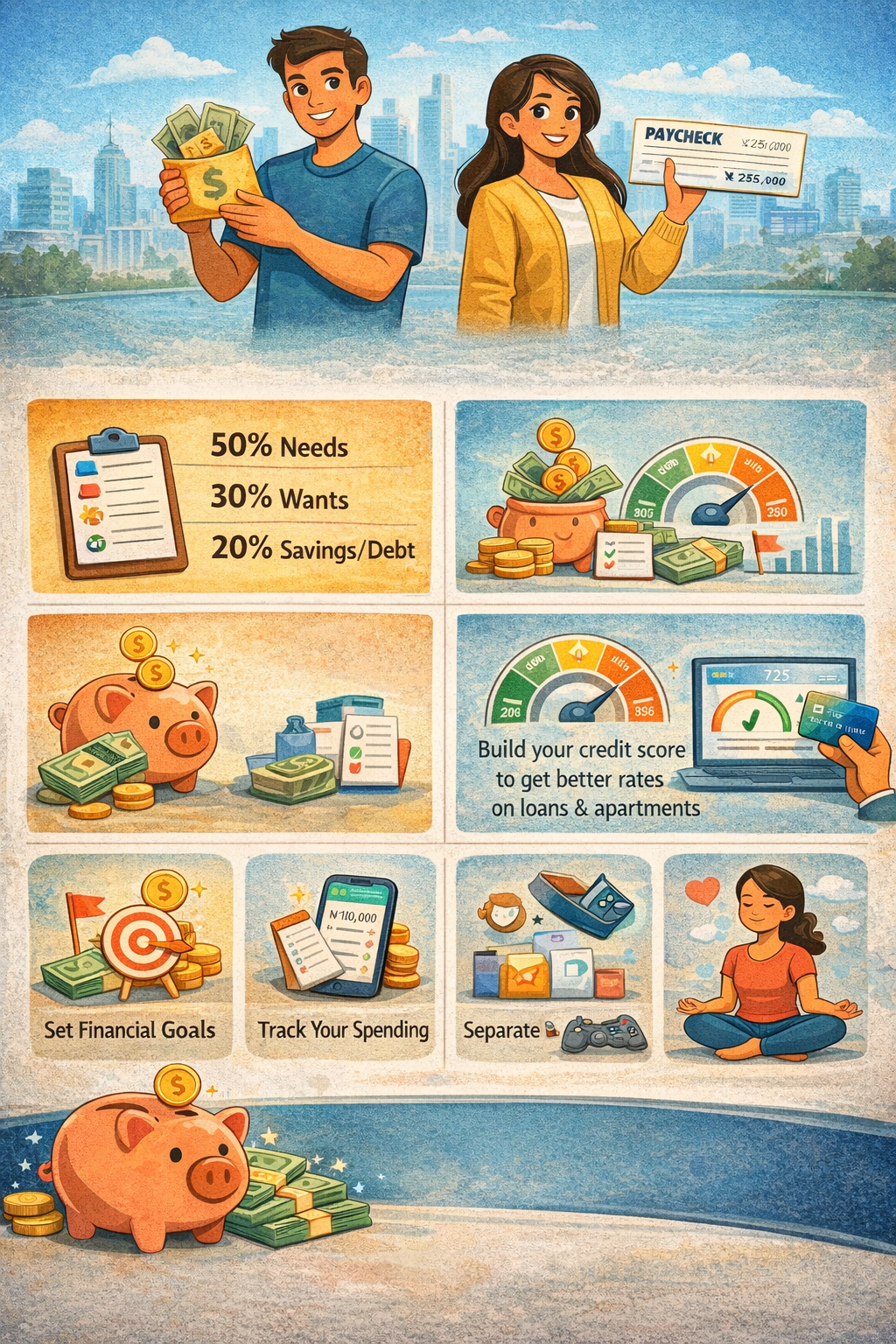
Landing your first full-time job is an exciting milestone. For many Gen Z professionals, it represents independence, stability, and the reward of years of study and hard work. However, receiving your first steady paycheck can also feel overwhelming. Suddenly, you are responsible for managing rent, bills, savings, debt, and lifestyle choices all at once.
This is where financial literacy for Gen Z becomes essential. Knowing how to handle your first salary wisely can help you build a strong financial foundation that lasts for decades.
Why Financial Literacy Matters Early
Many young adults enter the workforce without practical money management skills. Schools often teach academic subjects but rarely explain:
- How taxes work
- How to create a budget
- How credit scores affect future loans
- How investing builds wealth
- How debt can become dangerous
Without financial knowledge, it becomes easy to overspend and difficult to save. Learn more
Learning financial literacy early helps you:
- Reduce money stress
- Avoid debt traps
- Build savings faster
- Make smarter decisions
- Create long-term financial security
Your first salary may not be huge, but how you manage it matters more than how much you earn.
Understand Your Net Salary
One of the first surprises for many new workers is that your paycheck may be lower than expected.
Your gross salary is the total amount your employer offers.
Your net salary is what you actually receive after deductions.
Deductions may include:
- Taxes
- Pension contributions
- Insurance
- Student loan repayments
- Social security contributions
Before spending, understand exactly what enters your account each month.
For example:
- Gross salary: ₦300,000
- Deductions: ₦45,000
- Net salary: ₦255,000
Knowing your true income helps you plan realistically.
Create Your First Budget
A budget gives every naira or dollar a purpose.
A simple beginner budget can follow the 50/30/20 rule:
50% for Needs
Essential expenses such as:
- Rent
- Food
- Transportation
- Utilities
- Insurance
30% for Wants
Lifestyle spending such as:
- Entertainment
- Shopping
- Dining out
- Subscriptions
- Travel
20% for Savings and Debt
Money for:
- Emergency savings
- Investments
- Loan payments
- Future goals
This method keeps spending balanced while building financial discipline.
Build an Emergency Fund Immediately
One of the smartest money moves Gen Z can make is creating an emergency fund.
Unexpected expenses can happen at any time:
- Medical bills
- Car repairs
- Job loss
- Family emergencies
Aim to save:
- At least one month of expenses first
- Then 3 to 6 months over time
Even small monthly deposits help.
For example:
Saving ₦20,000 monthly can grow into a strong safety cushion within a year.
An emergency fund protects you from relying on credit cards or loans.
Avoid Lifestyle Inflation
A common mistake after getting a full-time salary is upgrading everything too quickly.
This can look like:
- Renting an expensive apartment
- Buying a new phone immediately
- Eating out daily
- Designer shopping
- Overspending on social activities
As income rises, expenses often rise too.
This is called lifestyle inflation, and it can prevent wealth building.
Instead:
- Keep living below your means
- Increase savings before lifestyle
- Upgrade slowly and intentionally
The earlier you control lifestyle inflation, the stronger your finances become.
Learn How Credit Works
Credit can be helpful or harmful depending on how it is used.
Good credit can help with:
- Renting apartments
- Getting car loans
- Mortgage approval
- Lower interest rates
Bad credit can make life more expensive.
To build healthy credit:
- Pay bills on time
- Keep credit usage low
- Avoid unnecessary debt
- Monitor your credit regularly
Your financial reputation starts early.
Start Investing Early
Gen Z has one major financial advantage:
time
Starting early allows compound growth to work in your favor.
For example:
A small monthly investment started at 22 can grow significantly more than larger investments started at 35.
Begin with simple options like:
- Index funds
- Retirement accounts
- Mutual funds
- Low-risk investment platforms
Even modest investing can create long-term wealth.
The earlier you begin, the easier wealth building becomes.
Separate Needs from Wants
One of the biggest salary challenges is distinguishing between what you need and what you simply want.
Ask yourself before buying:
- Do I need this now?
- Can I afford it comfortably?
- Will this matter next month?
- Does this align with my goals?
Needs include:
- Housing
- Food
- Utilities
- Healthcare
Wants include:
- Luxury fashion
- Expensive gadgets
- Frequent vacations
- Trend purchases
Understanding this difference improves spending habits.
Set Financial Goals Early
Financial literacy becomes easier when you have clear goals.
Your goals may include:
Short-Term Goals
- Build emergency savings
- Pay off debt
- Buy a laptop
- Travel fund
Long-Term Goals
- Home ownership
- Retirement savings
- Starting a business
- Financial independence
Goals give your salary purpose.
Without goals, money disappears quickly.
Automate Good Financial Habits
Automation can make money management easier.
You can automate:
- Savings transfers
- Investment contributions
- Bill payments
- Debt repayments
Automation reduces the temptation to spend what should be saved.
A simple system can turn financial discipline into a habit.
Protect Your Mental Health Around Money
Money can create stress, especially in early adulthood.
Common financial pressures include:
- Comparing yourself to friends
- Social media lifestyle pressure
- Student debt anxiety
- Family expectations
Remember:
Financial progress is personal.
Avoid comparing your beginning to someone else’s middle.
Focus on steady improvement instead of perfection.
Common Salary Mistakes Gen Z Should Avoid
Avoid these early financial mistakes:
- Spending before budgeting
- Ignoring savings
- Maxing out credit cards
- Chasing trends
- Not tracking expenses
- Delaying investing
- Living paycheck to paycheck unnecessarily
Small mistakes repeated over time become major financial problems.
Read: The Psychology of Spending: How to Break Impulse Buying Habits
Final Thoughts
Financial literacy for Gen Z is more than understanding money, it is learning how to make your first salary work for your future instead of disappearing in the present.
Your first full-time income is not just a paycheck.
It is your opportunity to build:
- Confidence
- Stability
- Freedom
- Security
By budgeting wisely, saving consistently, avoiding debt, and investing early, you can create a financial future that supports the life you truly want.
The smartest financial decisions are often made with your very first salary.