The Benefits of a High-Protein Diet for Muscle Growth
A high-protein diet for muscle growth has become one of the most effective nutritional strategies for people who want to build lean muscle, improve recovery, and enhance physical performance. Protein is an essential nutrient that helps repair muscle tissue after exercise and supports the creation of new muscle fibers. Whether you are an athlete, bodybuilder, or simply trying to improve your fitness, understanding the benefits of a high-protein diet for muscle growth can help you achieve better results.
What Is a High-Protein Diet?
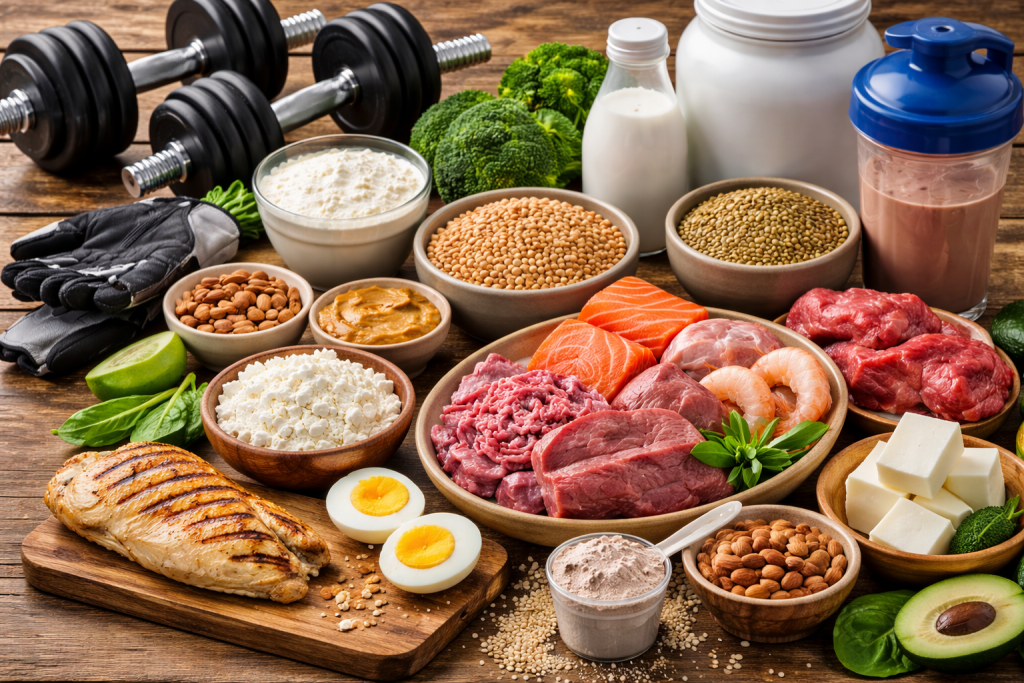
A high-protein diet is an eating plan that increases the amount of protein consumed daily compared to a standard diet. Protein can come from:
- Lean meat
- Fish
- Eggs
- Dairy products
- Beans
- Nuts
- Seeds
- Protein supplements
For muscle growth, many fitness experts recommend consuming more protein than the average daily requirement. Learn more
Why Protein Matters for Muscle Growth
Muscles are made primarily of protein. During exercise, especially strength training, tiny tears occur in muscle fibers. The body repairs these fibers using amino acids from protein, making muscles stronger and larger over time.
Protein helps with:
- Muscle repair
- Muscle building
- Strength improvement
- Recovery support
- Hormone production
Without enough protein, muscle growth can slow down significantly.
1. Supports Muscle Repair
One of the main benefits of a high-protein diet for muscle growth is faster muscle repair. Intense workouts cause small muscle damage that needs rebuilding.
Protein provides amino acids that:
- Repair damaged tissue
- Reduce soreness
- Improve recovery time
- Support stronger muscles
This allows you to train more consistently.
2. Increases Lean Muscle Mass
Protein directly supports the development of lean body mass.
A high-protein diet can help:
- Increase muscle size
- Improve muscle definition
- Preserve lean tissue
- Reduce muscle breakdown
This is especially important during resistance training.
3. Prevents Muscle Loss
Aging, dieting, and inactivity can lead to muscle loss. A high-protein diet helps preserve muscle tissue.
Protein may help:
- Reduce age-related muscle decline
- Protect muscles during weight loss
- Maintain strength
- Support long-term mobility
This makes protein important at every age.
4. Improves Workout Recovery
Recovery is essential for muscle growth. Protein speeds up the recovery process.
Benefits include:
- Less soreness
- Better performance
- Reduced fatigue
- Faster healing
Faster recovery can improve training results.
5. Boosts Strength Gains
The benefits of a high-protein diet for muscle growth also include better strength.
Adequate protein can:
- Improve lifting performance
- Support power output
- Increase endurance
- Enhance physical performance
Stronger muscles often respond better to training.
6. Supports Fat Loss While Building Muscle
Protein can help reduce body fat while maintaining muscle.
A high-protein diet can:
- Increase fullness
- Reduce hunger
- Boost metabolism
- Preserve muscle during calorie deficits
This helps create a leaner body composition.
7. Enhances Metabolism
Protein has a higher thermic effect than fats or carbohydrates.
This means the body burns more calories:
- Digesting protein
- Absorbing nutrients
- Processing amino acids
A faster metabolism can support muscle-building goals.
Best Protein Sources for Muscle Growth
Choosing quality protein matters.
Animal-based protein:
- Chicken breast
- Turkey
- Eggs
- Greek yogurt
- Salmon
- Lean beef
Plant-based protein:
- Lentils
- Chickpeas
- Tofu
- Tempeh
- Quinoa
- Almonds
Combining different sources can improve amino acid intake.
How Much Protein Do You Need?
Protein needs vary by activity level.
General recommendations:
- Sedentary adults: 0.8 g per kg body weight
- Active individuals: 1.2–1.7 g per kg
- Muscle gain goals: 1.6–2.2 g per kg
For example, a 70 kg person may need 112–154 grams daily for muscle growth.
Best Time to Eat Protein
Timing can improve results.
Ideal times:
- After workouts
- At breakfast
- Before sleep
- Spread across meals
Consistent intake helps maintain muscle protein synthesis.
Common Mistakes to Avoid
Some people make errors with protein intake.
Avoid:
- Eating too little protein
- Relying only on supplements
- Ignoring hydration
- Skipping strength training
- Eating poor-quality protein
Diet and exercise must work together.
Can Too Much Protein Be Harmful?
For healthy individuals, moderate high-protein diets are usually safe.
However:
- Extreme intake may stress kidneys in people with kidney disease
- Poor food choices can increase unhealthy fat intake
- Balance with vegetables and fiber is important
Consult a healthcare provider if you have medical concerns.
Combining Protein with Exercise
Protein works best with resistance training.
Best exercises include:
- Weight lifting
- Bodyweight training
- Resistance bands
- High-intensity training
Exercise signals the body to use protein for muscle growth.
Additional Health Benefits
Beyond muscle growth, protein can support:
- Stronger bones
- Better immune function
- Improved hormone balance
- Healthier skin and hair
This makes protein valuable for overall health.
Read: Top 10 Warning Signs of Low Testosterone in Men
Final Thoughts
The benefits of a high-protein diet for muscle growth go far beyond simply building bigger muscles. A protein-rich diet supports muscle repair, improves recovery, enhances strength, and helps maintain a lean body. By combining a balanced high-protein diet for muscle growth with regular exercise, you can improve your fitness results and support long-term health. Choosing the right protein sources and consuming enough daily can make a significant difference in reaching your muscle-building goals.