Understanding Adenomyosis and Its Impact on Pelvic Health
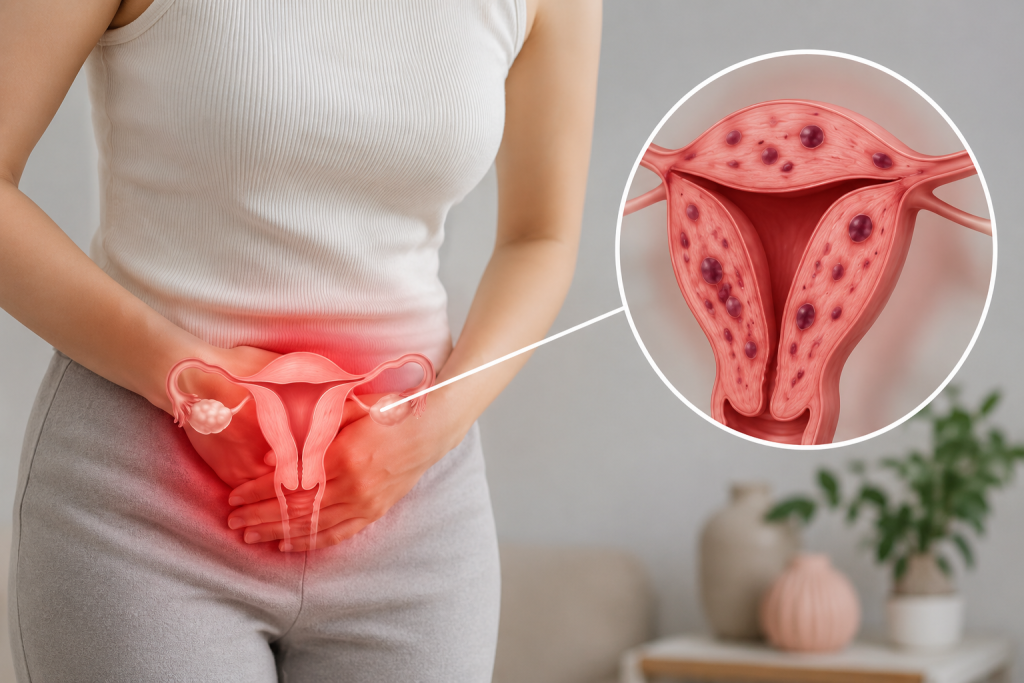
Adenomyosis is a common yet often misunderstood condition that affects many women during their reproductive years. It occurs when the tissue that normally lines the inside of the uterus, known as the endometrium, begins to grow into the muscular wall of the uterus. This abnormal growth can cause the uterus to become enlarged and lead to a range of painful and disruptive symptoms that affect pelvic health and overall quality of life.
Although adenomyosis is not life-threatening, it can significantly interfere with daily activities, emotional well-being, reproductive health, and physical comfort. Increased awareness and early diagnosis are important for effective management and improved health outcomes.
What Is Adenomyosis?
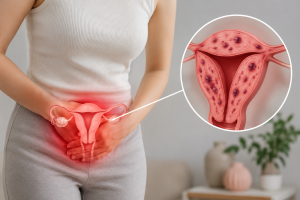
In a healthy uterus, the endometrial tissue thickens and sheds during the menstrual cycle. In adenomyosis, this tissue grows into the uterine muscle instead of remaining confined to the uterine lining. As the tissue continues to respond to hormonal changes during each menstrual cycle, it can cause inflammation, swelling, and pain within the uterine wall.
The exact cause of adenomyosis is still not fully understood, but experts believe that hormonal factors, inflammation, previous uterine surgeries, childbirth, and invasive growth of endometrial cells may contribute to the condition. Learn more
Common Symptoms of Adenomyosis
Symptoms can vary from mild to severe. Some women may not experience noticeable symptoms, while others may struggle with chronic pelvic discomfort and heavy menstrual bleeding.
Common symptoms include:
- Heavy or prolonged menstrual periods
- Severe menstrual cramps
- Chronic pelvic pain
- Pain during sexual intercourse
- Pelvic pressure or bloating
- Enlarged or tender uterus
- Blood clots during menstruation
- Fatigue caused by excessive blood loss
The symptoms often worsen over time if left untreated.
How Adenomyosis Impacts Pelvic Health
Adenomyosis can have a major effect on pelvic health due to the constant inflammation and pressure within the uterus. Chronic pelvic pain is one of the most common complications and can affect movement, sleep, work productivity, and emotional health.
The condition may also weaken pelvic floor muscles over time because of ongoing pain and muscular tension. Women with adenomyosis sometimes experience bladder discomfort, bowel irregularities, or pain during physical activity due to pressure in the pelvic region.
In some cases, adenomyosis may contribute to fertility challenges, although many women with the condition can still conceive successfully.
Risk Factors for Adenomyosis
Several factors may increase the likelihood of developing adenomyosis, including:
- Being between the ages of 35 and 50
- Previous childbirth
- Prior uterine surgeries such as cesarean section or fibroid removal
- Hormonal imbalances
- History of endometriosis
While adenomyosis is more common in women who have had children, it can also occur in younger women.
Diagnosis of Adenomyosis
Diagnosing adenomyosis can sometimes be challenging because its symptoms are similar to other pelvic conditions such as fibroids and endometriosis. Healthcare providers usually rely on:
- Medical history and symptom review
- Pelvic examination
- Ultrasound imaging
- Magnetic Resonance Imaging (MRI)
- In rare cases, tissue examination after hysterectomy
Early diagnosis is important to prevent worsening symptoms and improve treatment outcomes.
Treatment Options for Adenomyosis
Treatment depends on the severity of symptoms, age, and future pregnancy plans. Common management approaches include:
Pain Management
Over-the-counter anti-inflammatory medications can help reduce menstrual cramps and pelvic discomfort.
Hormonal Therapy
Birth control pills, hormonal intrauterine devices (IUDs), or hormone-regulating medications may help reduce heavy bleeding and pain.
Lifestyle Adjustments
Regular exercise, stress management, healthy nutrition, and adequate sleep may help ease inflammation and improve overall pelvic health.
Pelvic Floor Physical Therapy
Physical therapy can help reduce pelvic tension, improve muscle function, and relieve chronic pain associated with adenomyosis.
Surgical Treatment
In severe cases, procedures such as uterine artery embolization or hysterectomy may be recommended when conservative treatments fail.
Living With Adenomyosis
Living with adenomyosis can be physically and emotionally challenging, especially when symptoms interfere with work, relationships, and daily routines. Seeking medical support early and adopting healthy lifestyle habits can make symptom management easier.
Women experiencing persistent pelvic pain or unusually heavy menstrual bleeding should not ignore these signs. Open discussions with healthcare professionals can lead to earlier diagnosis and more effective treatment plans.
Read: How Social Connections Influence Mental and Physical Health
Conclusion
Adenomyosis is a serious pelvic health condition that can greatly impact a woman’s comfort, reproductive health, and quality of life. Understanding the symptoms, causes, and treatment options is essential for early intervention and better management.
With proper medical care, lifestyle support, and increased awareness, many women with adenomyosis can successfully manage their symptoms and maintain a healthier, more active life.