Understanding Tonsillitis in Children
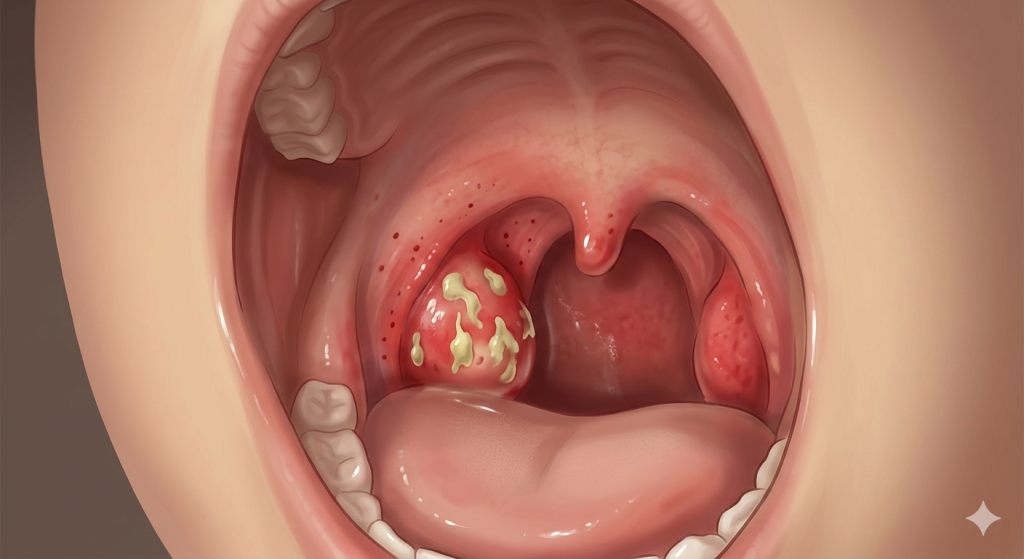
Tonsillitis is a common childhood condition that occurs when the tonsils become inflamed due to infection. The tonsils are two small masses of tissue located at the back of the throat, and they play an important role in helping the body fight germs. Although tonsillitis can affect people of all ages, it is especially common in children because their immune systems are still developing.
Most cases of tonsillitis are mild and improve with proper care, but recurrent or severe infections may require medical attention. Understanding the causes, symptoms, treatment options, and prevention methods can help parents manage the condition effectively.
What Causes Tonsillitis?
Tonsillitis is usually caused by viral or bacterial infections. Viral infections are the most common cause and may occur alongside colds or flu. Bacterial tonsillitis is often caused by Streptococcus bacteria, commonly known as strep throat. Learn more
Children can easily catch these infections through:
- Coughing and sneezing
- Sharing utensils or drinks
- Touching contaminated surfaces
- Close contact with infected individuals
Schools and daycare centers are common places where germs spread quickly among children.
Common Symptoms of Tonsillitis in Children
The symptoms of tonsillitis can vary depending on the severity of the infection. Common signs include:
- Sore throat
- Difficulty swallowing
- Red or swollen tonsils
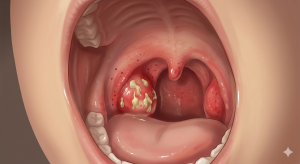
- White or yellow patches on the tonsils
- Fever
- Swollen lymph nodes in the neck
- Bad breath
- Hoarse voice
- Fatigue or irritability
- Loss of appetite
Young children may also drool excessively or complain of stomach pain.
Viral vs. Bacterial Tonsillitis
Distinguishing between viral and bacterial tonsillitis is important because treatment may differ.
Viral Tonsillitis
- Often accompanied by cough, runny nose, or sneezing
- Usually improves on its own within a few days
- Antibiotics are not effective against viruses
Bacterial Tonsillitis
- May cause sudden severe sore throat and high fever
- Often involves swollen lymph nodes and white patches on the tonsils
- May require antibiotics prescribed by a doctor
Medical evaluation may include a throat swab or rapid strep test to confirm bacterial infection.
How Tonsillitis Is Diagnosed
Doctors usually diagnose tonsillitis through:
- Physical examination of the throat
- Checking symptoms and medical history
- Throat swab tests if bacterial infection is suspected
Accurate diagnosis helps determine the most appropriate treatment.
Treatment Options for Tonsillitis
Treatment depends on the cause and severity of the infection.
Home Care for Mild Cases
Parents can help relieve symptoms by:
- Encouraging plenty of rest
- Offering warm fluids and soft foods
- Giving cold treats like ice pops to soothe the throat
- Using age-appropriate pain relievers as recommended by a doctor
- Ensuring proper hydration
Antibiotics
If the infection is bacterial, antibiotics may be prescribed. It is important for children to complete the full course of medication even if symptoms improve early.
Tonsil Removal Surgery (Tonsillectomy)
In some cases, doctors may recommend surgery if a child experiences:
- Frequent recurrent tonsillitis
- Difficulty breathing during sleep
- Severe swallowing problems
- Repeated complications from infections
Tonsillectomy is generally safe and can significantly improve a child’s quality of life when infections become chronic.
Possible Complications
Untreated or severe tonsillitis can sometimes lead to complications such as:
- Ear infections
- Abscess formation near the tonsils
- Breathing difficulties
- Spread of infection to nearby tissues
Prompt medical attention helps reduce these risks.
Preventing Tonsillitis in Children
Although not all cases can be prevented, parents can reduce the risk by teaching healthy habits:
- Encourage frequent handwashing
- Avoid sharing cups and utensils
- Keep children away from sick individuals when possible
- Teach children to cover their mouths when coughing or sneezing
- Maintain a healthy diet and good sleep routine to support immunity
When to See a Doctor
Parents should seek medical attention if a child has:
- Difficulty breathing
- Severe throat pain
- High fever
- Trouble swallowing fluids
- Symptoms lasting more than a few days
- Recurrent episodes of tonsillitis
Early treatment can help prevent complications and improve recovery.
Read: How to Prevent Frequent Cold and Flu in Kids
Conclusion
Tonsillitis is a common but manageable condition in children. While many cases are caused by viral infections and resolve with home care, bacterial infections may require antibiotics or further medical treatment. Recognizing symptoms early, encouraging healthy hygiene habits, and seeking medical care when necessary can help children recover quickly and stay healthy.