Childhood Anemia: Causes and Nutritional Solutions
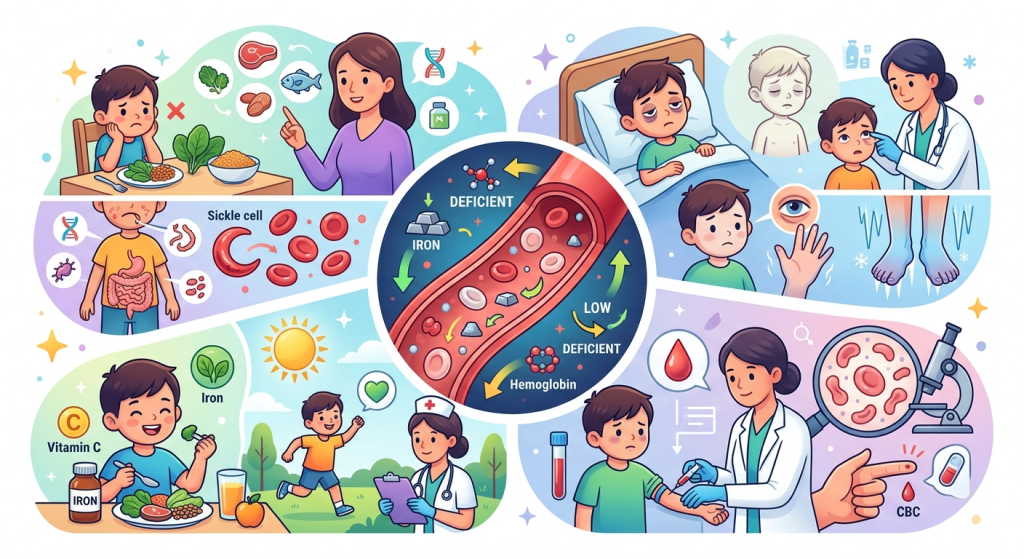
Childhood anemia is a common health condition that occurs when a child does not have enough healthy red blood cells or hemoglobin to carry adequate oxygen throughout the body. Hemoglobin is an important protein in red blood cells that helps transport oxygen to tissues and organs. When children develop anemia, they may feel weak, tired, pale, or have difficulty concentrating and growing properly.
Anemia can affect children of all ages, but it is especially common during periods of rapid growth, such as infancy, early childhood, and adolescence. Fortunately, many cases of childhood anemia can be prevented and treated through proper nutrition and medical care.
What Causes Childhood Anemia?
There are several possible causes of anemia in children. Understanding the underlying cause is important for proper treatment. Learn more
Iron Deficiency
Iron deficiency is the most common cause of childhood anemia. Iron is necessary for the body to produce hemoglobin. Children may become iron deficient if they:
- Do not eat enough iron-rich foods
- Drink excessive amounts of cow’s milk
- Experience rapid growth that increases iron needs
- Have poor absorption of nutrients
Vitamin Deficiencies
Low levels of vitamins such as vitamin B12 and folate can also lead to anemia because these nutrients help produce healthy red blood cells.
Blood Loss
Chronic blood loss from intestinal problems, injuries, or heavy menstrual bleeding in older girls may contribute to anemia.
Inherited Conditions
Certain inherited disorders such as sickle cell disease or thalassemia can affect red blood cell production and function.
Chronic Illnesses
Some long-term medical conditions may interfere with the body’s ability to produce healthy red blood cells.
Symptoms of Childhood Anemia
Symptoms may develop gradually and can vary depending on the severity of anemia. Common signs include:
- Fatigue or weakness
- Pale skin and lips
- Dizziness
- Shortness of breath
- Rapid heartbeat
- Poor appetite
- Irritability
- Difficulty concentrating
- Delayed growth and development
- Cold hands and feet
In severe cases, children may appear unusually tired or have reduced physical activity.
How Childhood Anemia Is Diagnosed
Doctors usually diagnose anemia through:
- Physical examination
- Review of symptoms and diet
- Blood tests to measure hemoglobin and iron levels
Additional tests may be needed to determine the exact cause of anemia.
Nutritional Solutions for Childhood Anemia
Good nutrition plays a major role in preventing and treating anemia in children.
Include Iron-Rich Foods
Parents should provide foods that contain plenty of iron, such as:
- Lean meat and liver
- Fish and poultry
- Eggs
- Beans and lentils
- Spinach and leafy greens
- Fortified cereals
- Nuts and seeds
Animal-based iron sources are generally absorbed more easily by the body.
Boost Iron Absorption With Vitamin C
Vitamin C helps the body absorb iron more effectively. Pairing iron-rich foods with vitamin C-rich foods can improve iron intake.
Good sources of vitamin C include:
- Oranges
- Strawberries
- Tomatoes
- Bell peppers
- Mangoes
- Pineapples
For example, serving beans with tomatoes or cereal with orange slices may help improve iron absorption.
Limit Excessive Cow’s Milk
Too much cow’s milk can reduce iron absorption and make children feel too full to eat iron-rich foods. Experts often recommend limiting milk intake to appropriate daily amounts based on age.
Encourage a Balanced Diet
A healthy diet containing proteins, fruits, vegetables, whole grains, and healthy fats supports overall growth and red blood cell production.
Use Supplements Only Under Medical Guidance
Doctors may prescribe iron supplements if dietary changes alone are insufficient. Parents should avoid giving iron supplements without professional advice because excessive iron can be harmful.
Preventing Childhood Anemia
Parents can help reduce the risk of anemia by:
- Providing balanced meals
- Introducing iron-rich foods early
- Encouraging healthy eating habits
- Scheduling regular health checkups
- Following recommended nutritional guidelines for children
Breastfed infants may also require iron supplementation at certain stages as advised by healthcare professionals.
When to See a Doctor
Parents should seek medical attention if a child:
- Appears unusually pale or weak
- Experiences persistent fatigue
- Has poor growth or appetite
- Shows symptoms that worsen over time
Early diagnosis and treatment can prevent complications and support healthy development.
Read: Childhood Eczema: Causes, Symptoms, and Relief Tips
Conclusion
Childhood anemia is a common but manageable condition that can affect a child’s energy, growth, and overall health. Iron deficiency remains the leading cause, but proper nutrition and early medical care can make a significant difference. By providing iron-rich foods, encouraging balanced meals, and monitoring symptoms, parents can help children maintain healthy blood levels and support their overall development.