Nutrition for Weight Loss: Science-Based Tips That Actually Work
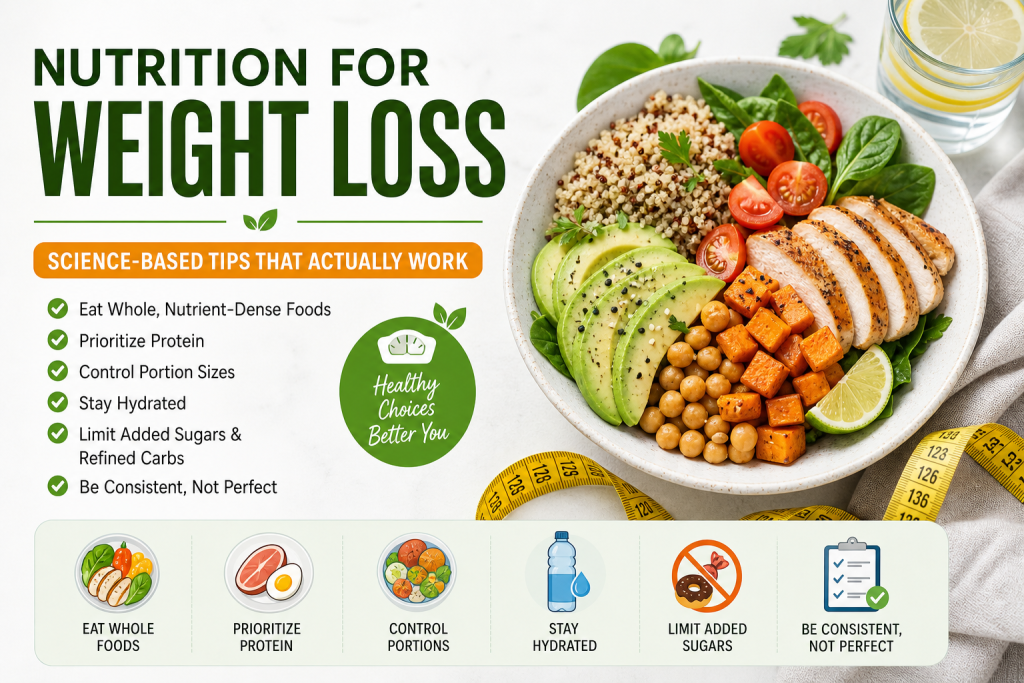
Losing weight isn’t about starving yourself or following extreme diets, it’s about understanding how nutrition works and using that knowledge to create sustainable habits. Science consistently shows that healthy weight loss comes from a balanced approach: eating the right foods, controlling portions, and maintaining consistency over time. If you want results that last, focus on strategies backed by research rather than quick fixes.
1. Create a Calorie Deficit; But Do It Smartly
At its core, weight loss depends on one principle: consuming fewer calories than your body burns. This is known as a calorie deficit. However, drastic calorie cuts can slow your metabolism and lead to muscle loss. Instead, aim for a moderate deficit by reducing portion sizes and choosing lower-calorie, nutrient-dense foods. This helps your body lose fat while maintaining energy levels. Learn more
2. Prioritize Protein Intake
Protein plays a key role in weight loss. It helps you feel full longer, reduces cravings, and supports muscle preservation. Foods like eggs, fish, lean meats, beans, and dairy products are excellent sources of protein. Research shows that increasing protein intake can naturally reduce calorie consumption by keeping hunger under control.
3. Choose Whole Foods Over Processed Foods
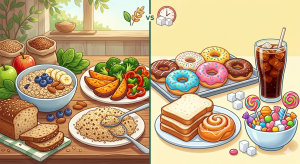
Whole foods such as fruits, vegetables, whole grains, nuts, and lean proteins are rich in nutrients and lower in empty calories. Processed foods, on the other hand, are often high in sugar, unhealthy fats, and additives that can lead to overeating. Eating more whole foods not only supports weight loss but also improves overall health.
4. Don’t Fear Healthy Fats
Not all fats are bad. Healthy fats from sources like avocados, nuts, seeds, and olive oil can actually support weight loss by increasing satiety. The key is moderation, as fats are calorie-dense. Including small portions in your meals can help you feel satisfied and prevent overeating.
5. Control Portion Sizes
Even healthy foods can lead to weight gain if consumed in large amounts. Learning portion control is essential. Use smaller plates, avoid eating directly from packages, and pay attention to hunger and fullness cues. Mindful eating can make a significant difference in how much you consume.
6. Stay Hydrated
Water plays a surprisingly important role in weight management. Sometimes, thirst is mistaken for hunger, leading to unnecessary snacking. Drinking water before meals can also help reduce calorie intake. Aim to stay hydrated throughout the day to support metabolism and overall body function.
7. Limit Added Sugars and Refined Carbs
Sugary drinks, pastries, and refined carbohydrates can cause rapid spikes and crashes in blood sugar levels, increasing hunger and cravings. Reducing these foods helps stabilize energy levels and supports fat loss. Opt for complex carbohydrates like brown rice, oats, and whole grains instead.
8. Eat More Fiber-Rich Foods
Fiber slows digestion, keeps you full longer, and supports gut health. Foods like vegetables, fruits, legumes, and whole grains are excellent sources of fiber. A high-fiber diet has been linked to reduced appetite and better weight control.
9. Plan Your Meals Ahead
Meal planning helps you make healthier choices and avoid impulsive eating. When you prepare meals in advance, you’re less likely to rely on fast food or unhealthy snacks. Having a structured eating plan can significantly improve consistency and results.
10. Be Consistent, Not Perfect
One of the most important lessons in weight loss is consistency. You don’t need to eat perfectly every day—what matters is your overall pattern. Occasional indulgences are fine, as long as you return to healthy habits. Sustainable weight loss is a long-term commitment, not a short-term challenge.
Read: The Importance of Regular Health Checkups
Conclusion
Effective weight loss is not about following the latest diet trend, it’s about building a healthy relationship with food. By focusing on balanced nutrition, portion control, and consistency, you can achieve lasting results. Science-based strategies like increasing protein, eating whole foods, and managing calorie intake provide a reliable path toward your goals.
Remember, the best diet is one you can maintain. Start small, stay consistent, and let your progress build over time.