Mouth Ulcers: Causes, Treatment, and Prevention Tips
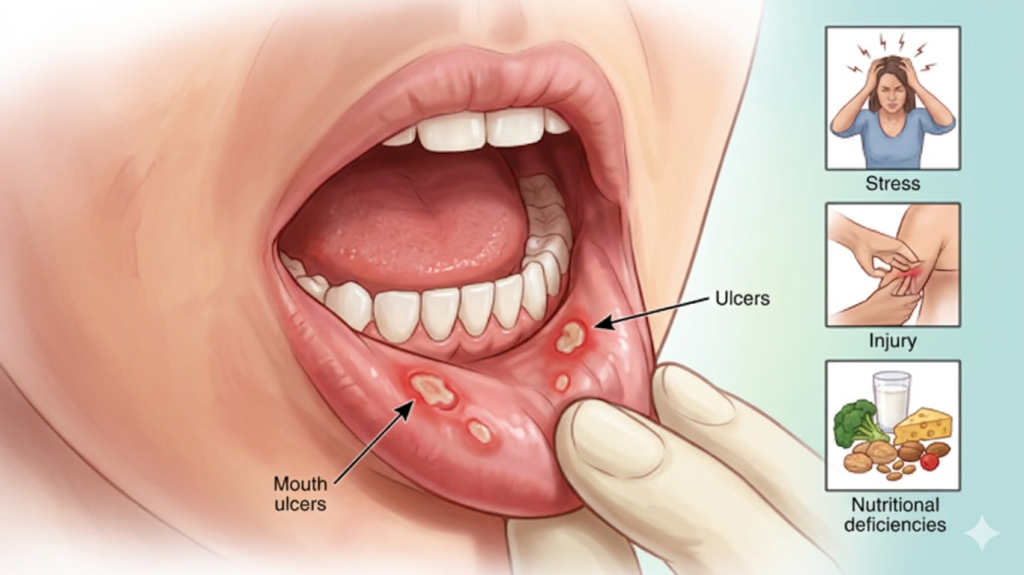
Mouth ulcers are small, painful sores that develop inside the mouth, often on the inner cheeks, lips, tongue, gums, or the roof of the mouth. Although they are usually harmless and heal on their own, mouth ulcers can cause significant discomfort, making it difficult to eat, drink, speak, or maintain proper oral hygiene.
Understanding the causes of mouth ulcers and knowing how to treat and prevent them can help reduce discomfort and promote faster healing.
What Are Mouth Ulcers?
Mouth ulcers, also known as canker sores or aphthous ulcers, are shallow lesions that appear on the soft tissues inside the mouth. They are not contagious and are different from cold sores, which are caused by the herpes simplex virus and typically occur outside the mouth.
Mouth ulcers can vary in size and severity. Most heal within one to two weeks without leaving scars, but recurring ulcers may indicate an underlying health issue. Learn more
Common Symptoms of Mouth Ulcers
Symptoms may include:
- Round or oval sores with a white, yellow, or gray center
- Red, inflamed borders around the ulcer
- Pain or burning sensation
- Difficulty eating, drinking, or speaking
- Increased sensitivity to spicy, salty, or acidic foods
- Mild swelling around the affected area
Some people experience a tingling or burning sensation before the ulcer becomes visible.
Common Causes of Mouth Ulcers
1. Minor Mouth Injuries
Accidental damage to the mouth’s soft tissues is one of the most common causes of ulcers.
Examples include:
- Biting the inside of the cheek
- Aggressive tooth brushing
- Poorly fitting dentures
- Sharp or broken teeth
- Dental procedures
Even small injuries can trigger ulcer formation.
2. Stress and Emotional Factors
Emotional stress and anxiety may increase the likelihood of developing mouth ulcers in some individuals. Stress can weaken the immune system and contribute to inflammation within the body.
3. Nutritional Deficiencies
A lack of certain nutrients may increase the risk of recurrent ulcers.
Common deficiencies include:
- Vitamin B12
- Iron
- Folate (Vitamin B9)
- Zinc
Maintaining a balanced diet can help support oral tissue health.
4. Certain Foods
Some foods may irritate sensitive tissues and trigger ulcers.
Potential triggers include:
- Spicy foods
- Citrus fruits
- Tomatoes
- Salty snacks
- Acidic beverages
Food sensitivities vary from person to person.
5. Hormonal Changes
Hormonal fluctuations during menstruation, pregnancy, or menopause may contribute to mouth ulcer development in some individuals.
6. Underlying Medical Conditions
Recurring or severe mouth ulcers may be associated with certain health conditions, including:
- Celiac disease
- Inflammatory bowel disease
- Behçet’s disease
- Autoimmune disorders
- HIV/AIDS
Persistent ulcers should always be evaluated by a healthcare professional.
7. Certain Medications
Some medications can increase the likelihood of mouth ulcers, including:
- Nonsteroidal anti-inflammatory drugs (NSAIDs)
- Certain blood pressure medications
- Chemotherapy drugs
Consult your healthcare provider if you suspect medication-related ulcers.
Types of Mouth Ulcers
Minor Ulcers
These are the most common type.
Characteristics:
- Small size
- Heal within 1–2 weeks
- Usually leave no scarring
Major Ulcers
These ulcers are larger and deeper.
Characteristics:
- More painful
- Longer healing time
- May leave scars
Herpetiform Ulcers
Despite the name, these are not caused by the herpes virus.
Characteristics:
- Multiple tiny ulcers
- May merge into larger sores
- Often recur frequently
Effective Treatment Options
Salt Water Rinse
A simple salt water rinse can help keep the mouth clean and promote healing.
How to use:
- Dissolve half a teaspoon of salt in warm water.
- Swish gently for 30 seconds.
- Repeat several times daily.
Baking Soda Rinse
Baking soda may help neutralize acids and reduce irritation.
Over-the-Counter Treatments
Products available at pharmacies may include:
- Protective ulcer gels
- Antiseptic mouth rinses
- Pain-relieving gels
- Medicated patches
These treatments can help reduce discomfort and speed healing.
Maintain Good Oral Hygiene
Gentle brushing and regular flossing help reduce bacterial buildup and support healing.
Choose:
- Soft-bristled toothbrushes
- Non-irritating toothpaste
- Alcohol-free mouthwashes
Stay Hydrated
Adequate hydration supports overall tissue repair and helps maintain a healthy oral environment.
Foods to Eat During Healing
Soft, non-irritating foods are often easier to tolerate.
Examples include:
- Yogurt
- Mashed potatoes
- Oatmeal
- Smoothies
- Scrambled eggs
- Bananas
- Soups
These foods help minimize discomfort while providing essential nutrients.
Foods to Avoid
To prevent irritation, limit:
- Spicy foods
- Acidic fruits
- Salty snacks
- Carbonated beverages
- Very hot foods and drinks
Avoiding triggers can help ulcers heal more comfortably.
Prevention Tips for Mouth Ulcers
Maintain Excellent Oral Hygiene
Healthy gums and teeth help reduce irritation and lower the risk of ulcer formation.
Use a Soft-Bristled Toothbrush
Gentle brushing reduces the chance of accidental tissue injury.
Eat a Balanced Diet
Include foods rich in:
- Iron
- Vitamin B12
- Folate
- Zinc
- Protein
Proper nutrition supports oral tissue repair and immune function.
Manage Stress
Stress-reduction techniques may help reduce recurring ulcers.
Helpful strategies include:
- Regular exercise
- Meditation
- Deep breathing exercises
- Adequate sleep
Identify Trigger Foods
Keeping a food diary can help identify foods that may contribute to ulcer outbreaks.
Schedule Regular Dental Checkups
Routine dental visits can identify sharp teeth, poorly fitting dental appliances, and other issues that may cause repeated mouth injuries.
When to See a Doctor or Dentist
Seek professional advice if:
- Ulcers last longer than two weeks
- The sores are unusually large
- Pain becomes severe
- Ulcers occur frequently
- You have difficulty eating or drinking
- Fever accompanies the ulcers
- Multiple ulcers appear repeatedly
Persistent or recurrent ulcers may indicate an underlying medical condition requiring further evaluation.
The Importance of Oral Health
Healthy oral tissues play a vital role in speaking, eating, and overall well-being. While mouth ulcers are often temporary, recurring sores can affect nutrition, comfort, and quality of life. Early treatment and preventive measures can help minimize discomfort and support long-term oral health.
Read: Benefits of Using Natural Oils for Hair Care
Conclusion
Mouth ulcers are common, painful sores that can develop for many reasons, including minor injuries, stress, nutritional deficiencies, food sensitivities, and certain medical conditions. Although most ulcers heal on their own, proper care can speed recovery and reduce discomfort.
By practicing good oral hygiene, maintaining a nutrient-rich diet, managing stress, and avoiding known triggers, you can significantly reduce your risk of developing mouth ulcers. If ulcers become persistent, severe, or recurrent, seeking professional medical advice is essential for proper diagnosis and treatment.