How to Maintain Proper Vaginal Hygiene Naturally
Vaginal health is an essential part of a woman’s overall well-being. The vagina is a self-cleaning organ that naturally maintains a healthy balance of bacteria and pH levels. However, daily habits, lifestyle choices, and hygiene practices can influence this delicate balance. Understanding how to maintain proper vaginal hygiene naturally can help prevent infections, discomfort, unpleasant odors, and other health concerns.
In this guide, we’ll explore safe and natural ways to support vaginal health while preserving the body’s natural protective mechanisms.
Understanding Vaginal Hygiene
Many women mistakenly believe that extensive cleaning is necessary to keep the vagina healthy. In reality, the vagina cleans itself through natural secretions that remove dead cells and bacteria. Healthy vaginal discharge is normal and helps maintain a balanced environment.
Natural vaginal hygiene focuses on supporting the body’s processes rather than disrupting them with harsh products or excessive cleansing. Learn more
Wash the External Area Gently
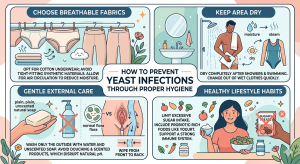
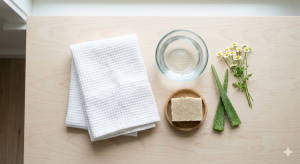
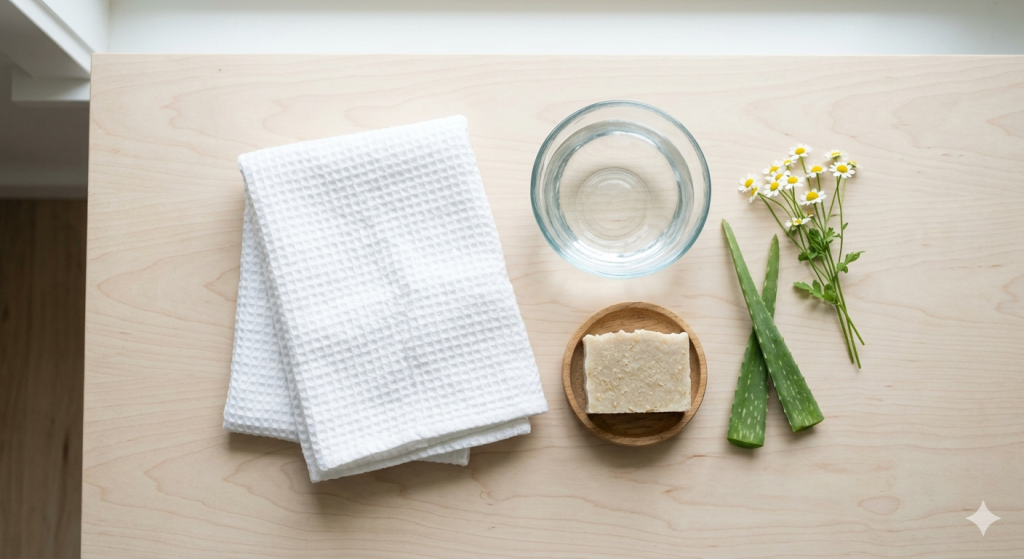
The vulva, which includes the external genital area, should be cleaned daily using warm water. If desired, a mild, fragrance-free soap can be used on the outer skin.
Tips for Gentle Cleansing
- Wash the external area once daily.
- Use lukewarm water.
- Avoid scrubbing aggressively.
- Pat the area dry with a clean towel.
- Avoid scented soaps, sprays, and deodorants.
Overwashing or using harsh products can remove beneficial bacteria and irritate sensitive tissues.
Avoid Douching
Douching involves flushing the vagina with water or cleansing solutions. Although often marketed as a way to stay clean, douching can actually disrupt the natural bacterial balance and increase the risk of infections.
Potential risks of douching include:
- Bacterial vaginosis
- Yeast infections
- Pelvic inflammatory disease
- Vaginal irritation
Healthcare professionals generally recommend avoiding douching altogether.
Wear Breathable Cotton Underwear
The vaginal area thrives in a dry, breathable environment. Cotton underwear helps absorb moisture and allows air circulation, reducing the risk of bacterial and fungal growth.
Underwear Hygiene Tips
- Choose 100% cotton underwear whenever possible.
- Change underwear daily.
- Change immediately after sweating heavily.
- Avoid overly tight clothing for long periods.
Breathable fabrics can significantly contribute to maintaining comfort and freshness.
Practice Proper Bathroom Hygiene
Simple bathroom habits can help prevent the spread of harmful bacteria.
Recommended Practices
- Always wipe from front to back after using the toilet.
- Wash your hands before and after using the restroom.
- Change sanitary products regularly during menstruation.
These habits reduce the likelihood of bacteria entering the urinary tract or vaginal area.
Maintain Good Menstrual Hygiene
Menstrual hygiene plays a crucial role in vaginal health.
During Your Period
- Change pads every 4–6 hours or as needed.
- Change tampons every 4–8 hours.
- Empty and clean menstrual cups according to manufacturer instructions.
- Wash the external genital area regularly with water.
Proper menstrual care helps reduce odor, irritation, and infection risks.
Eat a Balanced Diet
Nutrition affects every aspect of health, including the vaginal microbiome.
Foods That Support Vaginal Health
- Yogurt with live cultures
- Kefir
- Fruits and vegetables
- Whole grains
- Lean proteins
- Fermented foods
These foods may help support healthy bacteria levels and overall immune function.
Stay Hydrated
Drinking enough water supports healthy tissues, natural lubrication, and overall bodily functions.
Practice Safe Sexual Hygiene
Sexual activity can introduce bacteria into the vaginal area. Good hygiene before and after intimacy can help reduce infection risks.
Helpful Habits
- Urinate after sexual activity.
- Wash the external genital area gently afterward.
- Use protection when appropriate.
- Ensure intimate products are clean and used correctly.
Communication with sexual partners about hygiene and sexual health is also important.
Avoid Scented Feminine Products
Many feminine hygiene products contain fragrances and chemicals that can irritate sensitive skin and disrupt the vaginal microbiome.
Products to avoid include:
- Scented wipes
- Vaginal deodorants
- Perfumed sprays
- Scented pads or tampons
- Bubble baths with strong fragrances
Natural freshness comes from maintaining a healthy bacterial balance rather than masking odors.
Change Out of Wet Clothing Promptly
Moist environments encourage the growth of bacteria and yeast.
After swimming or exercising:
- Change out of wet swimsuits promptly.
- Remove sweaty workout clothes as soon as possible.
- Dry the area thoroughly before putting on fresh clothing.
Keeping the area dry helps maintain a healthy environment.
Manage Stress and Get Enough Sleep
Stress can affect hormone levels and immune function, which may indirectly impact vaginal health.
To support overall wellness:
- Aim for 7–9 hours of sleep each night.
- Practice relaxation techniques.
- Exercise regularly.
- Maintain a healthy work-life balance.
A strong immune system helps the body maintain healthy bacterial balance naturally.
Recognize When Something Is Not Normal
While mild variations in discharge and odor are normal, certain symptoms may indicate an infection or other medical issue.
Seek medical attention if you experience:
- Persistent itching
- Burning sensations
- Strong fishy odor
- Unusual discharge color
- Pain during urination
- Pelvic pain
- Bleeding unrelated to menstruation
Early diagnosis and treatment can prevent complications.
Read: How to Prevent Plaque Buildup and Tooth Decay Naturally
Conclusion
Maintaining proper vaginal hygiene naturally is about supporting the body’s own protective systems rather than relying on harsh cleansing products. Gentle washing, breathable clothing, healthy eating, proper menstrual care, and safe sexual practices can all contribute to a balanced and healthy vaginal environment.
By adopting these simple daily habits, women can reduce the risk of infections, improve comfort, and support long-term reproductive health naturally. Consistency and awareness are key to maintaining optimal vaginal hygiene and overall well-being.