How Inflation Reshapes the Way We Live and Spend
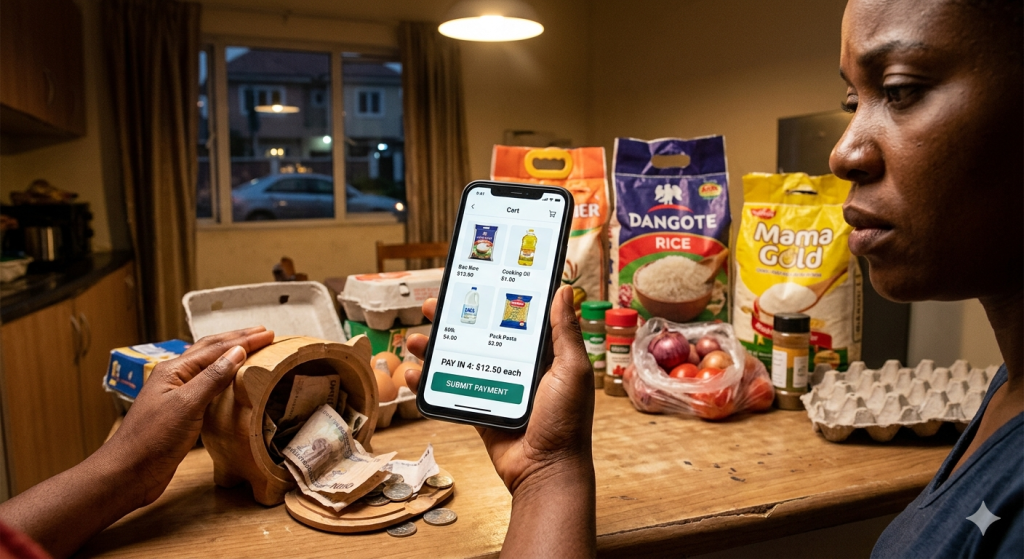
Inflation is more than just a headline on the evening news; it is a quiet thief that fundamentally alters the “financial architecture” of our daily lives. When the purchasing power of currency declines, consumers don’t just pay more, they change how they think, move, and eat.
🛒 The “Shrinkflation” and Substitution Effect
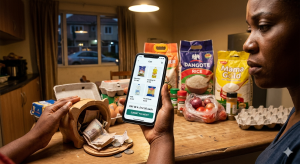
One of the most immediate shifts happens in the grocery aisle. Consumers become masters of the “substitution effect,” trading down to protect their bank accounts.
- Brand Loyalty vs. Generic Value: Shoppers frequently ditch premium household names for store-brand or generic alternatives to maintain their volume of goods.
- Shrinkflation Awareness: Many brands reduce the size or weight of a product while keeping the price the same. Consumers respond by checking unit prices (price per ounce or gram) rather than the sticker price.
- Bulk Buying: To hedge against future price hikes, households with enough upfront liquidity often pivot to bulk purchasing, turning pantries into miniature warehouses. Learn more
🏠 The Home as the New Hub
Inflation often forces a “retrenchment” into the home. As the cost of experiences dining out, cinema tickets, and travel rises faster than wages, the home becomes the primary center for entertainment and work.
- The “Staycation” Pivot: Large-scale travel is often replaced by local exploration or home-based DIY projects.
- Cooking at Home: Dining out moves from a routine convenience to a “special occasion” luxury. This shift often sparks a secondary interest in meal prepping and sustainable cooking to minimize food waste.
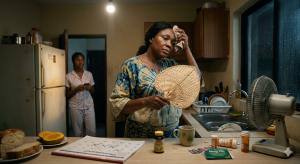
- Energy Consciousness: Rising utility costs lead to behavioral changes like “vampire power” awareness (unplugging unused devices) and adjusting thermostats to save on monthly overheads.
💳 The Shift in Debt and Credit Usage
Inflation significantly alters how people interact with credit and savings, often leading to a “liquidity crunch.”
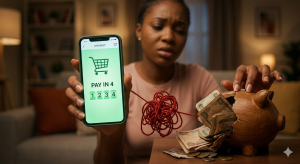
- Reliance on Credit: When prices rise faster than income, many households turn to credit cards or “Buy Now, Pay Later” (BNPL) services to bridge the gap for essential goods.
- Invisible Debt Stacking: Consumers may find themselves “stacking” multiple small installment plans, which can lead to an “illusion of liquidity” where they feel they have more spending power than they actually do.
- Decreased Savings Rate: As the cost of living climbs, the “margin of safety” in personal budgets shrinks, making it harder to contribute to emergency funds or long-term investments.
🚦 Transportation and Mobility
How we get from point A to point B is often the first thing to be optimized when fuel and insurance costs spike.
- Trip Chaining: Instead of three separate errands, consumers practice “trip chaining” combining multiple tasks into one efficient driving route to save on fuel
- Micro-mobility: In urban areas, there is often a surge in the use of bicycles, electric scooters, or public transit as the cost of vehicle maintenance and fuel becomes prohibitive.
Read: Buy Now, Pay Later: Ultimate Convenience or a Modern Debt Trap?
💡 The “Frictionless” Risk
As mentioned in previous discussions on BNPL services, inflation can drive people toward “frictionless” payment methods. Because paying in full feels more painful during high inflation, the ease of splitting payments can “anaesthetize” the pain of paying, potentially leading to overspending even when the budget is tight.
Summary of Behavioral Changes
| Category | Spending Shift |
| Groceries | Move to store brands and bulk buying. |
| Leisure | Shift from dining out to “at-home” entertainment. |
| Finance | Increased use of short-term credit and BNPL. |
| Energy | Higher sensitivity to home utility usage. |