Effective Home Remedies for a Stuffy Nose
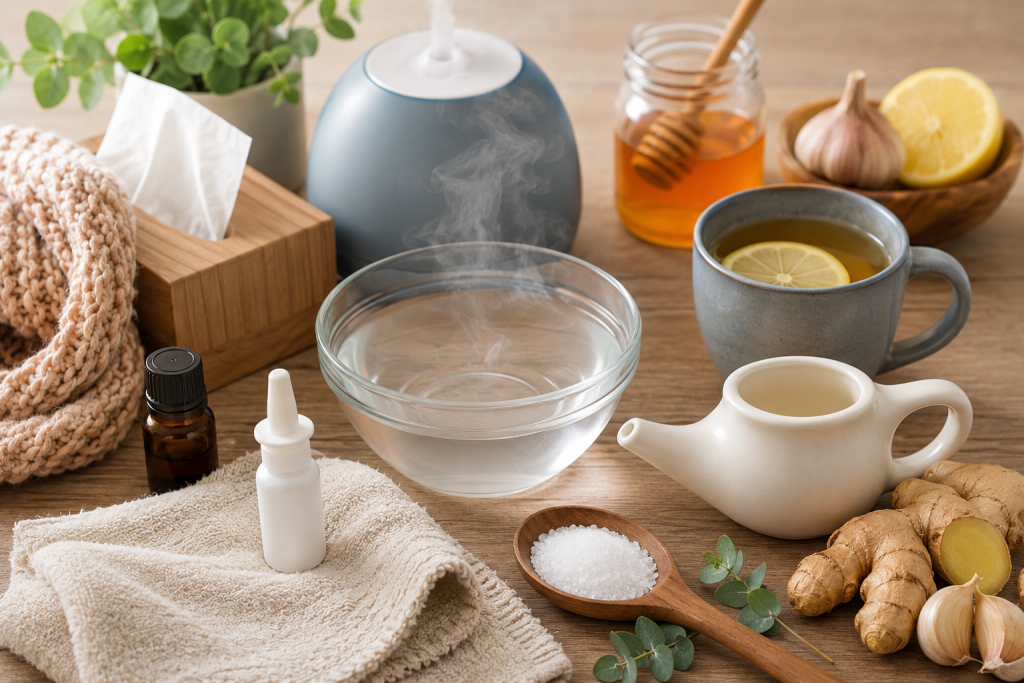
A stuffy nose, also known as nasal congestion, is a common condition that can make breathing difficult and interfere with daily activities and sleep. It often occurs when the tissues lining the nasal passages become inflamed due to colds, allergies, sinus infections, or environmental irritants. While many cases of nasal congestion resolve on their own, several effective home remedies can help ease symptoms and promote faster relief.
Understanding how to manage a stuffy nose at home can improve comfort and support better respiratory health without the need for extensive medical treatment.
What Causes a Stuffy Nose?
Nasal congestion may result from:
- Common cold and viral infections
- Seasonal or year-round allergies
- Sinus infections
- Dry air
- Environmental irritants such as smoke and pollution
- Nasal polyps
- Deviated septum
- Hormonal changes
Regardless of the cause, congestion often develops when blood vessels inside the nose become swollen and excess mucus accumulates. Learn more
1. Stay Well Hydrated
One of the simplest and most effective remedies for nasal congestion is drinking plenty of fluids.
Hydration helps:
- Thin mucus
- Improve sinus drainage
- Prevent dryness in nasal tissues
Good hydration options include:
- Water
- Herbal teas
- Clear broths
- Warm lemon water
Avoid excessive consumption of sugary drinks, which may contribute to inflammation.
2. Inhale Steam
Steam inhalation can temporarily relieve congestion by moisturizing irritated nasal passages and loosening thick mucus.
How to Use Steam Safely
- Take a warm shower.
- Sit in a steamy bathroom.
- Carefully inhale steam from a bowl of hot water while keeping a safe distance from the heat.
Steam may not cure the underlying cause but can provide immediate comfort and easier breathing.
3. Use a Saline Nasal Spray
Saline nasal sprays help flush irritants and excess mucus from the nose.
Benefits Include:
- Moisturizing dry nasal passages
- Reducing congestion
- Supporting sinus drainage
- Removing allergens and pollutants
Saline sprays are generally safe for regular use and suitable for both adults and children.
4. Try Nasal Irrigation
Nasal irrigation involves rinsing the nasal passages with a saline solution using a neti pot or squeeze bottle.
Potential Benefits:
- Clears mucus buildup
- Removes allergens
- Reduces inflammation
- Improves airflow
Always use sterile, distilled, or previously boiled water to prepare saline solutions.
5. Use a Humidifier
Dry indoor air can worsen nasal congestion and irritate the nasal lining.
A humidifier helps:
- Add moisture to the air
- Prevent nasal dryness
- Improve breathing comfort
- Support mucus clearance
Regular cleaning of the humidifier is important to prevent mold and bacterial growth.
6. Apply a Warm Compress
A warm compress placed over the nose and forehead can help relieve sinus pressure and promote mucus drainage.
How to Apply:
- Soak a clean cloth in warm water.
- Wring out excess water.
- Place it over the nose and sinus area for several minutes.
This remedy may be especially helpful for congestion associated with sinus inflammation.
7. Elevate Your Head While Sleeping
Lying flat can make congestion feel worse by allowing mucus to accumulate in the nasal passages.
To Improve Drainage:
- Use an extra pillow.
- Slightly elevate your upper body.
This position may reduce nighttime congestion and improve sleep quality.
8. Consume Warm Soups and Broths
Chicken soup has long been considered a traditional remedy for congestion, and there may be some truth behind its benefits.
Warm liquids can:
- Help thin mucus
- Soothe irritated tissues
- Promote hydration
- Provide temporary relief from congestion
Vegetable soups and clear broths can offer similar benefits.
9. Eat Spicy Foods
Spicy foods containing chili peppers, cayenne, or hot sauces may temporarily open nasal passages.
Capsaicin, the active ingredient in peppers, can:
- Stimulate mucus flow
- Improve nasal drainage
- Provide short-term relief from blockage
Individuals with digestive sensitivities should consume spicy foods cautiously.
10. Avoid Nasal Irritants
Certain environmental factors can worsen nasal congestion.
Common irritants include:
- Cigarette smoke
- Strong perfumes
- Cleaning chemicals
- Dust
- Air pollution
Reducing exposure to these triggers can help decrease inflammation and support healing.
11. Practice Allergy Control Measures
If allergies contribute to your congestion, minimizing allergen exposure can make a significant difference.
Helpful strategies include:
- Washing bedding regularly
- Vacuuming frequently
- Keeping pets out of sleeping areas
- Using allergen-proof mattress covers
- Keeping windows closed during high-pollen seasons
12. Get Adequate Rest
Your body needs energy to recover from infections and inflammation.
Quality sleep helps:
- Strengthen immune function
- Reduce stress
- Support healing processes
Rest is especially important when congestion is caused by viral illnesses.
Foods That May Support Nasal Health
Certain foods may help reduce inflammation and support respiratory wellness:
- Citrus fruits
- Ginger
- Garlic
- Turmeric
- Leafy greens
- Fatty fish rich in omega-3 fatty acids
- Pineapple
Combining these foods with proper hydration can support overall sinus health.
When to See a Doctor
While most cases of nasal congestion improve with home care, medical evaluation may be necessary if:
- Symptoms last longer than 10–14 days
- Congestion becomes severe
- You develop a high fever
- Facial pain or swelling occurs
- You experience recurring sinus infections
- Breathing difficulties worsen
Persistent congestion may indicate an underlying condition that requires professional treatment.
Read: Understanding Chronic Rhinitis and Its Management
Conclusion
A stuffy nose can be frustrating, but many effective home remedies can provide relief. Staying hydrated, using saline sprays, inhaling steam, applying warm compresses, and maintaining a healthy environment can help reduce congestion and improve breathing naturally.
Although these remedies often work well for mild to moderate congestion, ongoing or severe symptoms should be evaluated by a healthcare professional. By combining proper self-care with healthy lifestyle habits, you can support your nasal passages, ease discomfort, and breathe more comfortably.