Climate Change and Global Health: The Defining Crisis of Our Time
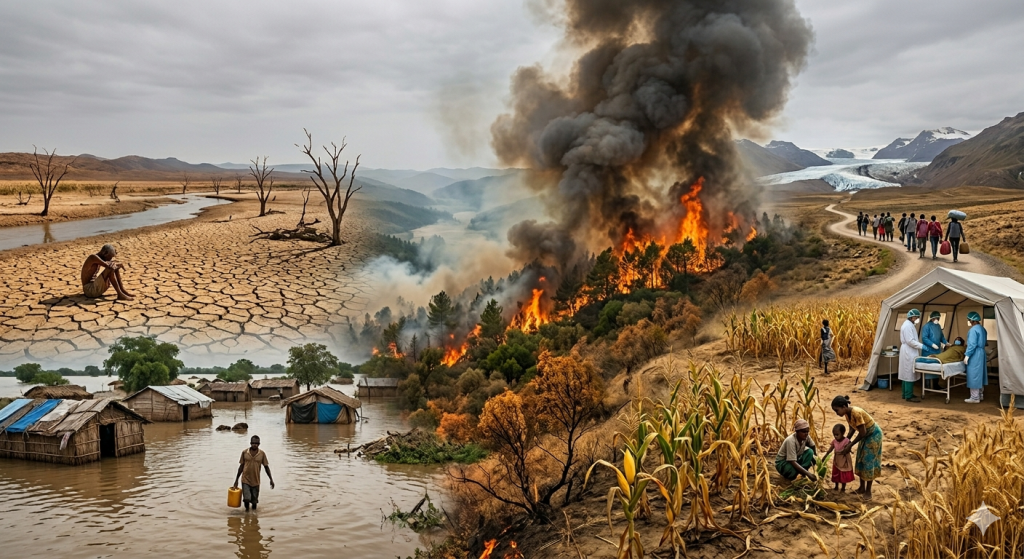
Climate change is no longer just a distant environmental prediction; it has become a present-day medical emergency. As global temperatures continue to rise, the stability of the essential systems that support human health clean air, safe water, and secure food supplies is being systematically undermined. In 2026, the global medical community is increasingly focused on how these environmental shifts are creating a “risk multiplier” effect, turning manageable health issues into widespread crises.
1. Extreme Heat and Cardiovascular Strain
Rising mean annual temperatures have led to a direct surge in heat-related illnesses and mortality. When the body is exposed to prolonged high temperatures, it struggles to regulate its internal cooling system, leading to a cascade of physical stress.
- Physiological Impact: Extreme heat causes heatstroke, severe exhaustion, and significantly exacerbates chronic conditions such as cardiovascular and renal diseases.
- The Labor Toll: Beyond immediate illness, rising heat limits the ability to safely perform outdoor work, impacting the livelihoods of millions and indirectly affecting community nutrition and economic stability. Learn more
2. The Shift in Infectious Disease Dynamics
One of the most alarming trends in recent years is how climate change alters the behavior of pathogens. Approximately two-thirds of human infectious diseases are sensitive to climatic factors.
- Vector-Borne Diseases: Warmer temperatures allow mosquitoes and ticks to develop faster and expand their habitats into higher latitudes and altitudes. This has led to a resurgence of diseases like Dengue, Zika, and Malaria in regions that were previously considered safe.
- Waterborne Pathogens: Changing rainfall patterns create a dual threat. While flooding often leads to the contamination of drinking water with fecal matter triggering outbreaks of Cholera severe droughts force populations to rely on stagnant, unsafe water sources, further spreading enteric diseases.
3. Air Quality and Respiratory Health
The intersection of rising temperatures and air pollution creates a “toxic cocktail” for the respiratory system.
- Allergens: Higher carbon dioxide levels and warmer weather prolong pollen seasons, leading to more frequent and severe asthma attacks and hay fever.
- Wildfires and Particulates: Increasing frequency of droughts has made intense wildfires a common occurrence. These fires release fine particulate matter (PM2.5) that can travel thousands of miles, causing long-term lung damage and a spike in hospital admissions for respiratory distress.
4. Food Insecurity and “Hidden Hunger”
Climate change disrupts the global food chain by both damaging agricultural production and reducing the actual nutritional value of the crops that do survive.
- Crop Yields: Shifting rainfall patterns and extreme weather events lead to frequent crop failures, particularly in regions that rely on stable seasons.
- Nutritional Depletion: Interestingly, high $CO_2$ levels can lower the protein and essential mineral content in staple crops like rice and wheat. This leads to “hidden hunger,” where people may consume enough calories but lack the vital micronutrients needed for growth and immune function.
5. The “Invisible” Crisis: Mental Health and Displacement
Perhaps the most overlooked health threat is the impact on psychological well-being. The constant threat of environmental loss and the trauma of surviving disasters take a heavy toll.
- Eco-Anxiety: The persistent threat of climate catastrophe has led to a rise in “climate grief” and anxiety, particularly among younger generations.
- Trauma and Displacement: Survivors of floods, hurricanes, and wildfires often suffer from long-term Post-Traumatic Stress Disorder (PTSD). Furthermore, as areas become uninhabitable, forced migration ruptures community bonds, leading to increased social instability and mental health decline.
Read: Alzheimer’s Disease vs. Normal Aging: Understanding the Difference
Conclusion
The relationship between climate change and global health is a complex web of direct physical threats and indirect social erosions. While the physical impacts like heatstroke and infectious disease outbreaks are the most visible, the long-term degradation of our food security and mental resilience may prove even more devastating in the coming decades.
To protect public health, we must move beyond viewing climate change solely as an environmental issue and recognize it as a health imperative. Protecting the planet is no longer just about “nature” it is about safeguarding the very air we breathe, the water we drink, and our collective ability to live healthy, productive lives. Adopting sustainable practices and pushing for resilient healthcare systems are the only ways to ensure a healthy future for the next generation.