How Social Media Is Affecting Your Mental Health
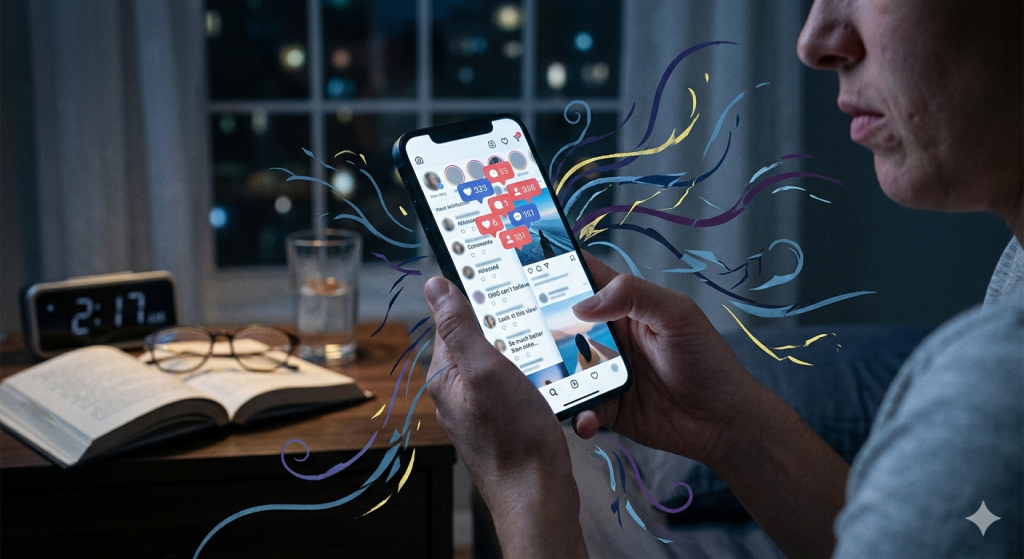
Social media has become a major part of our daily lives. From checking updates in the morning to scrolling before bed, platforms like Instagram, TikTok, and Facebook shape how we think, feel, and interact with the world. While social media can be entertaining and informative, it also has a powerful impact on mental health both positive and negative.
Understanding how social media affects your mind is essential for maintaining emotional balance and overall well-being.
The Positive Effects of Social Media on Mental Health
Before diving into the negatives, it’s important to recognize that social media is not entirely harmful. When used correctly, it can support mental health in several ways.
1. Connection and Communication
Social media helps people stay connected with friends, family, and communities worldwide. For individuals who feel isolated, it can provide a sense of belonging and emotional support. Learn more
2. Access to Support Groups
Many people find comfort in online communities where they can share experiences related to anxiety, depression, or other challenges. These platforms create safe spaces for open discussions.
3. Mental Health Awareness
Social media has played a big role in spreading awareness about mental health. It encourages conversations, reduces stigma, and promotes self-care practices.
4. Educational Content
There is a wealth of information available on social media, including tips on managing stress, improving sleep, and boosting mental wellness.
The Negative Effects of Social Media on Mental Health
Despite its benefits, excessive or unhealthy use of social media can negatively impact mental health in several ways.
1. Increased Anxiety and Stress
Constant notifications, messages, and updates can overwhelm the brain. The pressure to stay connected and respond quickly can lead to anxiety and mental fatigue.
2. Comparison and Low Self-Esteem
Social media often shows a “perfect” version of people’s lives, filtered photos, achievements, and happy moments. Comparing yourself to these unrealistic standards can lead to:
- Low self-esteem
- Feelings of inadequacy
- Body image issues
3. Addiction and Time Wasting
Scrolling endlessly can become addictive. Many people spend hours online without realizing it, reducing productivity and increasing stress about unfinished tasks.
4. Sleep Disruption
Using social media late at night can interfere with sleep. The blue light from screens affects your body’s natural sleep cycle, while engaging content keeps your mind active.
5. Fear of Missing Out (FOMO)
Seeing others attend events, travel, or achieve milestones can make you feel left out. This fear can lead to sadness, loneliness, and dissatisfaction with your own life.
6. Cyberbullying and Online Harassment
Negative comments, trolling, and cyberbullying can have serious emotional effects, including:
- Depression
- Anxiety
- Loss of confidence
Signs Social Media Is Affecting Your Mental Health
You may not always notice the impact immediately. Here are some warning signs to watch out for:
- Feeling anxious or upset after using social media
- Comparing yourself constantly to others
- Spending more time online than intended
- Difficulty sleeping after scrolling
- Feeling lonely despite being connected
- Decreased focus and productivity
How to Use Social Media in a Healthy Way
The key is not to completely avoid social media but to use it mindfully.
1. Set Time Limits
Limit how much time you spend on social media daily. Use apps or built-in phone settings to track usage.
2. Follow Positive Content
Unfollow accounts that make you feel bad about yourself. Instead, follow pages that inspire, educate, or uplift you.
3. Take Breaks
Regular digital detoxes can help reset your mind. Even taking a few hours off daily can make a big difference.
4. Avoid Late-Night Scrolling
Try to stop using social media at least 1 hour before bedtime to improve sleep quality.
5. Focus on Real-Life Connections
Spend more time with family and friends offline. Real-life interactions are essential for emotional well-being.
6. Be Mindful of Your Emotions
Pay attention to how you feel while using social media. If something makes you uncomfortable or unhappy, step away.
The Balance Between Online and Offline Life
Social media is a powerful tool, but like anything else, too much of it can be harmful. The goal is to find a balance that allows you to enjoy its benefits without damaging your mental health.
Remember, what you see online is not always reality. Everyone has struggles, even if they don’t show them.
Conclusion
Social media can either support or harm your mental health depending on how you use it. While it offers connection, education, and entertainment, it can also lead to anxiety, low self-esteem, and addiction when used excessively.
By setting boundaries, being mindful, and prioritizing real-life connections, you can protect your mental health while still enjoying the digital world.