Everyday Foods That Are Secretly Harmful to Your Health
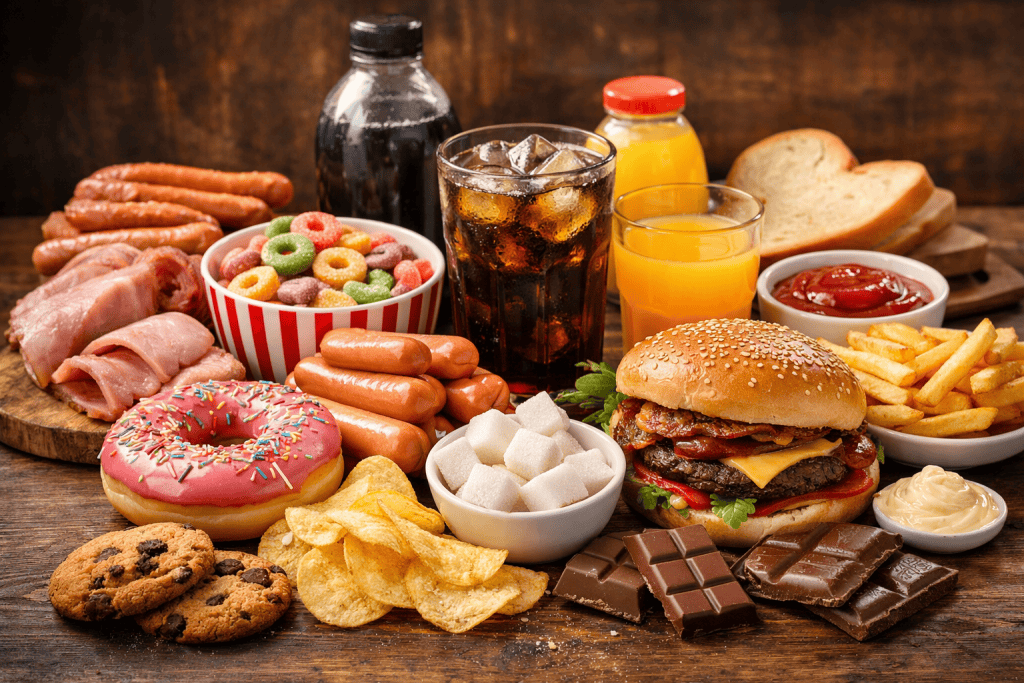
Many of the foods we eat daily seem harmless or even healthy but some of them can negatively affect your body over time. The danger isn’t always obvious because these foods are often marketed as nutritious, convenient, or “low-fat.” However, regular consumption of certain items can increase the risk of chronic diseases, fatigue, weight gain, and other health issues.
In this article, we’ll explore common everyday foods that may be secretly harming your health and what you can eat instead.
1. Processed Meats
Processed meats like sausages, hot dogs, bacon, and deli meats are convenient and tasty, but they often contain preservatives such as nitrates and nitrites. These chemicals can form harmful compounds in the body, increasing the risk of certain cancers and heart disease.
They are also high in sodium, which can lead to high blood pressure and water retention.
Healthier alternative:
Opt for fresh, unprocessed meats like grilled chicken, turkey, or fish. Plant-based proteins like beans and lentils are also excellent options.
2. Sugary Breakfast Cereals
Many breakfast cereals are marketed as healthy, especially those labeled “low-fat” or “whole grain.” However, they often contain high amounts of added sugar, artificial flavors, and refined carbohydrates.
Eating sugary cereals in the morning can cause a rapid spike in blood sugar, followed by a crash that leaves you feeling tired and hungry.
Healthier alternative:
Choose oatmeal, plain yogurt with fruits, or whole-grain options with little to no added sugar. Learn more
3. White Bread and Refined Grains
White bread, white rice, and other refined grains have been stripped of their fiber and nutrients during processing. This makes them digest quickly, causing blood sugar spikes and increased hunger shortly after eating.
Over time, frequent consumption can contribute to weight gain and increase the risk of type 2 diabetes.
Healthier alternative:
Switch to whole grains like brown rice, whole wheat bread, quinoa, and oats.
4. Flavored Yogurt
Yogurt is often considered a healthy snack, but flavored varieties can contain as much sugar as desserts. These added sugars reduce the health benefits and can contribute to weight gain and metabolic issues.
Healthier alternative:
Choose plain yogurt and add natural sweeteners like fresh fruits or a small amount of honey.
5. Fruit Juices
Fruit juice sounds healthy because it comes from fruit, but most store-bought juices are high in sugar and lack the fiber found in whole fruits. Drinking juice can spike your blood sugar just like sugary drinks.
Even 100% fruit juice should be consumed in moderation.
Healthier alternative:
Eat whole fruits instead, or drink water infused with slices of fruit for flavor.
6. Fried Foods
Fried foods such as fries, fried chicken, and snacks are high in unhealthy fats and calories. They often contain trans fats, which can increase bad cholesterol (LDL) and lower good cholesterol (HDL).
Regular consumption can lead to heart disease, obesity, and inflammation.
Healthier alternative:
Try baking, grilling, or air-frying foods instead of deep frying.
7. Margarine and Processed Spreads
Some margarines and spreads contain trans fats, which are harmful to heart health. Even when labeled “trans-fat-free,” small amounts may still be present.
These fats can increase the risk of cardiovascular diseases and inflammation.
Healthier alternative:
Use natural options like olive oil, avocado, or small amounts of real butter.
8. Diet Soft Drinks
Many people switch to diet sodas to avoid sugar, but these drinks contain artificial sweeteners that may affect metabolism and increase cravings for sweet foods.
Some studies suggest they may also disrupt gut health and contribute to weight gain over time.
Healthier alternative:
Drink water, sparkling water, or natural fruit-infused drinks. Learn more
9. Packaged Snack Foods
Chips, biscuits, and other packaged snacks are often loaded with salt, unhealthy fats, and artificial additives. These foods are designed to be addictive, making it easy to overeat them.
They provide little nutritional value and can contribute to obesity and high blood pressure.
Healthier alternative:
Snack on nuts, fruits, or homemade snacks with natural ingredients.
10. Low-Fat and Fat-Free Products
Low-fat products may sound healthy, but when fat is removed, manufacturers often add sugar, salt, or artificial ingredients to improve taste.
This can make these products just as unhealthy or even worse than their full-fat versions.
Healthier alternative:
Choose whole, minimally processed foods and don’t fear healthy fats from sources like nuts, seeds, and olive oil.
Why These Foods Are Harmful
The common problem with these foods is that they are highly processed and contain:
- Added sugars
- Unhealthy fats
- Excess sodium
- Artificial additives
These ingredients can disrupt your metabolism, increase inflammation, and raise the risk of chronic diseases such as heart disease, diabetes, and obesity.
How to Protect Your Health
Improving your diet doesn’t mean you have to give up all your favorite foods. Instead, focus on making smarter choices:
- Read food labels carefully
- Reduce intake of processed foods
- Cook more meals at home
- Choose whole, natural ingredients
- Stay hydrated with water
Small changes over time can have a big impact on your overall health.
Conclusion
Many everyday foods that seem harmless can quietly damage your health when consumed regularly. From sugary cereals to processed meats and diet drinks, these hidden dangers can lead to long-term health problems if not managed properly.
The good news is that by becoming more aware of what you eat and making healthier substitutions, you can protect your body and improve your well-being. Start by making small, consistent changes, and your health will thank you in the long run.