Early Symptoms of Liver Problems You Should Never Overlook
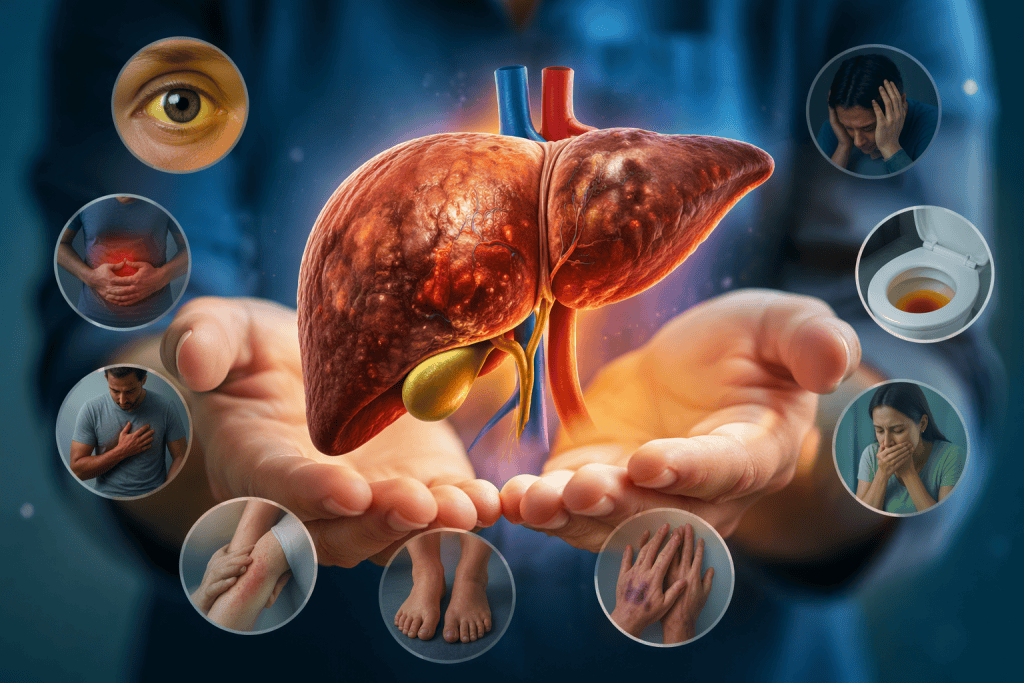
Your liver is one of the most hardworking organs in your body. It filters toxins, supports digestion, stores energy, and keeps your blood clean. But when the liver begins to struggle, it often shows silent, subtle signs long before serious damage occurs.
Catching these early symptoms can prevent chronic liver disease, cirrhosis, or even liver failure. Here are the key warning signs you should never ignore.
1. Persistent Fatigue and Weakness
Feeling tired all the time despite adequate rest can signal reduced liver function.
When the liver can’t properly clear toxins, they build up in the bloodstream, causing constant fatigue and low energy.
What to watch for:
- Tiredness that doesn’t improve
- Poor concentration
- Weakness for no clear reason
2. Unexplained Weight Loss or Poor Appetite
If you suddenly lose appetite or notice weight loss without trying, the liver may be struggling to process nutrients.
Why it happens:
Inflammation of the liver affects digestion, absorption, and metabolism. Learn more
3. Yellowing of the Skin and Eyes (Jaundice)
Jaundice is one of the most well-known signs of liver distress.
It occurs when bilirubin levels rise because the liver can’t process them.
Signs of jaundice:
- Yellow eyes
- Yellow skin
- Dark urine
- Pale or clay-colored stool
Seek medical attention immediately if jaundice is present.
4. Abdominal Pain or Swelling
Liver problems can cause discomfort in the upper right side of the abdomen.
Possible signs include:
- Sharp or dull pain near the ribs
- Bloating
- Persistent swelling (ascites)
This happens due to liver inflammation or fluid buildup. Learn more
5. Nausea and Vomiting
As the liver loses efficiency, toxins build up and digestive functions weaken, leading to frequent nausea or unexplained vomiting.
Common triggers:
- Eating small meals
- Fatty foods
- Even drinking water in severe cases
6. Dark Urine and Pale Stool
Changes in urine or stool color often reflect liver health.
- Dark urine → high bilirubin levels
- Pale, gray, or clay-colored stool → poor bile production
- Greasy stools → fat malabsorption
These are early clues of bile duct or liver problems.
7. Itchy Skin
Chronic itching especially without a rash may be caused by bile salts accumulating under the skin due to liver issues.
Where itching occurs most:
- Arms
- Legs
- Hands
- Soles of the feet
8. Swollen Legs and Ankles
Fluid retention (edema) can occur when liver function declines.
This happens because the liver can no longer produce proteins that regulate fluid balance.
9. Easy Bruising and Bleeding
The liver produces clotting proteins.
When it struggles, even minor bumps can lead to:
- Bruising
- Frequent nosebleeds
- Bleeding gums
This is often seen in chronic liver disease stages but can appear early. Learn more
10. Brain Fog or Confusion
A buildup of toxins like ammonia can affect the brain.
Symptoms may include:
- Difficulty thinking
- Forgetfulness
- Confusion
- Mood changes
This condition is known as hepatic encephalopathy and requires immediate care.
Common Causes of Liver Problems
Understanding the cause helps in early prevention. Some major triggers include:
- Excessive alcohol use
- Hepatitis infections (A, B, C)
- Fatty liver disease (common in obesity)
- Certain medications
- High sugar and processed food intake
- Genetic conditions
- Exposure to toxins
When to See a Doctor
Seek medical help if you notice:
- Persistent fatigue
- Abdominal swelling
- Yellowing of eyes or skin
- Dark urine
- Unexplained weight loss
The earlier liver problems are detected, the better the chances of full recovery. Learn more
How to Protect Your Liver
- Limit alcohol
- Maintain a healthy weight
- Eat a balanced diet
- Drink enough water
- Avoid excessive sugar and processed foods
- Get vaccinated for hepatitis
- Use medications responsibly
Conclusion
The liver plays an essential role in keeping you healthy, yet early symptoms of liver problems are often overlooked. By paying attention to subtle signs like fatigue, jaundice, dark urine, itching, and digestive issues, you can catch liver diseases early and protect your long-term health.