Natural Remedies for Stress and Anxiety Backed by Science
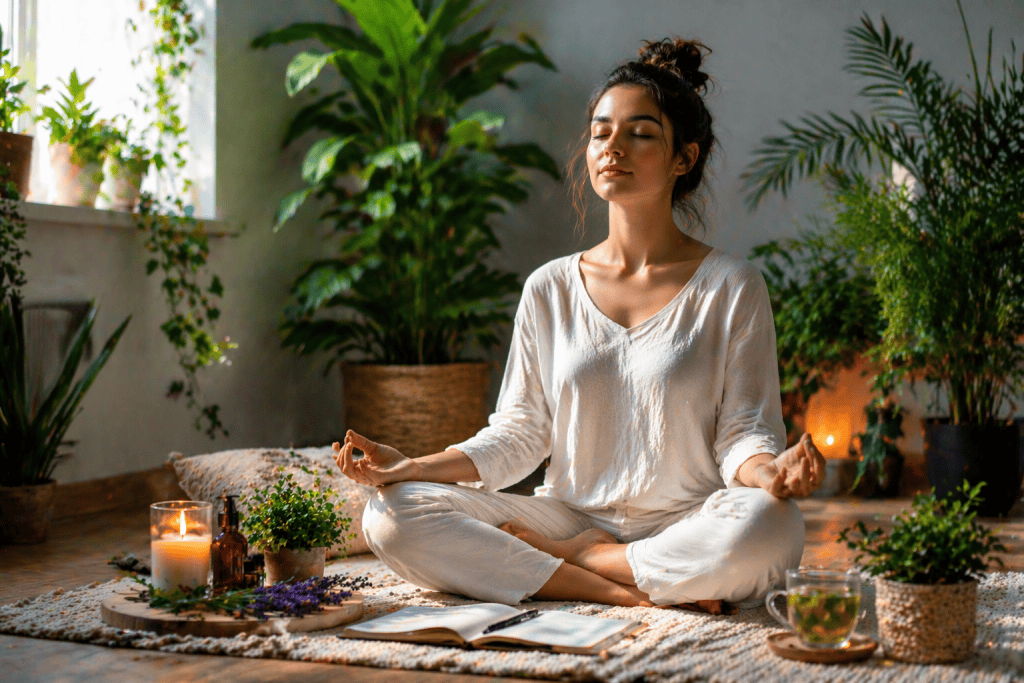
Natural Remedies for Stress and Anxiety are essential tools for maintaining mental and emotional balance. Chronic stress and anxiety affect millions globally, leading to poor sleep, low energy, and health issues. Scientific research shows there are effective, non-pharmaceutical methods to reduce stress naturally and boost mental well-being.
This guide explores the 10 most effective science-backed strategies to manage stress and anxiety, improve sleep, and support your mental health.
1. Mindfulness and Meditation
Meditation and mindfulness focus your attention on the present moment without judgment. Research shows it lowers cortisol levels, reduces anxiety, and improves emotional regulation.
How to practice:
- Sit in a quiet space
- Focus on breathing or a mantra
- Observe thoughts without judgment
- Practice 10–20 minutes daily. Learn more
2. Exercise Regularly
Exercise is a proven natural remedy for stress and anxiety. Physical activity releases endorphins, improves sleep, and enhances mood.
Recommended activities:
- Brisk walking or jogging
- Yoga or Pilates
- Strength training
- Swimming or cycling
3. Herbal Supplements
Certain herbs have scientifically documented calming effects:
- Ashwagandha: Reduces stress hormone levels
- Chamomile: Mild sedative effects, improves sleep quality
- Lavender: Anxiety relief in aromatherapy or oral supplements
Always consult a doctor before starting herbal supplements.
4. Deep Breathing Techniques
Deep breathing lowers heart rate and triggers the parasympathetic nervous system.
Techniques:
- 4-7-8 breathing (inhale 4 sec, hold 7 sec, exhale 8 sec)
- Diaphragmatic breathing
- Box breathing (inhale 4 sec, hold 4 sec, exhale 4 sec, hold 4 sec)
Even 5–10 minutes can significantly reduce stress.
5. Journaling
Writing down your feelings clarifies thoughts and reduces anxiety. Studies show journaling improves emotional processing and cognitive clarity.
Tip: Spend 10 minutes daily writing about worries, gratitude, or reflections.
6. Aromatherapy
Scents influence the brain’s limbic system, affecting emotions. Essential oils like lavender, bergamot, and frankincense can reduce anxiety and promote relaxation.
7. Prioritize Sleep
Sleep and stress are deeply connected. Poor sleep increases anxiety, and stress disrupts sleep.
Tips for better sleep:
- Consistent bedtime
- Avoid screens 1 hour before bed
- Dark, cool room
- Limit caffeine late in the day
Why You’re Always Tired: 10 Common Causes of Constant Fatigue
8. Limit Caffeine and Sugar
High caffeine and sugar intake can spike cortisol, worsen anxiety, and cause energy crashes. Moderation helps maintain stable mood and energy.
9. Spend Time in Nature
Outdoor exposure reduces cortisol and boosts mood. Even short walks in parks or gardening can significantly lower stress.
10. Social Support
Strong social connections buffer stress and reduce anxiety. Talk to friends, join communities, or seek therapy for emotional support.
Tip: Regularly connect with loved ones and share feelings.
When to Seek Professional Help
If anxiety or stress becomes persistent or severe, professional intervention may be necessary. Seek help if you experience:
- Panic attacks
- Persistent insomnia
- Depression
- Difficulty functioning in daily life
Therapists, counselors, or physicians can provide structured guidance and treatment.
Final Thoughts
Chronic stress and anxiety can silently harm mental and physical health. Fortunately, natural remedies for stress and anxiety backed by science are safe, effective, and accessible. Meditation, exercise, herbal support, journaling, aromatherapy, and social connection can dramatically improve mental well-being. By incorporating these practices into your daily routine, you can reduce anxiety, improve sleep, and enjoy a calmer, healthier life.