How to Prevent Yeast Infections Through Proper Hygiene
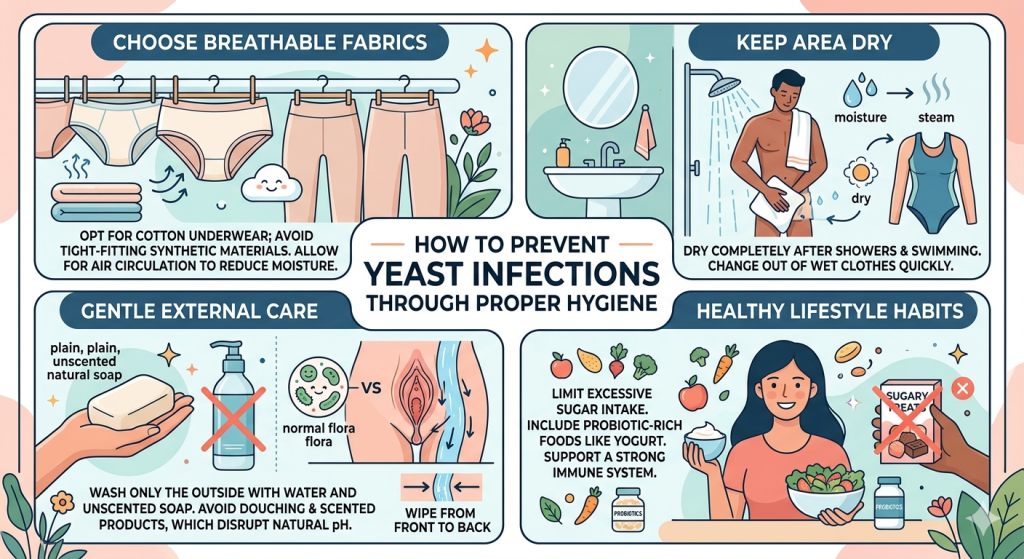
Yeast infections are a common health concern affecting millions of women worldwide. They occur when there is an overgrowth of a fungus called Candida, which naturally lives in the body. While yeast is normally harmless, changes in the vaginal environment can cause it to multiply excessively, leading to uncomfortable symptoms such as itching, burning, redness, and unusual discharge.
Fortunately, proper hygiene practices can significantly reduce the risk of developing yeast infections. By maintaining a healthy balance of bacteria and moisture in the vaginal area, women can support their natural defenses and promote long-term intimate health.
What Causes Yeast Infections?
The vagina contains a delicate balance of beneficial bacteria and yeast. When this balance is disrupted, yeast can grow uncontrollably. Learn more
Common factors that may contribute to yeast infections include:
- Excess moisture
- Poor hygiene habits
- Hormonal changes
- Antibiotic use
- High sugar intake
- Tight-fitting clothing
- Weakened immune system
- Pregnancy
Understanding these risk factors can help you take preventive measures.
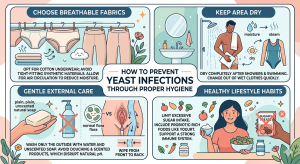
Keep the Vaginal Area Clean
Maintaining daily cleanliness is one of the most important steps in preventing yeast infections.
Safe Cleaning Practices
- Wash the external genital area daily with warm water.
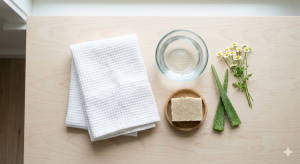
- Use mild, fragrance-free soap if necessary.
- Gently clean the vulva without scrubbing.
- Pat the area dry thoroughly after washing.
The vagina is self-cleaning and does not require internal cleansing.
Avoid Douching
Douching can disrupt the natural balance of bacteria and yeast in the vagina.
Potential risks include:
- Increased risk of yeast infections
- Bacterial vaginosis
- Vaginal irritation
- Changes in vaginal pH
Healthcare professionals generally recommend avoiding douching altogether.
Wear Breathable Cotton Underwear
Warm, moist environments encourage yeast growth.
Benefits of Cotton Underwear
- Improves airflow
- Absorbs excess moisture
- Reduces heat buildup
- Helps keep the area dry
Choose loose-fitting cotton underwear whenever possible and avoid synthetic fabrics for extended periods.
Change Out of Wet Clothing Quickly
Remaining in damp clothing can create an ideal environment for yeast growth.
Clothing to Change Promptly
- Wet swimsuits
- Sweaty workout clothes
- Damp underwear
After exercise or swimming, shower if possible and change into clean, dry clothing.
Practice Proper Bathroom Hygiene
Good bathroom habits help prevent the spread of bacteria and reduce irritation.
Recommended Practices
- Wipe from front to back after using the toilet.
- Wash hands before and after restroom use.
- Avoid harsh toilet paper with fragrances.
These simple habits can support overall vaginal health.
Avoid Scented Feminine Products
Many feminine hygiene products contain chemicals and fragrances that may irritate sensitive tissues.
Avoid:
- Vaginal deodorants
- Scented sprays
- Perfumed wipes
- Scented pads and tampons
- Strongly fragranced soaps
Unscented products are generally a safer choice for intimate care.
Change Menstrual Products Regularly
Maintaining good menstrual hygiene is essential.
Guidelines for Menstrual Products
- Change pads every 4–6 hours.
- Change tampons every 4–8 hours.
- Empty menstrual cups according to instructions.
- Wash hands before and after changing products.
Regular changes help reduce moisture and bacterial growth.
Control Excess Moisture
Yeast thrives in warm, moist conditions.
Ways to Stay Dry
- Wear breathable fabrics.
- Avoid tight clothing.
- Change underwear daily.
- Use moisture-wicking exercise clothing.
- Dry thoroughly after bathing.
Reducing excess moisture can significantly lower infection risk.
Support Vaginal Health Through Diet
Nutrition can influence the balance of bacteria and yeast in the body.
Foods That May Help
- Yogurt with live cultures
- Kefir
- Fruits and vegetables
- Whole grains
- Fermented foods
These foods may help support a healthy microbiome and immune system.
Limit Excess Sugar
High sugar intake may encourage yeast growth.
Try to reduce:
- Sugary beverages
- Candy
- Processed desserts
- Sweetened snacks
A balanced diet supports overall vaginal health.
Use Antibiotics Only When Necessary
Antibiotics can eliminate beneficial bacteria along with harmful bacteria, increasing the risk of yeast overgrowth.
Helpful Tips
- Take antibiotics only when prescribed.
- Follow dosage instructions carefully.
- Discuss preventive measures with your healthcare provider if you frequently develop yeast infections after antibiotic use.
Never stop prescribed medications without medical advice.
Practice Safe Sexual Hygiene
Sexual activity can sometimes alter the vaginal environment.
Good Habits Include
- Washing hands before intimate contact.
- Urinating after intercourse.
- Maintaining personal hygiene.
- Cleaning intimate products according to manufacturer instructions.
Open communication with partners about sexual health is also important.
Strengthen Your Immune System
A healthy immune system helps control yeast growth naturally.
Ways to Support Immunity
- Get adequate sleep.
- Exercise regularly.
- Manage stress effectively.
- Eat a nutrient-rich diet.
- Stay hydrated.
Overall health plays a significant role in preventing recurrent infections.
Recognize Early Symptoms
Identifying symptoms early can help prevent worsening discomfort.
Common symptoms of a yeast infection include:
- Intense itching
- Burning sensations
- Redness and swelling
- Thick white discharge resembling cottage cheese
- Discomfort during urination
Prompt treatment can help relieve symptoms and prevent complications.
When to See a Healthcare Provider
Seek medical advice if:
- Symptoms persist despite treatment.
- Infections occur frequently.
- You experience severe pain.
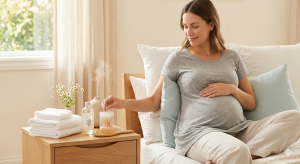
- You are pregnant and suspect an infection.
- You are unsure whether your symptoms are caused by a yeast infection.
Proper diagnosis ensures appropriate treatment.
Read: Feminine Hygiene During Pregnancy: Essential Care Tips
Conclusion
Preventing yeast infections through proper hygiene involves maintaining cleanliness, controlling moisture, wearing breathable clothing, avoiding irritating products, and supporting overall health through good nutrition and lifestyle habits. Since the vagina naturally maintains its own balance, gentle care is often the most effective approach.
By following these simple preventive measures consistently, women can reduce their risk of yeast infections, improve comfort, and promote long-term vaginal health and well-being.