Feminine Hygiene During Pregnancy: Essential Care Tips

Pregnancy brings remarkable changes to a woman’s body, including hormonal fluctuations that can affect vaginal health and hygiene. Increased blood flow, higher hormone levels, and changes in vaginal discharge are all normal during pregnancy. While these changes are usually healthy, they can make proper feminine hygiene even more important.
Maintaining good hygiene during pregnancy can help prevent infections, reduce discomfort, and support both maternal and baby health. Understanding safe and effective hygiene practices can help expectant mothers stay comfortable throughout their pregnancy journey.
Why Feminine Hygiene Is Important During Pregnancy
Hormonal changes during pregnancy can alter the vaginal environment, making some women more susceptible to infections such as yeast infections and bacterial vaginosis.
Good feminine hygiene can help:
- Reduce the risk of infections
- Minimize irritation and itching
- Control excessive moisture
- Promote comfort and confidence
- Support overall reproductive health
Healthy hygiene habits are a simple yet important part of prenatal care. Learn more
Understand Normal Pregnancy Discharge
Many women notice increased vaginal discharge during pregnancy. This discharge, known as leukorrhea, is typically thin, white or clear, and mild-smelling.
Normal Pregnancy Discharge
- Clear or milky white
- Mild odor
- Consistent texture
- Increases as pregnancy progresses
When to Contact a Healthcare Provider
Seek medical attention if discharge:
- Has a strong foul odor
- Appears green, yellow, or gray
- Is accompanied by itching or burning
- Contains blood outside of normal medical expectations
- Causes significant discomfort
Monitoring changes can help identify potential infections early.
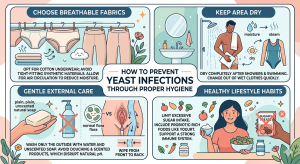
Wash the External Genital Area Gently
The vulva should be cleaned daily using warm water.
Safe Cleaning Tips
- Wash once daily.
- Use mild, fragrance-free soap if necessary.
- Clean only the external genital area.
- Pat dry with a clean towel.
- Avoid vigorous scrubbing.
The vagina naturally cleans itself and does not require internal washing.
Avoid Douching
Douching is not recommended during pregnancy.
Potential risks include:
- Disruption of healthy vaginal bacteria
- Increased risk of infections
- Possible pregnancy complications
Maintaining the natural bacterial balance is essential for vaginal health during pregnancy.
Choose Breathable Cotton Underwear
Pregnancy often increases perspiration and vaginal discharge.
Benefits of Cotton Underwear
- Improves air circulation
- Absorbs moisture
- Reduces irritation
- Helps prevent yeast growth
Changing underwear daily or more frequently if needed can help maintain comfort.
Wear Loose-Fitting Clothing
Tight clothing can trap heat and moisture around the genital area.
Consider:
- Loose cotton pants
- Breathable maternity clothing
- Comfortable sleepwear
Reducing excess moisture helps create a healthier environment.
Practice Proper Bathroom Hygiene
Simple hygiene habits can reduce the risk of urinary tract and vaginal infections.
Recommended Habits
- Wipe from front to back.
- Wash hands before and after using the restroom.
- Avoid touching the genital area unnecessarily.
These practices help prevent harmful bacteria from spreading.
Stay Dry and Comfortable
Excess moisture can encourage bacterial and fungal growth.
Helpful Tips
- Change out of wet swimsuits promptly.
- Remove sweaty workout clothes after exercise.
- Use breathable panty liners if discharge is excessive.
- Change liners regularly.
Maintaining dryness can significantly improve comfort.
Avoid Scented Feminine Products
Many products marketed for feminine hygiene contain fragrances and chemicals that may irritate sensitive tissues.
Avoid:
- Vaginal deodorants
- Scented wipes
- Perfumed sprays
- Scented pads and liners
- Strongly fragranced soaps
Unscented products are generally the safest option during pregnancy.
Stay Hydrated
Proper hydration supports overall health and may help maintain healthy vaginal tissues.
Benefits of Drinking Water
- Supports natural lubrication
- Promotes urinary tract health
- Helps regulate body temperature
- Supports healthy circulation
Aim to drink sufficient water throughout the day unless otherwise advised by your healthcare provider.
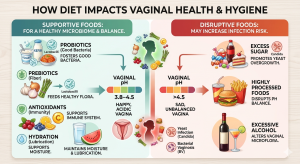
Eat a Balanced Diet
Nutrition plays an important role in maintaining a healthy immune system and vaginal microbiome.
Foods That Support Vaginal Health
- Yogurt with live cultures
- Fruits and vegetables
- Whole grains
- Lean proteins
- Fermented foods
A nutrient-rich diet may help reduce the likelihood of certain infections.
Practice Safe Sexual Hygiene
If sexual activity is approved by your healthcare provider during pregnancy, maintaining good hygiene remains important.
Hygiene Recommendations
- Wash hands before intimate contact.
- Urinate after intercourse.
- Maintain regular personal hygiene.
- Communicate with your healthcare provider about any concerns.
Always consult your healthcare professional if you experience unusual symptoms following sexual activity.
Be Alert for Signs of Infection
Pregnant women should pay close attention to changes in vaginal health.
Common signs that warrant medical evaluation include:
- Persistent itching
- Burning sensations
- Strong vaginal odor
- Unusual discharge color
- Pain during urination
- Pelvic discomfort
Prompt treatment can help prevent complications and protect both mother and baby.
Do Not Self-Treat Infections
Over-the-counter products may not always be appropriate during pregnancy.
Before using:
- Antifungal creams
- Vaginal medications
- Herbal remedies
- Alternative treatments
Always consult a healthcare provider to ensure safety during pregnancy.
Maintain Regular Prenatal Checkups
Routine prenatal visits allow healthcare providers to monitor your health and identify any concerns early.
During appointments:
- Discuss unusual symptoms.
- Report changes in discharge.
- Ask questions about hygiene products.
- Seek advice about infection prevention.
Regular prenatal care is one of the most effective ways to support a healthy pregnancy.
Read: How Diet Can Impact Vaginal Health and Hygiene
Conclusion
Maintaining proper feminine hygiene during pregnancy is essential for comfort, infection prevention, and overall maternal health. Simple habits such as gentle cleansing, wearing breathable clothing, staying hydrated, eating a balanced diet, and avoiding harsh products can help support a healthy vaginal environment throughout pregnancy.
By following these essential care tips and staying attentive to any unusual symptoms, expectant mothers can promote their well-being and enjoy a healthier, more comfortable pregnancy journey.