How to Choose the Right Sunglasses for Eye Protection
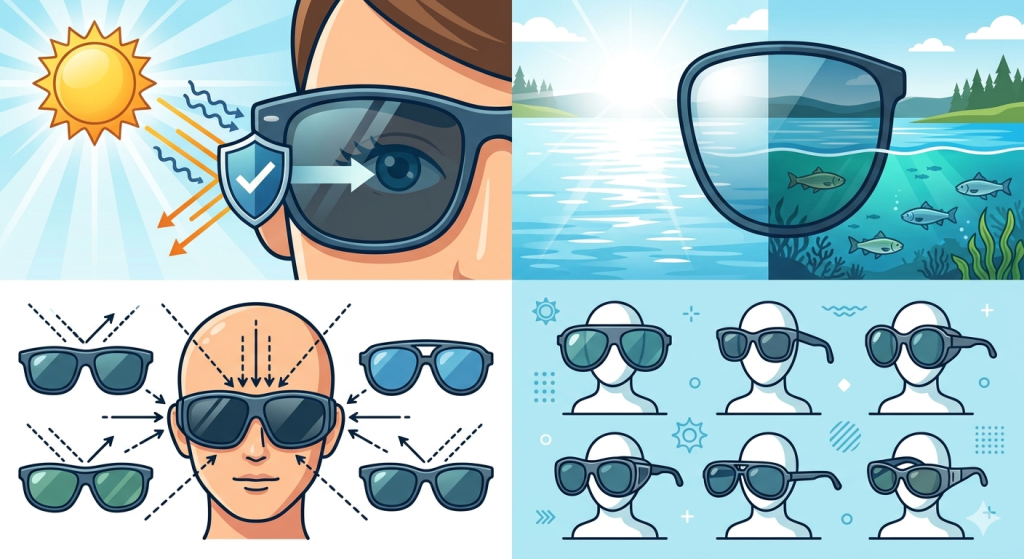
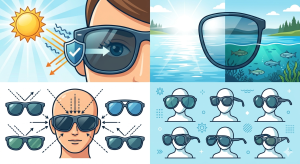
Sunglasses are more than just a fashion accessory, they play a vital role in protecting your eyes from harmful ultraviolet (UV) rays and environmental hazards. Prolonged exposure to the sun can increase the risk of eye conditions such as cataracts, macular degeneration, photokeratitis, and even certain eye cancers. Choosing the right sunglasses can help safeguard your vision while enhancing comfort and visual clarity. Understanding what to look for when purchasing sunglasses can help you make a smart investment in your eye health.
Why Eye Protection Matters
The sun emits ultraviolet radiation that can damage the eyes over time. Just as sunscreen protects your skin, quality sunglasses help shield your eyes from UV exposure. Eye protection is important throughout the year, not just during summer, because UV rays can penetrate clouds and reflect off surfaces such as water, sand, snow, and pavement.
Without proper protection, long-term sun exposure may contribute to:
- Cataracts
- Age-related macular degeneration
- Photokeratitis (sunburn of the eye)
- Pterygium (growth on the eye surface)
- Eyelid skin cancer
- Chronic eye irritation
Look for 100% UV Protection
The most important feature of any pair of sunglasses is UV protection.
When shopping for sunglasses, choose lenses labeled:
- 100% UV protection
- UV400 protection
UV400 lenses block both UVA and UVB rays, offering the highest level of protection against harmful ultraviolet radiation.
Avoid purchasing sunglasses based solely on lens darkness. Dark lenses without UV protection can actually be more harmful because they cause the pupils to dilate, allowing more UV rays to enter the eyes.
Choose Larger or Wraparound Frames
The amount of eye coverage matters.
Large sunglasses or wraparound styles help block sunlight from entering through the sides, top, and bottom of the frames. This added protection is especially beneficial for people who spend significant time outdoors.
Benefits include:
- Better UV protection
- Reduced glare
- Less exposure to wind and dust
- Improved comfort during outdoor activities
Consider Polarized Lenses
Polarized lenses reduce glare caused by sunlight reflecting off surfaces such as water, roads, and snow.
They are particularly useful for:
- Driving
- Fishing
- Boating
- Beach activities
- Outdoor sports
While polarization improves visual comfort and clarity, it does not replace UV protection. The best sunglasses combine both polarization and 100% UV protection.
Select the Right Lens Color
Lens color affects visual comfort but not UV protection.
Common lens colors include:
Gray Lenses
- Maintain natural color perception
- Reduce overall brightness
- Suitable for everyday use
Brown or Amber Lenses
- Enhance contrast and depth perception
- Useful for driving and outdoor sports
Green Lenses
- Reduce glare
- Improve contrast while preserving color balance
Yellow or Gold Lenses
- Increase visibility in low-light conditions
- Popular among athletes and outdoor enthusiasts
Choose a lens color based on your activities and personal comfort preferences.
Check Lens Quality
Even lenses with excellent UV protection should provide clear, distortion-free vision.
To test lens quality:
- Hold the sunglasses at arm’s length.
- Look at a straight line through the lens.
- Slowly move the glasses across the line.
- If the line appears wavy or distorted, consider another pair.
High-quality lenses improve visual clarity and reduce eye strain.
Consider Impact Resistance
For sports and active lifestyles, choose sunglasses made with impact-resistant materials such as polycarbonate lenses.
Advantages include:
- Lightweight design
- Increased durability
- Better protection from accidental impacts
- Suitable for children and athletes
Impact-resistant lenses are especially important during cycling, running, hiking, and contact sports.
Don’t Forget Children’s Sunglasses
Children’s eyes are particularly vulnerable to UV damage because their lenses allow more UV light to reach the retina.
When choosing sunglasses for children:
- Ensure 100% UV protection
- Select durable, shatter-resistant frames
- Choose comfortable designs they will wear consistently
Developing sun-safe habits early can help protect vision for a lifetime.
Prescription Sunglasses for Vision Correction
People who wear corrective lenses do not have to sacrifice eye protection.
Options include:
- Prescription sunglasses
- Photochromic lenses that darken in sunlight
- Clip-on UV-protective lenses
Consult your eye care professional to determine the best solution for your vision needs.
When to Wear Sunglasses
Many people only wear sunglasses on bright summer days, but eye protection is important year-round.
Wear sunglasses:
- On sunny days
- During cloudy weather
- While driving
- At the beach
- During winter activities
- Around reflective surfaces such as water and snow
Consistent use provides ongoing protection against cumulative UV damage.
Additional Tips for Maximum Eye Protection
To further protect your eyes outdoors:
- Wear a wide-brimmed hat
- Avoid looking directly at the sun
- Seek shade during peak sunlight hours
- Replace damaged or scratched lenses
- Schedule regular eye examinations
Combining these habits with quality sunglasses can significantly reduce the risk of sun-related eye problems.
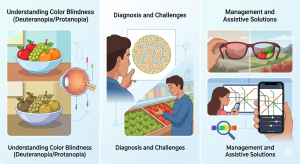
Read: Understanding Color Blindness and Available Treatments
Conclusion
Choosing the right sunglasses involves more than selecting a stylish frame. The best sunglasses provide 100% UV protection, adequate eye coverage, high-quality lenses, and features suited to your lifestyle. Whether you’re driving, exercising, relaxing at the beach, or simply spending time outdoors, proper eye protection can help preserve your vision and reduce the risk of long-term eye damage. Investing in quality sunglasses today is an important step toward maintaining healthy eyes for years to come.