The Best Oral Care Routine for Children
Good oral hygiene habits should begin early in life. Teaching children how to properly care for their teeth not only helps prevent cavities and gum disease but also encourages lifelong healthy habits. A strong oral care routine can improve a child’s confidence, comfort, and overall health.
Why Oral Care Matters for Children
Children are especially vulnerable to tooth decay because they often consume sugary foods and may not brush properly. Poor oral hygiene can lead to cavities, gum infections, pain, difficulty eating, and even speech problems. Healthy baby teeth are also important because they guide permanent teeth into the correct position.
Establishing a daily oral care routine helps protect both baby teeth and developing permanent teeth.
Start Oral Care Early
Oral hygiene should begin even before the first tooth appears. Parents can gently clean a baby’s gums with a soft, damp cloth after feeding. Once the first tooth erupts, brushing should start immediately using a soft-bristled infant toothbrush.
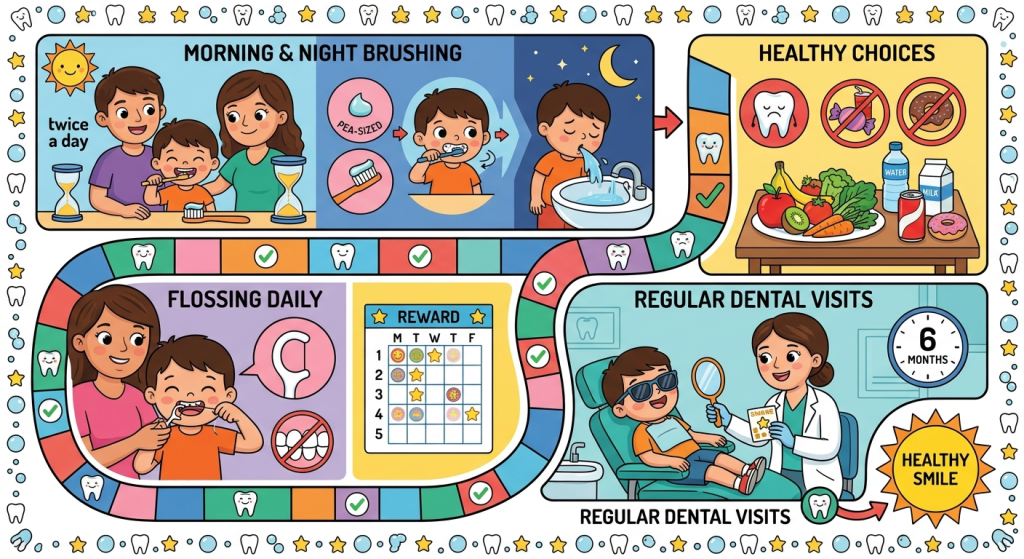
For children under three years old, use a tiny smear of fluoride toothpaste. Children aged three to six can use a pea-sized amount. Learn more
Proper Brushing Routine
Children should brush their teeth twice daily, once in the morning and once before bedtime. Brushing should last at least two minutes each time.
Parents should teach children to:
- Brush all tooth surfaces carefully
- Use gentle circular motions
- Clean the tongue to remove bacteria
- Avoid swallowing toothpaste
Young children often need supervision until they can brush effectively on their own, usually around age seven or eight.
The Importance of Flossing
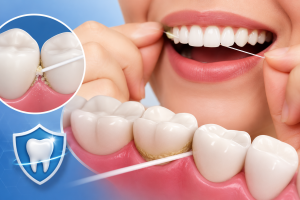
Flossing helps remove food particles and plaque between teeth where toothbrushes cannot reach. Once two teeth begin touching, flossing should become part of the daily routine.
Using child-friendly floss picks can make flossing easier and more comfortable for kids.
Healthy Eating Habits for Strong Teeth
Diet plays a major role in dental health. Limiting sugary snacks and drinks helps reduce the risk of cavities. Encourage children to consume foods rich in calcium and vitamins, such as:
- Milk and yogurt
- Cheese
- Fruits and vegetables
- Eggs
- Nuts and whole grains
Water is also important because it helps rinse away food particles and bacteria.
Regular Dental Checkups
Children should visit the dentist regularly for cleanings and examinations. Early dental visits help identify problems before they become serious. Dentists can also provide fluoride treatments and dental sealants to protect teeth from decay.
Experts often recommend scheduling a child’s first dental visit by their first birthday or when the first tooth appears.
Avoid Harmful Oral Habits
Certain habits can damage children’s teeth and oral development. Parents should discourage:
- Thumb sucking after early childhood
- Frequent consumption of sugary drinks
- Using teeth to open objects
- Sleeping with milk or juice bottles
These habits can increase the risk of tooth decay and alignment problems.
Make Oral Care Fun
Children are more likely to maintain healthy habits when oral care feels enjoyable. Parents can:
- Use colorful toothbrushes
- Play music during brushing
- Reward consistency with praise
- Brush together as a family
Creating a positive experience encourages children to take oral hygiene seriously.
Read: How to Manage Chronic Neck and Upper Back Pain
Conclusion
A proper oral care routine is essential for protecting children’s teeth and overall health. Daily brushing, flossing, healthy eating, and regular dental visits can prevent many common dental problems. By teaching children good oral hygiene habits early, parents help set the foundation for a lifetime of healthy smiles.