Recovery Tips After a Slip and Fall Accident
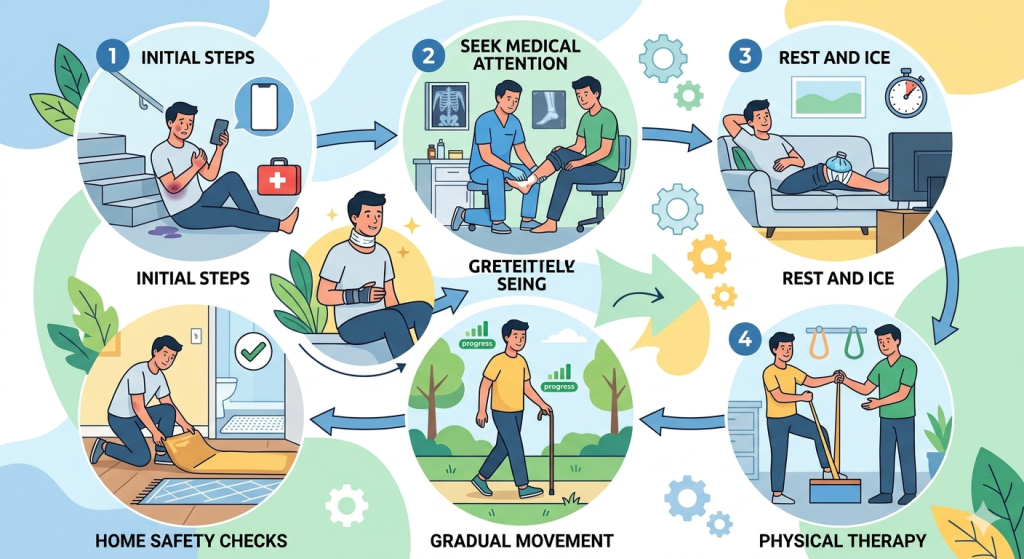
Slip and fall accidents can happen anywhere, including at home, in the workplace, on wet floors, or on uneven surfaces. While some falls cause only minor bruises, others may lead to serious injuries such as fractures, sprains, head injuries, or back pain. Proper recovery is important to reduce pain, regain mobility, and prevent long-term complications. Understanding the right recovery tips after a slip and fall accident can support faster healing and improve overall well-being.
Common Injuries From Slip and Fall Accidents
The severity of injuries depends on the force of the fall, the surface involved, and the age and health of the individual. Common injuries include:
- Sprains and strains
- Back and neck injuries
- Fractures and broken bones
- Knee injuries
- Shoulder injuries
- Head injuries and concussions
- Bruises and soft tissue damage
Some symptoms may appear immediately, while others develop gradually over several days.
Seek Medical Attention Immediately
One of the most important recovery steps is seeking medical evaluation after the accident. Even if the injury seems minor, hidden damage may exist.
Medical professionals may recommend:
- Physical examinations
- X-rays
- CT scans
- MRI scans
Early diagnosis helps prevent complications and ensures proper treatment. Learn more
Allow the Body to Rest
Rest is essential during the early stages of recovery. The body needs time to heal damaged muscles, joints, and tissues.
However, excessive inactivity may lead to stiffness and muscle weakness. Recovery should involve balanced rest and gentle movement as recommended by healthcare professionals.
Helpful Tips:
- Avoid overexertion
- Sleep adequately
- Limit activities that worsen pain
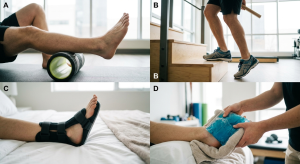
Use Cold and Heat Therapy
Cold therapy may help reduce swelling and inflammation shortly after the injury. Heat therapy can later relax muscles and improve circulation.
Cold Therapy Benefits:
- Reduces swelling
- Helps numb pain
- Controls inflammation
Heat Therapy Benefits:
- Relaxes tight muscles
- Encourages blood flow
- Reduces stiffness
Therapy should be used carefully to avoid skin irritation.
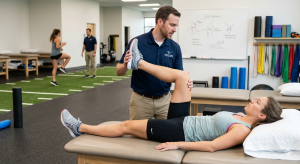
Follow a Rehabilitation Program
Rehabilitation exercises can help restore strength, flexibility, and mobility after a fall. Recovery programs are often designed based on the specific injury involved.
Exercises may focus on:
- Improving balance
- Increasing joint flexibility
- Restoring muscle strength
- Supporting posture correction
Consistency is important for long-term recovery.
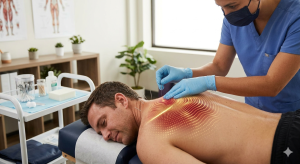
Manage Pain Properly
Pain management plays a major role in healing. Depending on the injury, doctors may recommend:
- Over-the-counter pain relievers
- Anti-inflammatory medications
- Muscle relaxants
- Gentle stretching exercises
Pain should not be ignored, especially if it becomes severe or persistent.
Maintain Good Nutrition
The body requires proper nutrition to repair injured tissues. A balanced diet can support faster healing and improve energy levels during recovery.
Important nutrients include:
- Protein for tissue repair
- Calcium for bone strength
- Vitamin D for bone health
- Vitamin C for collagen production
- Omega-3 fatty acids for inflammation control
Drinking enough water is also important for recovery.
Improve Home Safety During Recovery
After a fall, reducing future risks becomes very important. Creating a safer environment may prevent additional accidents.
Safety Tips:
- Remove loose rugs and clutter
- Use non-slip mats in bathrooms
- Improve lighting in walkways
- Wear supportive footwear
- Install handrails where necessary
Fall prevention is especially important for older adults.
Focus on Emotional Recovery
Slip and fall accidents can sometimes cause fear, anxiety, or reduced confidence in movement. Some individuals become worried about falling again, especially after serious injuries.
Helpful strategies may include:
- Gradual return to activities
- Relaxation exercises
- Support from family and friends
- Counseling if anxiety becomes severe
Mental recovery is just as important as physical healing.
Return to Activities Gradually
Returning to work, sports, or daily activities too quickly may worsen injuries or delay recovery.
Signs that the body may be ready for increased activity include:
- Reduced pain
- Improved mobility
- Better balance and strength
- Ability to move comfortably
Gradual progression helps lower the risk of re-injury.
Watch for Warning Signs
Some symptoms after a slip and fall accident may indicate serious complications. Seek immediate medical care if you experience:
- Severe headaches
- Loss of consciousness
- Difficulty breathing
- Persistent dizziness
- Numbness or weakness
- Severe swelling
- Chest pain
Prompt treatment can prevent life-threatening complications.
Preventing Future Slip and Fall Accidents
Preventive measures can reduce the chances of future injuries.
Prevention Tips:
- Keep floors dry and clean
- Exercise regularly to improve balance
- Use proper footwear
- Avoid rushing on slippery surfaces
- Maintain good posture and strength
Simple safety habits can make a major difference.
Read: Recovery Strategies for Tendon Injuries
Conclusion
Recovering from a slip and fall accident requires patience, proper care, and a structured recovery approach. Rest, medical evaluation, rehabilitation exercises, nutrition, pain management, and emotional support all contribute to successful healing. Taking injuries seriously and following professional advice can help individuals regain mobility, restore confidence, and reduce the risk of future falls.