Recovery Strategies for Tendon Injuries
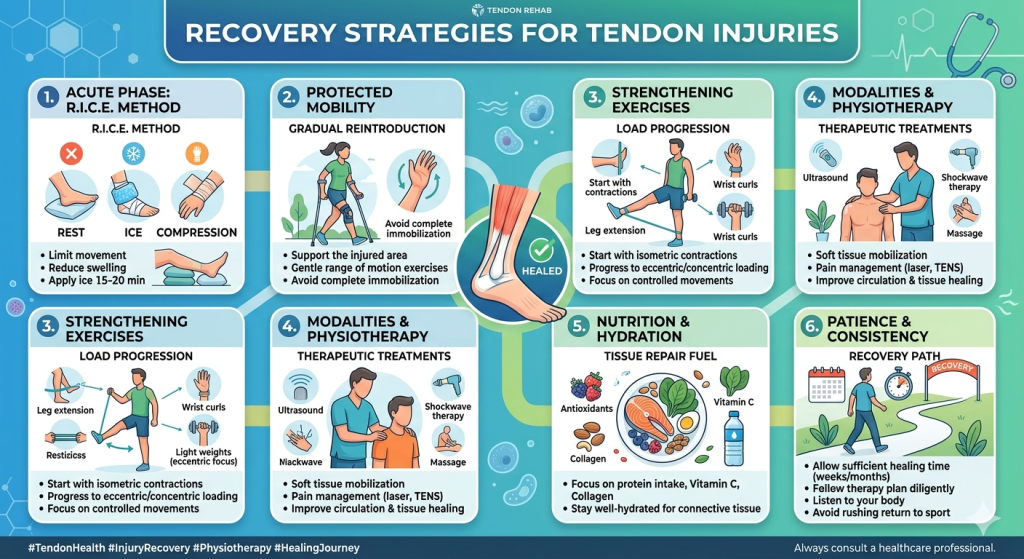
Tendon injuries are common among athletes, active individuals, and even people with physically demanding jobs. Tendons are strong connective tissues that attach muscles to bones and help the body move efficiently. When tendons become inflamed, overstretched, or torn, daily activities can become painful and difficult. Proper recovery strategies are essential for healing, restoring movement, and preventing future injuries.
What Are Tendon Injuries?
Tendon injuries occur when a tendon is damaged due to overuse, sudden strain, repetitive motion, or trauma. These injuries may develop gradually over time or happen suddenly during physical activity.
Common tendon injuries include:
- Achilles tendon injuries
- Tennis elbow
- Golfer’s elbow
- Rotator cuff tendon injuries
- Patellar tendon injuries
- Wrist and hand tendon strains
Without proper treatment, tendon problems can become chronic and affect long-term mobility. Learn more
Common Symptoms of Tendon Injuries
Symptoms vary depending on the location and severity of the injury. Common signs include:
- Pain during movement
- Swelling around the affected area
- Tenderness
- Weakness
- Stiffness
- Reduced flexibility
- Difficulty performing daily tasks
Some people may also notice a grinding sensation or mild warmth around the injured tendon.
Causes of Tendon Injuries
Several factors increase the risk of tendon injuries, including:
- Repetitive movements
- Poor exercise technique
- Sudden increases in activity levels
- Aging
- Inadequate warm-ups
- Poor posture
- Muscle imbalances
Understanding the cause of the injury helps guide effective recovery.
Importance of Early Treatment
Early treatment is crucial because untreated tendon injuries may worsen over time. Delayed care can lead to chronic inflammation, tendon degeneration, or even tendon rupture.
Starting recovery strategies early may:
- Reduce pain and inflammation
- Improve healing speed
- Restore flexibility and strength
- Prevent long-term complications
Effective Recovery Strategies for Tendon Injuries
1. Rest and Activity Modification
Resting the affected area is one of the first steps in recovery. Continuing strenuous activity may worsen the injury and delay healing.
However, complete inactivity is not always recommended. Controlled movement and gradual return to activity are usually more beneficial than prolonged rest.
Helpful Tips:
- Avoid activities that trigger pain
- Reduce repetitive movements
- Use supportive braces if recommended
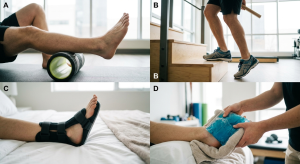
2. Cold and Heat Therapy
Cold therapy helps reduce swelling and inflammation during the early stages of injury. Heat therapy may later improve blood circulation and relax surrounding muscles.
Cold Therapy Benefits:
- Reduces inflammation
- Numbs pain
- Controls swelling
Heat Therapy Benefits:
- Relaxes tight muscles
- Improves flexibility
- Encourages circulation
3. Stretching and Flexibility Exercises
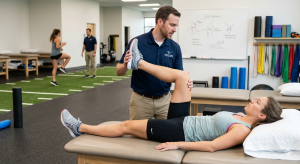
Gentle stretching helps maintain flexibility and reduce stiffness in the injured tendon. Stretching should be performed carefully to avoid additional strain.
Examples may include:
- Calf stretches for Achilles injuries
- Shoulder stretches for rotator cuff injuries
- Wrist stretches for elbow tendon injuries
Consistency is important for gradual improvement.
4. Strengthening Exercises
Once pain decreases, strengthening exercises become essential. Strong muscles help reduce stress on tendons and improve joint stability.
Recovery programs often focus on:
- Slow resistance exercises
- Eccentric strengthening movements
- Core stability training
Gradual progression helps avoid re-injury.
5. Proper Warm-Up Before Activity
Warming up increases blood flow to muscles and tendons before physical activity. A proper warm-up may lower the risk of additional strain.
A good warm-up may include:
- Light cardio exercises
- Dynamic stretching
- Joint mobility movements
Warm-ups should be done before sports, workouts, or physically demanding tasks.
6. Improving Posture and Movement Patterns
Poor posture and incorrect movement techniques can place excessive stress on tendons. Correcting body mechanics often reduces pain and prevents recurring injuries.
Examples include:
- Maintaining proper lifting techniques
- Adjusting workstation ergonomics
- Improving running or exercise form
Small changes in posture can significantly improve recovery.
7. Nutrition and Hydration
Good nutrition supports tissue repair and overall recovery. Tendons require nutrients to heal properly.
Important recovery nutrients include:
- Protein for tissue repair
- Vitamin C for collagen production
- Omega-3 fatty acids for inflammation control
- Calcium and magnesium for muscle support
Staying hydrated also supports healthy tissue function.
8. Massage and Manual Therapy
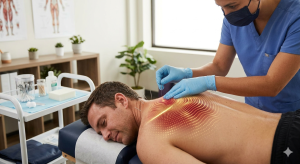
Massage techniques may help reduce muscle tension, improve circulation, and decrease stiffness around injured tendons.
Manual therapy may also:
- Improve joint mobility
- Reduce scar tissue buildup
- Encourage relaxation
Professional guidance is often recommended for safe treatment.
9. Gradual Return to Physical Activity
Returning to sports or exercise too quickly may cause setbacks. Recovery should progress slowly and safely.
Signs that the body may be ready for activity include:
- Reduced pain
- Improved strength
- Better flexibility
- Full range of motion
Listening to the body is important during recovery.
10. Preventing Future Tendon Injuries
Prevention strategies can reduce the chances of recurring tendon problems.
Helpful prevention habits include:
- Stretching regularly
- Avoiding overtraining
- Using proper exercise techniques
- Wearing supportive footwear
- Taking rest days between intense activities
Long-term tendon health depends on consistent self-care and injury prevention.
When to Seek Medical Attention
Medical attention may be necessary if symptoms include:
- Severe swelling
- Sudden sharp pain
- Inability to move the affected area
- Signs of tendon rupture
- Persistent pain lasting several weeks
Early professional care can prevent more serious complications.
Read: Treatment Options for Whiplash Injuries Explained
Conclusion
Tendon injuries can interfere with work, sports, and daily life, but proper recovery strategies can support healing and restore mobility. Rest, controlled exercise, stretching, strengthening, posture correction, and healthy lifestyle habits all play important roles in recovery. Taking tendon injuries seriously and following a structured recovery plan can help reduce pain, improve function, and prevent future injuries.