Understanding Skin Diseases and Effective Treatment Options
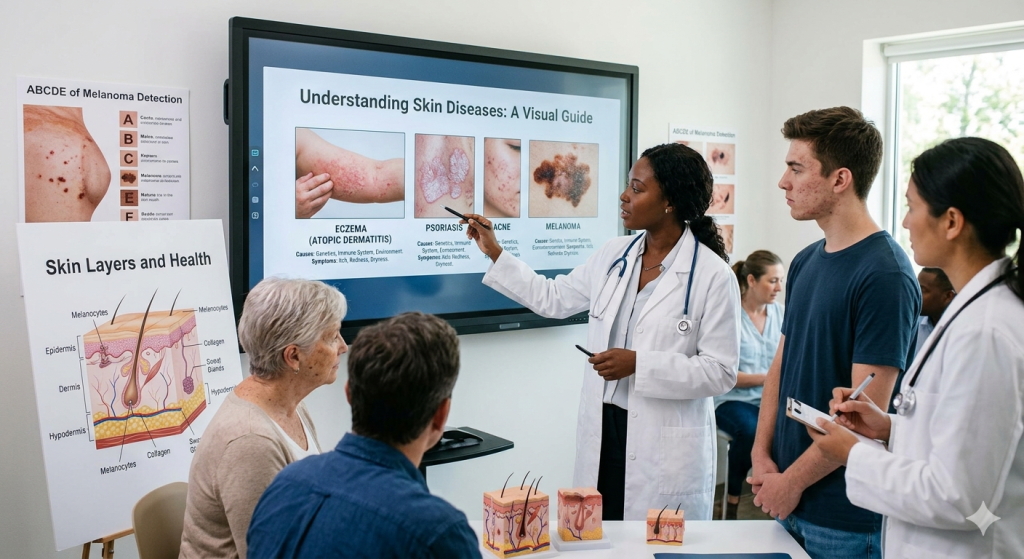
The skin is the body’s largest organ and serves as the first line of defense against harmful bacteria, viruses, and environmental damage. Healthy skin plays a vital role in protecting the body, regulating temperature, and supporting overall well-being. However, many people experience skin diseases at some point in their lives, ranging from mild irritation to chronic medical conditions that require long-term care.
Understanding common skin diseases, their causes, symptoms, and available treatment options can help individuals manage symptoms early and maintain healthier skin.
What Are Skin Diseases?
Skin diseases are conditions that affect the appearance, texture, or function of the skin. Some are temporary and mild, while others can become chronic and significantly affect quality of life. Skin conditions may result from infections, allergies, immune system disorders, genetics, environmental exposure, or poor hygiene practices.
These conditions can affect people of all ages and skin types.
Common Types of Skin Diseases
1. Acne
Acne is one of the most common skin conditions, especially among teenagers and young adults. It occurs when hair follicles become clogged with oil, dead skin cells, and bacteria.
Symptoms:
- Pimples and blackheads
- Whiteheads
- Oily skin
- Painful cysts
Treatment Options:
- Gentle facial cleansing
- Over-the-counter acne creams
- Prescription medications
- Healthy diet and hydration
2. Eczema
Eczema, also known as atopic dermatitis, causes dry, itchy, and inflamed skin. It often appears in childhood but can continue into adulthood. Learn more
Symptoms:
- Severe itching
- Dry patches
- Redness and irritation
- Cracked or scaly skin
Treatment Options:
- Moisturizers
- Anti-inflammatory creams
- Avoiding triggers such as harsh soaps
- Medicated ointments prescribed by doctors
3. Psoriasis
Psoriasis is a chronic autoimmune condition that causes skin cells to multiply rapidly, leading to thick and scaly patches.
Symptoms:
- Red patches covered with silvery scales
- Itching or burning sensation
- Dry, cracked skin
- Thickened nails
Treatment Options:
- Topical treatments
- Light therapy
- Oral medications
- Lifestyle adjustments to reduce stress
4. Fungal Skin Infections
Fungal infections such as ringworm and athlete’s foot occur when fungi grow on the skin.
Symptoms:
- Circular rashes
- Itching
- Peeling skin
- Redness
Treatment Options:
- Antifungal creams
- Keeping the skin dry and clean
- Avoiding shared personal items
- Prescription antifungal medications for severe cases
5. Vitiligo
Vitiligo is a condition where the skin loses its natural pigment, leading to white patches.
Symptoms:
- White patches on different parts of the body
- Premature whitening of hair
- Loss of color inside the mouth or nose
Treatment Options:
- Light therapy
- Skin camouflage products
- Medications to restore pigmentation
- Sun protection
Causes of Skin Diseases
Several factors can contribute to skin problems, including:
- Genetics
- Hormonal changes
- Poor hygiene
- Allergic reactions
- Stress
- Environmental pollution
- Bacterial, viral, or fungal infections
- Weak immune system
Identifying the underlying cause is important for choosing the most effective treatment.
How Skin Diseases Are Diagnosed
Doctors usually diagnose skin diseases through:
- Physical examination
- Medical history review
- Skin biopsy
- Allergy testing
- Laboratory tests
Early diagnosis can prevent complications and improve treatment outcomes.
Effective Treatment Options for Skin Diseases
Treatment depends on the type and severity of the condition. Common approaches include:
Medications
Doctors may prescribe antibiotics, antifungal drugs, antihistamines, or corticosteroids to control symptoms and treat infections.
Topical Creams and Ointments
Many skin conditions improve with medicated creams that reduce inflammation, itching, or bacterial growth.
Lifestyle Changes
Healthy skincare habits can support recovery and prevent flare-ups:
- Drink plenty of water
- Eat a balanced diet
- Avoid harsh skincare products
- Protect skin from excessive sun exposure
- Manage stress levels
Advanced Therapies
Some chronic skin diseases may require:
- Laser therapy
- Phototherapy
- Immunotherapy
- Surgical procedures
Tips for Maintaining Healthy Skin
- Wash your skin gently with mild soap
- Moisturize regularly
- Avoid scratching irritated areas
- Use sunscreen daily
- Stay hydrated
- Avoid smoking and excessive alcohol consumption
- Seek medical attention for persistent skin problems
When to See a Doctor
Consult a healthcare professional if you experience:
- Severe itching or pain
- Sudden skin changes
- Persistent rashes
- Skin infections
- Bleeding or oozing sores
- Symptoms that do not improve with home treatment
Early medical care can prevent complications and improve skin health.
Read: How Financial Literacy Helps Families Achieve Long-Term Stability
Conclusion
Skin diseases are common and can affect both physical appearance and emotional well-being. While some conditions are mild and temporary, others may require long-term management. Understanding the causes, symptoms, and treatment options for skin diseases can help individuals seek proper care and maintain healthier skin.
Practicing good skincare habits, maintaining a healthy lifestyle, and consulting a medical professional when necessary are key steps toward preventing and effectively managing skin conditions.