Childhood Eczema: Causes, Symptoms, and Relief Tips
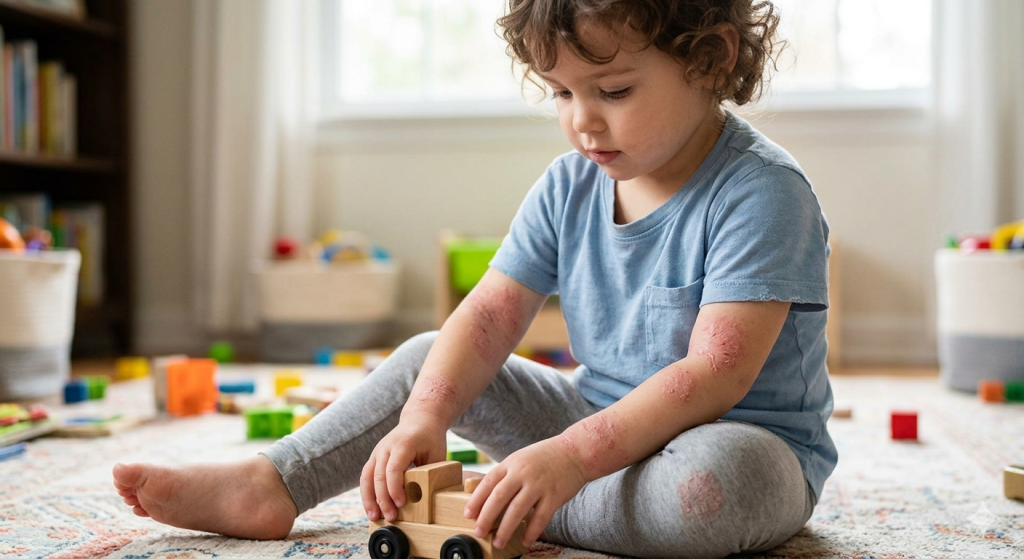
Childhood eczema is a common skin condition that affects millions of children worldwide. Also known as atopic dermatitis, eczema causes the skin to become dry, itchy, inflamed, and sensitive. While eczema is not contagious, it can be uncomfortable and frustrating for both children and parents, especially when flare-ups become frequent.
Eczema often begins during infancy or early childhood and may improve as children grow older. Understanding its causes, symptoms, and proper skin care can help parents manage the condition and improve their child’s comfort and quality of life.
What Is Childhood Eczema?
Eczema is a chronic inflammatory skin condition that weakens the skin’s natural protective barrier. This makes the skin more sensitive to irritants, allergens, and dryness. Children with eczema often experience periods of flare-ups followed by times when symptoms improve. Learn more
The condition can affect different parts of the body, including:
- Face and cheeks
- Hands and feet
- Elbows and knees
- Neck and scalp
- Behind the ears
Causes of Childhood Eczema
The exact cause of eczema is not fully understood, but experts believe it results from a combination of genetic and environmental factors.
Genetics
Children with a family history of eczema, asthma, or allergies are more likely to develop the condition.
Immune System Response
An overactive immune system may react strongly to certain triggers, leading to skin inflammation.
Skin Barrier Problems
Children with eczema often have skin that loses moisture easily, making it dry and vulnerable to irritants.
Common Triggers
Several factors can trigger or worsen eczema flare-ups, including:
- Dry weather
- Heat and sweating
- Harsh soaps and detergents
- Dust mites and pollen
- Pet dander
- Certain fabrics like wool
- Stress or emotional changes
- Food allergies in some children
Symptoms of Childhood Eczema
Symptoms may vary from child to child, but common signs include:
- Dry, rough skin
- Intense itching
- Red or inflamed patches
- Thickened or scaly skin
- Small bumps that may leak fluid
- Cracked or sensitive skin
- Difficulty sleeping due to itching
Scratching can worsen the condition and increase the risk of skin infections.
How Eczema Is Diagnosed
Doctors usually diagnose eczema through:
- Physical examination of the skin
- Review of symptoms and family history
- Identifying possible triggers
In some cases, allergy testing may be recommended if food or environmental allergies are suspected.
Relief Tips for Childhood Eczema
Although eczema has no permanent cure, proper skin care and trigger management can help control symptoms and reduce flare-ups.
Keep the Skin Moisturized
Moisturizing is one of the most important steps in eczema care. Thick creams or ointments help lock in moisture and protect the skin barrier.
Tips include:
- Apply moisturizer immediately after bathing
- Use fragrance-free products
- Moisturize several times daily if needed
Avoid Harsh Soaps and Chemicals
Choose mild, fragrance-free cleansers designed for sensitive skin. Avoid products with strong perfumes or alcohol that can dry out the skin.
Dress Children in Soft Fabrics
Cotton clothing is usually more comfortable for sensitive skin. Avoid rough fabrics like wool that may irritate eczema patches.
Keep Baths Short and Lukewarm
Long, hot baths can dry out the skin. Short lukewarm baths followed by moisturizing can help soothe eczema symptoms.
Prevent Scratching
Scratching increases irritation and may lead to infection. Parents can help by:
- Keeping children’s nails short
- Using soft gloves during sleep if necessary
- Distracting younger children during itching episodes
Identify and Avoid Triggers
Tracking flare-ups may help parents identify triggers such as foods, detergents, dust, or heat exposure.
Use Medications as Directed
Doctors may recommend:
- Topical steroid creams
- Anti-itch medications
- Antibiotics if infection develops
- Prescription creams for severe eczema
Parents should follow medical instructions carefully and avoid overusing steroid creams without guidance.
Support Healthy Lifestyle Habits
A healthy diet, good hydration, adequate sleep, and stress reduction may help support overall skin health and immune function.
When to See a Doctor
Parents should seek medical attention if:
- Eczema becomes severe or widespread
- Skin shows signs of infection
- Home treatments are not effective
- The child experiences significant sleep disturbance or discomfort
Early treatment can help prevent complications and improve symptom control.
Read: Understanding Tonsillitis in Children
Conclusion
Childhood eczema is a long-term skin condition that can significantly affect a child’s comfort and daily life. However, with proper skin care, trigger management, and medical support when necessary, most children can successfully manage their symptoms. Consistent moisturizing, gentle skin care habits, and early attention to flare-ups can help children enjoy healthier skin and a better quality of life.