How to Prevent Frequent Cold and Flu in Kids
Children are naturally more vulnerable to colds and flu because their immune systems are still developing. Since kids spend a lot of time in schools, playgrounds, and daycare centers, they are constantly exposed to germs that can easily spread from one child to another. While occasional colds are normal, frequent illnesses can affect a child’s growth, school attendance, sleep, and overall well-being. Fortunately, there are several practical ways parents can help strengthen their children’s immunity and reduce the risk of frequent cold and flu infections.
Understanding the Difference Between Cold and Flu
Although the common cold and flu share similar symptoms, they are caused by different viruses. A cold usually develops gradually and may include a runny nose, sneezing, mild cough, and sore throat. Flu symptoms are often more severe and may include high fever, body aches, fatigue, chills, and weakness. Both illnesses spread through respiratory droplets when an infected person coughs, sneezes, or touches surfaces. Learn more
Encourage Proper Hand Hygiene
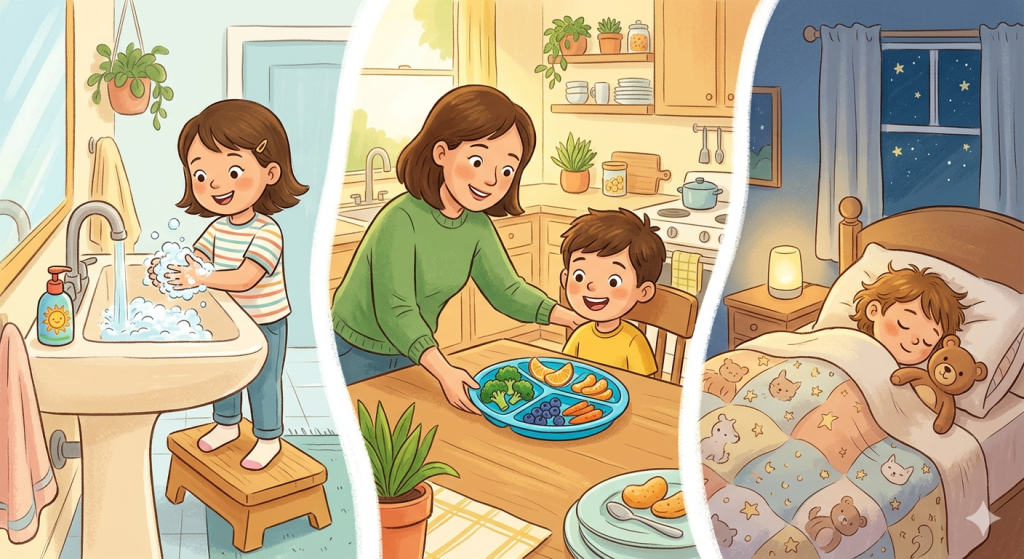
One of the most effective ways to prevent infections is teaching children proper handwashing habits. Kids should wash their hands regularly with soap and water for at least 20 seconds, especially:
- Before eating
- After using the toilet
- After coughing or sneezing
- After playing outside
- After touching shared objects
If soap and water are unavailable, alcohol-based hand sanitizers can help reduce germs.
Ensure Children Get Recommended Vaccinations
Vaccines play a major role in protecting children from serious illnesses. Annual flu vaccinations can reduce the chances of getting influenza and lower the severity of symptoms if infection occurs. Parents should also ensure their children receive all routine childhood immunizations according to medical recommendations.
Provide a Healthy and Balanced Diet
A nutritious diet supports a stronger immune system. Children should eat foods rich in vitamins, minerals, and antioxidants, including:
- Fruits such as oranges, apples, and berries
- Vegetables like carrots, spinach, and broccoli
- Protein-rich foods such as eggs, fish, beans, and chicken
- Whole grains and healthy fats
Vitamin C, zinc, and iron are especially important for immune health.
Encourage Regular Physical Activity
Exercise helps improve blood circulation and immune function. Encourage children to stay active through outdoor play, sports, dancing, cycling, or simple physical activities at home. Regular movement also helps reduce stress and improves sleep quality.
Make Sure Kids Get Enough Sleep
Sleep is essential for the body to repair and strengthen the immune system. Lack of sleep can make children more prone to infections. Recommended sleep durations vary by age, but school-aged children generally need about 9–12 hours of sleep each night.
Parents can support healthy sleep by:
- Maintaining a consistent bedtime
- Limiting screen time before bed
- Creating a calm sleeping environment
Teach Respiratory Hygiene
Children should learn to cover their mouths and noses with a tissue or elbow when coughing or sneezing. Used tissues should be disposed of properly, followed by handwashing. This simple habit helps prevent the spread of viruses to others.
Keep Frequently Touched Surfaces Clean
Viruses can survive on surfaces like toys, doorknobs, tables, phones, and remote controls. Regular cleaning and disinfecting of commonly touched objects can help reduce exposure to germs at home.
Avoid Exposure to Sick Individuals
When possible, children should avoid close contact with people who are sick. Parents should also keep children at home when they are ill to prevent spreading infections to classmates and friends. Learn more
Keep Kids Hydrated
Proper hydration helps the body function effectively and supports recovery from minor illnesses. Encourage children to drink enough water throughout the day. Warm fluids like soups can also help soothe cold symptoms.
Reduce Exposure to Smoke and Pollutants
Secondhand smoke and air pollution can irritate the respiratory system and weaken a child’s defense against infections. Maintaining a smoke-free environment is important for respiratory health.
When to See a Doctor
Parents should seek medical attention if a child experiences:
- Difficulty breathing
- Persistent high fever
- Severe weakness or dehydration
- Symptoms lasting longer than expected
- Chest pain or worsening cough
Early medical care can help prevent complications.
Read: Pelvic Infections During Pregnancy: Risks, Signs, and How to Protect Your Pregnancy
Conclusion
Frequent colds and flu can be frustrating for both children and parents, but many infections can be prevented through healthy habits and proper hygiene. Encouraging handwashing, healthy eating, vaccinations, regular sleep, and physical activity can significantly strengthen a child’s immune system. By creating a healthy environment and teaching preventive habits early, parents can help children stay active, healthy, and better protected against common illnesses.