Interstitial Cystitis: A Painful Pelvic Bladder Condition Explained
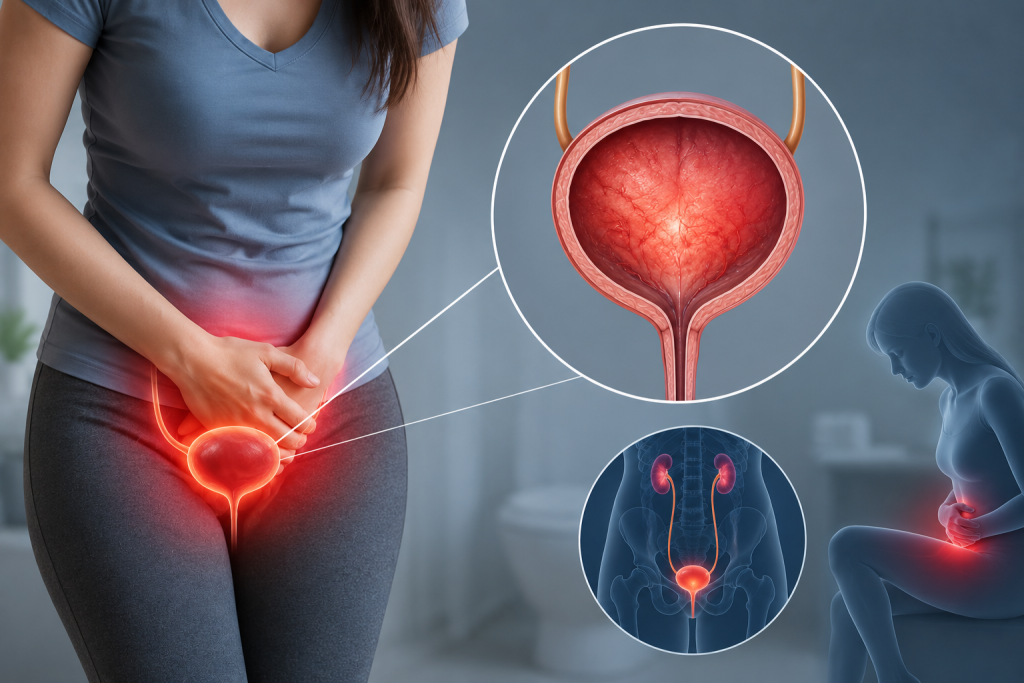
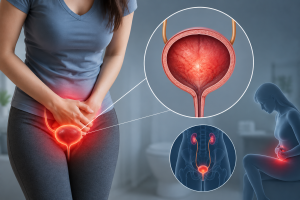
Interstitial cystitis (IC), also known as painful bladder syndrome, is a chronic condition that causes bladder pressure, pelvic pain, and frequent discomfort in the urinary system. Unlike a typical urinary tract infection (UTI), interstitial cystitis is not caused by bacteria and often does not respond to antibiotics. The condition can greatly affect daily activities, sleep, emotional well-being, and overall quality of life.
Although interstitial cystitis can affect both men and women, it is more commonly diagnosed in women. Because its symptoms often resemble other urinary or pelvic disorders, many people live with the condition for years before receiving an accurate diagnosis.
What Is Interstitial Cystitis?
Interstitial cystitis is a long-term bladder condition characterized by inflammation, irritation, or pain in the bladder and surrounding pelvic region. The exact cause remains unknown, but experts believe it may involve damage to the bladder lining, nerve dysfunction, autoimmune reactions, chronic inflammation, or pelvic floor muscle problems.
In people with IC, the bladder becomes highly sensitive, causing pain even when the bladder contains small amounts of urine.
Common Symptoms of Interstitial Cystitis
Symptoms vary from person to person and may range from mild discomfort to severe pain. Some individuals experience symptom flare-ups that come and go over time.
Common symptoms include:
- Persistent pelvic pain or pressure
- Pain in the bladder region
- Frequent urination during the day and night
- Sudden and urgent need to urinate
- Pain during sexual intercourse
- Burning or discomfort while the bladder fills
- Temporary relief after urination
Symptoms may worsen during stress, menstruation, certain foods, or physical activity. Learn more
Causes and Risk Factors
The exact cause of interstitial cystitis is not fully understood, but several factors may contribute to its development.
Possible causes and risk factors include:
- Defects in the bladder lining
- Chronic inflammation
- Pelvic floor dysfunction
- Nerve sensitivity disorders
- Autoimmune conditions
- Previous bladder infections
- Family history of chronic pain disorders
- Stress and emotional factors
Women over the age of 30 are more commonly affected, although the condition can occur at any age.
How Interstitial Cystitis Affects Pelvic Health
Interstitial cystitis can have a major impact on pelvic health due to constant bladder irritation and chronic pain. The ongoing discomfort may lead to muscle tension in the pelvic floor, causing additional pain and urinary difficulties.
Many individuals with IC also experience emotional stress, anxiety, fatigue, and reduced quality of life because of disrupted sleep and frequent bathroom visits. In severe cases, social activities, work performance, and intimate relationships may also be affected.
Chronic pelvic pain associated with interstitial cystitis can sometimes overlap with other pelvic conditions such as endometriosis, irritable bowel syndrome, or pelvic floor dysfunction.
Diagnosis of Interstitial Cystitis
Diagnosing interstitial cystitis can be difficult because its symptoms resemble those of other urinary conditions. Healthcare providers usually perform several tests to rule out infections and other bladder disorders.
Diagnosis may include:
- Medical history review
- Physical and pelvic examination
- Urine tests
- Bladder diary tracking urination patterns
- Cystoscopy to examine the bladder
- Imaging tests when necessary
There is currently no single test that definitively confirms IC.
Treatment Options for Interstitial Cystitis
Although there is no permanent cure for interstitial cystitis, many treatments can help control symptoms and improve comfort.
Lifestyle and Dietary Changes
Certain foods and beverages may irritate the bladder. Reducing intake of caffeine, alcohol, spicy foods, acidic fruits, and carbonated drinks may help reduce flare-ups.
Bladder Training
Bladder training techniques can help gradually reduce urinary frequency and improve bladder control.
Physical Therapy
Pelvic floor physical therapy may relieve muscle tension and improve pelvic function.
Medications
Doctors may prescribe pain relievers, anti-inflammatory medications, antihistamines, or bladder-protective medications to reduce discomfort.
Stress Management
Stress can worsen symptoms, so relaxation techniques, meditation, exercise, and adequate sleep may help improve symptom control.
Advanced Treatments
In severe cases, bladder instillations, nerve stimulation therapy, or surgery may be considered.
Living With Interstitial Cystitis
Managing interstitial cystitis often requires long-term lifestyle adjustments and ongoing medical care. Keeping a symptom diary can help identify triggers and improve treatment strategies.
Support from healthcare providers, family, and support groups can also make coping with the condition easier. Early treatment and proper symptom management can help individuals maintain a more active and comfortable life.
Read: Understanding Adenomyosis and Its Impact on Pelvic Health
Conclusion
Interstitial cystitis is a chronic and painful pelvic bladder condition that can significantly affect physical comfort, emotional well-being, and daily activities. Understanding the symptoms, causes, and treatment options is essential for early diagnosis and better symptom management.
With proper medical care, lifestyle changes, and pelvic health support, many individuals living with interstitial cystitis can successfully manage their symptoms and improve their quality of life.